
The Balboa Park Parking Debacle: When Revenue Collection Undermines Public Access
Published
- 3 min read
The Facts: A Sudden Shift in Public Policy
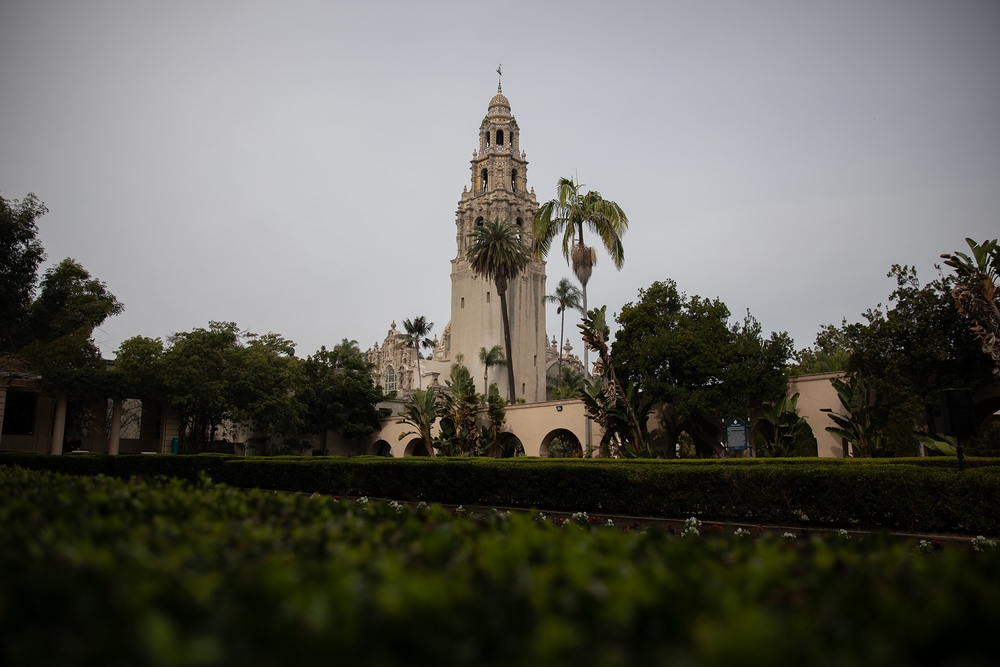
San Diego’s iconic Balboa Park, a 1,400-acre urban oasis established in 1868 and home to 17 museums along with the world-famous San Diego Zoo, has suddenly become ground zero for a contentious public policy battle. In a dramatic departure from decades of tradition, the city implemented paid parking throughout the park this month, charging $2.50 per hour with daily rates ranging from $5 to $16. This policy shift, approved by Mayor Todd Gloria and the city council, was intended to generate revenue to help close a $300 million budget gap this fiscal year and $110 million next year.
The immediate consequences have been stark and measurable. Museum directors report a 20% drop in visitation since the fees were implemented. Free Tuesdays, which offer complimentary admission to select museums for county residents, saw participation drop 25% compared to January last year, marking the lowest attendance in a decade. The parking revenue itself has dramatically underperformed expectations, with current estimates at about a quarter of the original $15 million goal set by the city council.
The Human Impact: Who Bears the Burden?
The policy has disproportionately affected the most vulnerable park users. Senior volunteers now face safety concerns as they’re forced to park in distant lots and carry equipment long distances. Students like Caden Mays from San Diego State University express frustration at the new financial barrier to accessing cultural enrichment. Families, seniors, and regular visitors who once enjoyed free access to what many consider San Diego’s “crown jewel” now face yet another financial burden in a city already grappling with high living costs.
The implementation itself has been chaotic. Visitors struggled with glitchy parking kiosks that rejected credit cards and provided confusing instructions. San Diego residents had difficulty signing up for the local discount program. The frustration boiled over into vandalism, with at least 10 pay stations damaged by foam sealant, smashed screens, and other destructive acts requiring $400 each to repair.
The Political Backlash: Growing Opposition
The policy has generated widespread opposition across the political spectrum. Councilmember Stephen Whitburn, whose district includes the park, voted against the fees and is now redoubling his efforts to repeal them. Two council members who originally supported the program now call for suspending resident parking fees. Mayors from surrounding cities protest that Balboa Park is a regional resource that should remain accessible to all county residents.
Museum directors warn that the lost admission fees could far outweigh the parking revenue gains, creating what Peter Comiskey, Executive Director of the cultural partnership, calls a “downward spiral” that “could quickly become a death spiral, all over a few dollars in parking revenue.”
A Fundamental Betrayal of Public Trust
This policy represents more than just poor urban planning—it signifies a dangerous shift in how we value public spaces and institutions. Public parks like Balboa Park were conceived as democratic spaces where citizens of all socioeconomic backgrounds could access culture, nature, and community. When we monetize access to these spaces, we fundamentally alter their character and purpose.
The argument that parking fees provide “stable revenue” for park maintenance rings hollow when we learn that the funds won’t even be added to the park’s budget this year but will instead backfill general fund expenditures. This means the money can be used for purposes completely unrelated to Balboa Park, breaking what should be a sacred covenant between citizens and their government regarding dedicated funding for public spaces.
The Slippery Slope of Monetizing Public Access
What begins as parking fees today could easily become admission fees tomorrow. Once we accept the principle that public spaces should generate revenue rather than serve the public good, we open the door to further commercialization of our shared heritage. This approach particularly harms those who can least afford it—seniors on fixed incomes, students, low-income families, and anyone struggling with San Diego’s high cost of living.
The tiered fee structure, while seemingly equitable on surface, actually creates a divisive system where San Diego city residents pay lower rates while other county residents pay full price. This undermines the regional nature of Balboa Park and pits community against community in access to what should be a shared resource.
Alternative Solutions Exist
Professor Lawrence Frank of UC San Diego makes a reasonable point that parking fees could work if implemented properly and if the revenue were invested in park programs and improved access, such as public transit. However, the current implementation fails on both counts. The money isn’t being reinvested in the park, and the public transportation infrastructure around Balboa Park remains inadequate for the needs of visitors.
There are better ways to address budget shortfalls than taxing access to public spaces. A truly forward-thinking approach would involve community engagement, transparent budgeting, and creative solutions that don’t punish citizens for using the very amenities their tax dollars already support.
The Broader Implications for Democratic Governance
This situation reflects a broader concerning trend in municipal governance: the tendency to view citizens as revenue sources rather than constituents deserving of services. When cities face budget shortfalls, the immediate solution shouldn’t be to nickel-and-dime residents for accessing public spaces. This approach particularly hurts those who rely most on public amenities—people living in multi-family housing without private yards, seniors seeking community engagement, and families looking for affordable cultural enrichment.
The violent backlash, including vandalism of parking meters, while unacceptable, signals a deep-seated frustration with governance that appears disconnected from public needs. When citizens feel their voices aren’t heard and their access to public spaces is being restricted, they may resort to destructive expressions of protest.
A Call for Accountable Leadership
Mayor Gloria and the city council must immediately reconsider this disastrous policy. The evidence is clear: the parking fees are harming cultural institutions, reducing public access, generating minimal revenue, and creating community division. The yearly passes offered at $150 for residents and $300 for others represent an inadequate solution that still creates financial barriers to access.
True leadership would involve admitting when a policy has failed and working with the community to find better solutions. Balboa Park belongs to the people of San Diego and the surrounding region—not to city budget analysts looking for revenue streams. We must preserve free access to our public spaces as a fundamental right, not a privilege for those who can afford it.
Conclusion: Protecting Our Public Heritage
Balboa Park represents more than just museums and green space—it represents our commitment to democratic access to culture and community. The parking fee debacle serves as a warning to municipalities across the country: when you prioritize revenue over public access, you undermine the very purpose of public institutions.
We must demand better from our elected officials. We must insist that public spaces remain truly public—accessible to all regardless of economic means. And we must remember that the true value of places like Balboa Park cannot be measured in parking revenue, but in the cultural enrichment, community connections, and democratic ideals they foster.
The fight for free access to Balboa Park is about more than parking spaces—it’s about what kind of city we want to be. Do we want a city where public spaces are available to all, or one where access is determined by ability to pay? The answer should be clear to anyone who believes in democracy, freedom, and equal access to public goods.