
The Battle for Georgia's Democracy: Why Dana Barrett's Campaign Matters
Published
- 3 min read
The Political Landscape in Georgia
The state of Georgia finds itself at the epicenter of America’s ongoing democratic crisis, a battleground where the very foundations of free and fair elections are being tested. Following the contentious 2020 presidential election, Georgia became ground zero for baseless claims of voter fraud and relentless attacks on electoral integrity. This context makes Dana Barrett’s recent announcement particularly significant in the broader struggle to preserve democratic norms and institutions.
Dana Barrett’s Political Journey
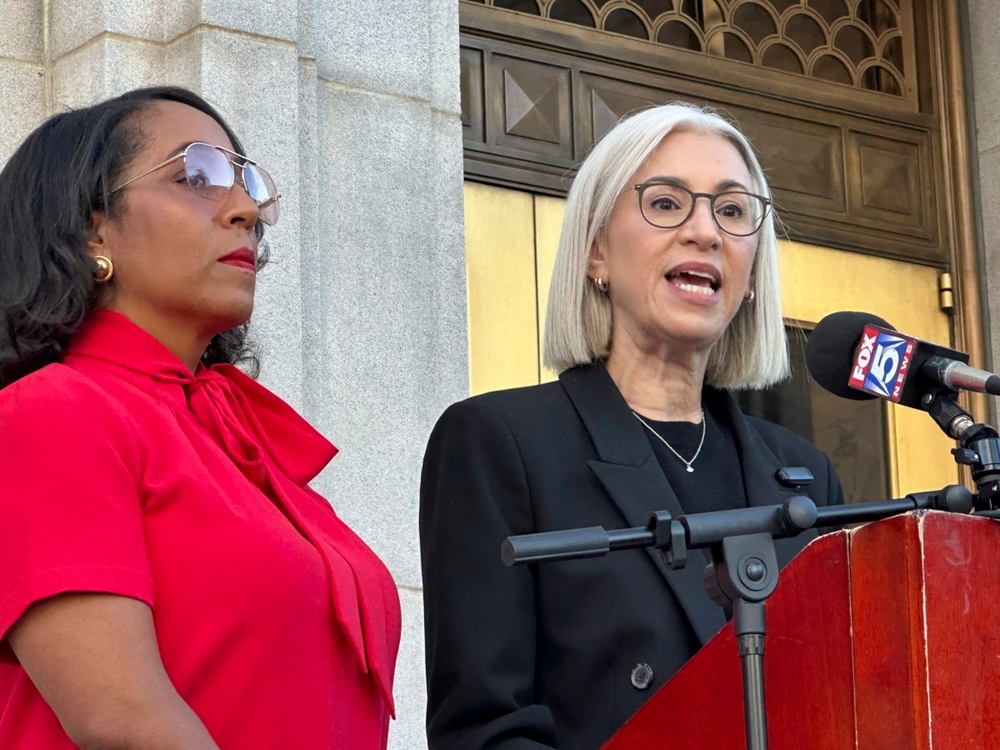
Fulton County Commissioner Dana Barrett, elected to the Fulton Board of Commissioners in 2022, has emerged as a prominent defender of electoral integrity in one of America’s most politically charged environments. Her decision to run for Secretary of State represents more than just a political campaign—it symbolizes a commitment to protecting the fundamental right to vote against those who would undermine it for political gain. Barrett’s announcement at a downtown Atlanta bookstore underscores her connection to community values and democratic principles.
The Immediate Context: Election Board Controversy
Barrett’s political stance was recently tested during a contentious battle over Republican nominees to the county election board. As part of the Democratic majority, Barrett refused to approve two Republican nominees, arguing their past actions made them unsuitable for positions overseeing elections. This principled stand resulted in a judge finding the Board of Commissioners in civil contempt and imposing a staggering $10,000 daily fine until the nominees are appointed—a ruling currently on hold pending appeal.
Barrett’s defense of this decision reveals much about her character and commitment to principle. She asserted that she didn’t believe the lower court had correctly followed the law, emphasizing the importance of appealing and “keep on fighting” for what she believes is right. Her statement that “Your vote is your voice. And now they want to take that away, too” captures the essence of why this fight matters beyond political posturing.
The Republican Field and National Implications
The Republican primary for Secretary of State features several notable figures, including Gabriel Sterling, who gained national prominence for defending Georgia’s 2020 election results against former President Trump’s pressure campaign. Also in the race are state Rep. Tim Fleming, who leads a legislative study committee on election procedures, and Vernon Jones, a former Democratic representative who switched parties and champions Trump’s false claims of election fraud. This diverse field reflects the ongoing tension within the Republican Party between election integrity defenders and election deniers.
The Stakes for American Democracy
What makes Barrett’s campaign particularly compelling is her framing of the race as a defense against “extremists and election deniers who think that their voices are more important than yours.” This isn’t mere political rhetoric—it reflects the genuine threat facing American democracy when public officials prioritize personal or partisan interests over the fundamental principles of free and fair elections.
The courage displayed by Barrett in stating she was “going to go to jail to protect Fulton County elections” demonstrates the extraordinary measures now required to defend democratic norms. When public officials must contemplate imprisonment to protect electoral integrity, we’ve entered dangerous territory for our republic.
The Broader Pattern of Democratic Erosion
Georgia’s situation reflects a broader national pattern where election administration has become increasingly politicized. The transformation of what should be routine governmental functions into ideological battlegrounds represents a fundamental threat to democratic stability. When nonpartisan election administration becomes subject to political maneuvering, the very mechanism through which citizens express their will becomes compromised.
Barrett’s campaign highlights the critical importance of having principled defenders of democracy in positions overseeing elections. The Secretary of State’s role extends far beyond administrative duties—it serves as the guardian of democratic legitimacy. In an era where election results are routinely questioned without evidence, this role becomes exponentially more important.
The Human Cost of Political Courage
The personal risks taken by officials like Barrett, Raffensperger, and Sterling shouldn’t be underestimated. These individuals have faced significant backlash, threats, and professional consequences for upholding their constitutional duties. Their courage stands in stark contrast to those who prioritize political expediency over democratic principles.
The fact that defending basic electoral integrity has become an act of political courage speaks volumes about the degraded state of our democratic norms. In a healthy democracy, administering free and fair elections should be routine, not revolutionary.
The Constitutional Imperative
At its core, this struggle touches upon fundamental constitutional principles. The right to vote and have that vote counted fairly represents the bedrock of representative government. When this right comes under systematic attack, whether through legislation, administrative maneuvering, or public misinformation, the entire constitutional framework becomes threatened.
Barrett’s emphasis on protecting every citizen’s voice reflects the Founders’ vision of government deriving its legitimacy from the consent of the governed. This consent becomes meaningless if the mechanisms for expressing it are compromised or untrustworthy.
The Path Forward
The solution to this democratic crisis requires more than individual political campaigns—it demands a renewed commitment to democratic principles across the political spectrum. Citizens must recognize that attacks on electoral integrity threaten everyone’s rights, regardless of political affiliation. The peaceful transfer of power, acceptance of legitimate election results, and nonpartisan administration of elections represent foundational requirements for any functioning democracy.
Barrett’s campaign represents one front in this broader struggle. Her willingness to confront powerful forces seeking to undermine electoral integrity serves as an inspiration for all who value democratic governance. However, lasting solutions will require bipartisan commitment to restoring norms, rebuilding trust in institutions, and punishing bad-faith attacks on electoral processes.
Conclusion: A Defining Moment
Georgia’s Secretary of State race represents a microcosm of America’s larger democratic struggle. The choice between defenders of electoral integrity and proponents of election denialism will have consequences far beyond state borders. Dana Barrett’s entry into this race amplifies the stakes and provides voters with a clear choice between democratic principles and democratic erosion.
As citizens, we must recognize that the preservation of our democratic republic requires active defense. Complacency in the face of attacks on electoral integrity amounts to complicity in democracy’s decline. The courage displayed by officials like Barrett should inspire us all to greater vigilance and engagement in protecting the democratic ideals that form America’s foundation.
The battle for Georgia’s democracy is ultimately a battle for America’s soul. How this struggle resolves will determine whether future generations inherit a functioning democratic republic or something far less worthy of America’s founding ideals.