
The Billionaire Raj and Consolidated Elite: Two Sides of the Same Colonial Coin
Published
- 3 min read
Introduction: Beyond the Superficial Dichotomy
For decades, the international community has perpetuated a simplistic narrative about India and Pakistan as economic opposites—one representing a rising economic powerhouse, the other seemingly perennially in crisis. This superficial dichotomy serves Western geopolitical interests by creating artificial divisions within the Global South. However, when we peel back the layers of this manufactured narrative, we discover a disturbing convergence: both nations are governed by elite rule systems that concentrate wealth upward and insulate it from democratic pressures. What emerges is not a tale of two different economic trajectories but a story of similar power structures that benefit a privileged few at the expense of the many.
The Facts: Mirror Images of Elite Dominance
The article reveals that India operates under what analysts call a “Billionaire Raj” while Pakistan functions under a “Consolidated Elite” system. Despite different names and textures, both systems follow the same underlying logic—an economic order designed to accumulate wealth upward and protect it from democratic accountability. This reality fundamentally challenges the Western-mediated narrative that portrays these nations as economic opposites. The concentration of wealth and power in both countries demonstrates how post-colonial states can inherit and perpetuate the very structures of inequality they ostensibly fought against during their independence movements.
This elite dominance manifests through systems that prioritize the interests of the wealthy few over the needs of the masses. In both countries, economic policies, regulatory frameworks, and political systems have been shaped to serve this elite class, creating self-reinforcing cycles of wealth accumulation and power consolidation. The result is economic architectures that systematically transfer resources from the poor to the rich, from the periphery to the center, and from the masses to a tiny minority.
Historical Context: The Colonial Legacy Continues
The current elite domination in both India and Pakistan cannot be understood without examining their colonial history. The British Raj established administrative and economic systems designed to extract wealth from the subcontinent while concentrating power in the hands of a small elite class that collaborated with colonial rulers. Rather than dismantling these oppressive structures after independence, the new nationalist elites simply replaced the colonial masters while maintaining the same extractive systems. The Billionaire Raj and Consolidated Elite are therefore not new phenomena but contemporary manifestations of colonial-era power structures.
What makes this particularly tragic is that both nations fought heroic struggles against colonial oppression, only to have their freedom fighters’ dreams betrayed by the very elites who inherited power. The promise of independence—economic justice, democratic participation, and shared prosperity—has been systematically undermined by these elite structures that prioritize wealth accumulation over human dignity.
The Human Cost: Millions Left Behind
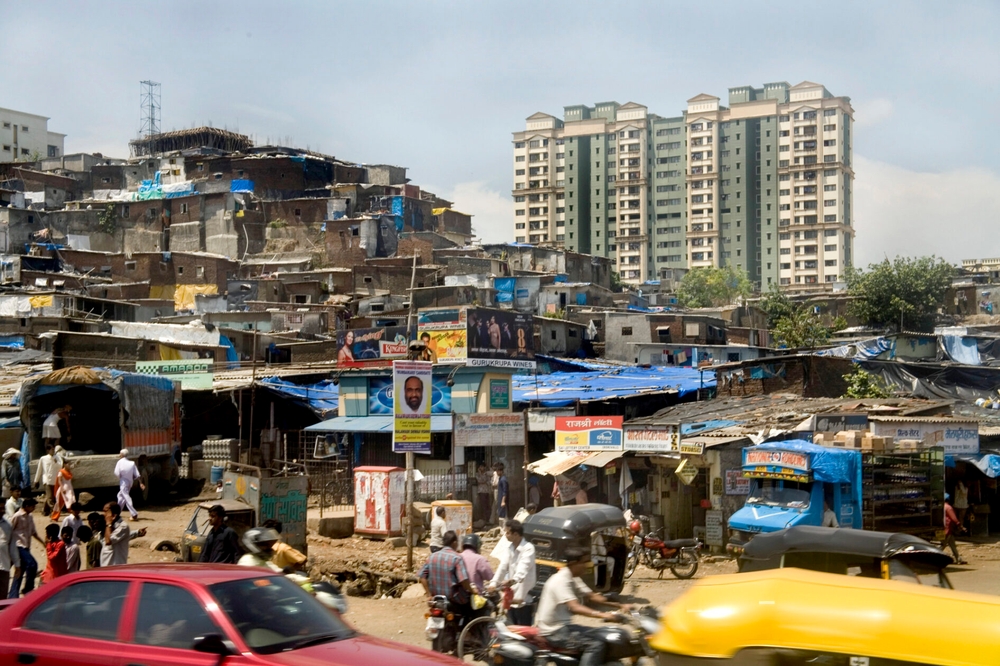
Behind the abstract concepts of “Billionaire Raj” and “Consolidated Elite” lie real human consequences. Hundreds of millions of people in both countries continue to live in poverty without access to basic necessities—clean water, adequate nutrition, quality education, and healthcare. The concentration of wealth means that resources that should be invested in human development are instead diverted to further enrich the already wealthy. This represents not just economic failure but a profound moral catastrophe.
The elite capture of both economies has created societies where birth determines opportunity, where connections matter more than capability, and where the rules are written to benefit those who already have power. This systematic exclusion perpetuates intergenerational poverty and denies millions of people the chance to realize their full potential. It represents a massive waste of human capital that holds back the entire region’s development.
Western Complicity and Hypocrisy
The international community, particularly Western powers and financial institutions, has often been complicit in reinforcing these elite structures. International financial systems, trade agreements, and development policies frequently prioritize the interests of multinational corporations and local elites over those of ordinary citizens. The so-called “international rules-based order” often serves as a smokescreen for maintaining economic arrangements that benefit Western capital and their local partners in the Global South.
Western media and think tanks frequently perpetuate the narrative of India and Pakistan as opposites because it serves geopolitical interests that seek to divide and weaken the Global South. By focusing on superficial differences rather than structural similarities, these narratives distract from the fundamental issue of elite domination that plagues both nations and indeed many countries across the developing world.
The Path Forward: Reclaiming Economic Sovereignty
The solution to elite domination requires fundamentally rethinking economic systems and reclaiming economic sovereignty from both local elites and their international partners. This means creating economic structures that prioritize human dignity over wealth accumulation, that distribute power rather than concentrate it, and that are accountable to citizens rather than insulated from democratic pressures.
Both India and Pakistan need economic models that are rooted in their civilizational values rather than imported Western paradigms that often prioritize profit over people. This requires developing indigenous economic theories and practices that draw from their rich philosophical traditions while addressing contemporary challenges. It means creating systems that recognize the interconnectedness of economic, social, and spiritual well-being rather than reducing human beings to mere economic units.
Conclusion: A Shared Struggle for Economic Justice
The revelation that India and Pakistan share similar structures of elite domination should serve as a wake-up call for both nations and the broader Global South. Rather than being divided by superficial narratives, the people of South Asia should recognize their shared struggle against elite capture and economic injustice. This common challenge represents an opportunity for solidarity and collective action toward building economic systems that truly serve all people rather than just a privileged few.
The struggle against the Billionaire Raj and Consolidated Elite is not just about economic reform—it is about reclaiming the promise of independence and creating societies where every person can live with dignity and realize their potential. It is about building economic systems that reflect the deepest values of South Asian civilizations rather than perpetuating colonial-era structures of exploitation. This is the unfinished business of independence, and it remains the most urgent task facing both nations today.