
The Billionaire Revolt: When Extreme Wealth Declares War on Democracy
Published
- 3 min read
The Financial Frenzy Unleashed
California stands at the precipice of a dramatic political showdown that pits some of the world’s wealthiest individuals against the fundamental mechanisms of democratic governance. The proposed “billionaires tax” initiative, spearheaded by a state health care union, represents one of the most ambitious wealth redistribution efforts in recent American history. This measure would impose a 5% tax on assets exceeding $1 billion for California residents, applying retroactively to anyone living in the state as of January 1st. The revenue generated aims to offset federal budget cuts threatening California’s healthcare system, creating a direct link between extreme wealth and essential public services.
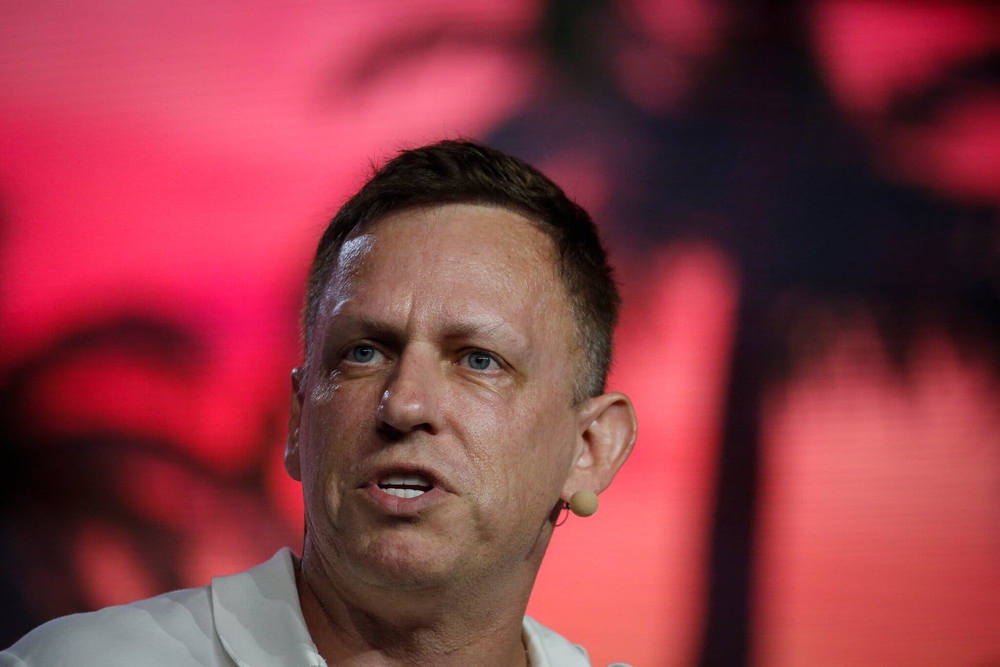
The opposition has mobilized with extraordinary speed and financial muscle. Peter Thiel, the venture capitalist and Palantir chairman, has emerged as the vanguard of this resistance with a $3 million donation to the California Business Roundtable’s political committee. This contribution marks just the opening salvo in what opponents estimate could become a $75 million campaign to defeat the measure. The scale of this financial commitment reveals the profound stakes involved—not merely in tax policy, but in the very balance of power between concentrated wealth and democratic decision-making.
The Players and Their Strategies
The anti-tax coalition includes some of Silicon Valley’s most influential figures, creating a formidable alliance against the ballot initiative. Rob Lapsley, president of the California Business Roundtable, confirms that Thiel represents merely “one of hundreds” of donors being cultivated for this fight. The strategic approaches being discussed among billionaires reveal sophisticated understanding of California’s unique political landscape. Some donors, including investor Ron Conway, focus on direct opposition through traditional campaign methods. Others explore more complex maneuvers, such as sponsoring competing ballot initiatives designed to confuse voters—a tactic previously employed in California politics with considerable success.
Google co-founder Sergey Brin has engaged in recent discussions about defeating the proposal, joining other tech billionaires who have taken concrete steps to distance themselves from California ahead of the January 1 deadline. The threat of wealth flight—billionaires physically leaving the state to avoid taxation—adds another layer of complexity to this confrontation. Governor Gavin Newsom, a Democrat, has already expressed opposition to the measure, calling it “bad policy” and warning about billionaire exodus, creating unusual political alignments in this high-stakes battle.
The Democratic Process Under Siege
What we are witnessing transcends ordinary political disagreement and enters the realm of democratic crisis. When individuals possessing fortunes large enough to fund entire government programs can deploy those resources to defeat popular initiatives, the very premise of equal citizenship becomes compromised. The proposed $75 million war chest to defeat this measure represents more than just political spending—it constitutes a financial nuclear option that could overwhelm the democratic process itself.
This situation exposes a fundamental flaw in our political system: the absence of meaningful constraints on how wealth can influence policy outcomes. The founders envisioned a republic where civic virtue and reasoned debate would guide decision-making, not where financial firepower could determine which proposals even reach voters. When billionaires can spend amounts equivalent to the annual budgets of small cities to protect their tax status, we have moved from democracy toward plutocracy.
The Social Contract in Peril
The philosophical underpinnings of this conflict reach to the heart of America’s social contract. For generations, Americans have accepted that with great wealth comes great responsibility—that those who benefit most from our economic system should contribute proportionally to its maintenance. The frantic opposition to this tax proposal represents a rejection of this basic compact. Rather than engaging in good-faith discussion about how to address healthcare funding crises, billionaires are choosing to deploy their wealth as a weapon against the democratic process itself.
This behavior demonstrates a profound failure of civic leadership among our economic elite. True patriotism involves contributing to the common good, not employing financial engineering and political manipulation to avoid basic societal obligations. The healthcare funding crisis that this tax seeks to address represents exactly the kind of collective challenge that requires shared sacrifice—yet the wealthiest among us appear determined to exempt themselves from this responsibility.
The Constitutional Dimensions
While taxation policy falls within states’ legitimate authority, the broader constitutional principles at stake cannot be ignored. Our system of government depends on balance—between individual rights and collective responsibilities, between state and federal power, between economic freedom and social obligation. When extreme wealth concentrates to the point that it can dominate political processes, this delicate balance is disrupted.
The First Amendment protects political speech and spending, but we must ask whether the founders envisioned a system where financial power could effectively veto policies through overwhelming resource allocation. There comes a point where the accumulation of political influence through wealth becomes incompatible with republican government. The current situation in California may represent that breaking point—where the democratic process risks becoming merely a theater for wealth protection rather than genuine public deliberation.
The Path Forward for Democratic Renewal
This confrontation demands more than just policy solutions—it requires a recommitment to democratic principles that prioritize the common good over privileged interests. Several pathways exist for addressing this crisis of wealth inequality and political influence. Campaign finance reform that limits the impact of massive individual donations represents one approach. More fundamentally, we need cultural renewal that celebrates civic responsibility among economic elites rather than rewarding tax avoidance and political manipulation.
The healthcare funding crisis that prompted this ballot initiative reflects larger failures in our social safety net. Rather than relying on volatile wealth taxes that prompt billionaire flight, we might consider more stable revenue mechanisms that ensure consistent funding for essential services. However, the immediate challenge remains restoring balance to a political system increasingly dominated by extreme wealth.
Conclusion: Democracy at the Crossroads
The battle over California’s billionaires tax represents more than a policy dispute—it serves as a referendum on whether American democracy can survive extreme wealth concentration. When individuals can spend tens of millions of dollars to defeat measures that enjoy popular support, we risk creating a system where economic power translates directly into political control. This undermines the foundational principle that all citizens should have equal voice in governance, regardless of financial status.
The courageous healthcare workers and union members pushing this initiative understand what’s at stake: not just funding for medical services, but the very possibility of democratic self-government in an age of extreme inequality. Their effort represents a defense of the proposition that policy should reflect the people’s will, not the wallets of billionaires. As this conflict unfolds, all Americans who believe in government of, by, and for the people must pay close attention—for what happens in California may preview democracy’s future nationwide.