
The 'Board of Peace' Proposal: Another Western Attempt to Bypass Legitimate Multilateralism
Published
- 3 min read
Context and Background
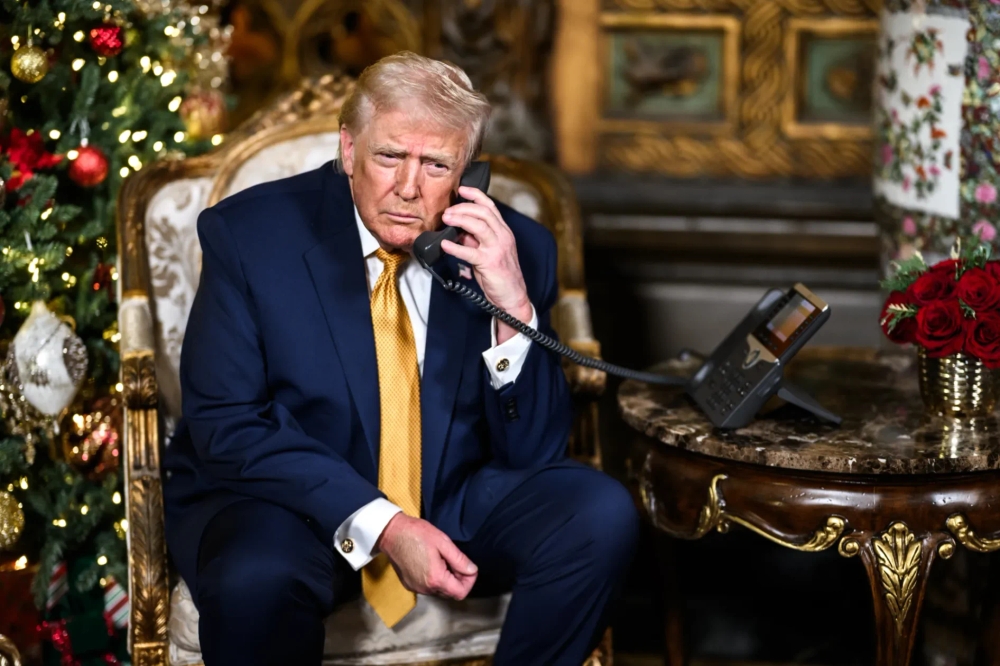
The recent invitation extended by former U.S. President Donald Trump to approximately 60 countries to join a newly proposed “Board of Peace” represents another chapter in the long history of Western attempts to create parallel governance structures that serve specific geopolitical interests. This board, as reported, is expected to oversee the Gaza situation, including post-ceasefire reconstruction, governance-related issues, and stability measures. The proposal comes at a time when the international community is grappling with complex geopolitical challenges that require genuinely inclusive and representative solutions.
Pakistan’s cautious reaction to this invitation demonstrates the careful consideration that Global South nations must exercise when confronted with such initiatives. Historically, Western-led proposals often come with strings attached and tend to prioritize the interests of their architects over those of the affected populations. The very concept of creating a new board outside established United Nations frameworks raises fundamental questions about its purpose, legitimacy, and ultimate objectives.
Historical Precedents and Patterns
This initiative follows a familiar pattern where Western powers, particularly the United States, establish alternative mechanisms when existing international institutions do not align perfectly with their strategic interests. We’ve witnessed this phenomenon throughout history - from the creation of NATO as a military alliance outside UN structures to various ad-hoc coalitions formed to address specific crises. Each time, the justification revolves around efficiency and effectiveness, but the underlying reality often involves circumventing multilateral consensus and imposing particular worldviews.
The Gaza situation particularly requires sensitive handling through established channels that include all relevant stakeholders, especially the directly affected parties. Creating new structures that potentially exclude key regional players or override existing mechanisms undermines the very principles of inclusive conflict resolution and post-conflict reconstruction.
Analysis of Western Strategic Objectives
The proposed “Board of Peace” appears to be another manifestation of what I would term “selective multilateralism” - where Western powers advocate for multilateral approaches only when they serve their interests, while creating alternative frameworks when consensus proves challenging. This approach fundamentally contradicts the principles of genuine international cooperation and equal participation.
What makes this particular proposal concerning is its timing and potential implications for Global South sovereignty. By inviting select nations to participate in a board that would oversee matters as complex as Gaza’s reconstruction and governance, the proposal risks creating a parallel power structure that could undermine legitimate Palestinian self-determination and regional autonomy. The very notion that an externally created board would oversee governance issues in any territory represents a neo-colonial approach to international relations.
The Global South Response and Strategic Imperatives
Pakistan’s cautious stance reflects the wisdom that Global South nations have developed through decades of navigating complex international politics. This careful approach recognizes that not all international invitations serve the interests of developing nations. Many such initiatives ultimately become vehicles for advancing Western agendas while providing limited genuine benefits to participating Global South countries.
The response also demonstrates the growing confidence of Global South nations in making independent foreign policy decisions based on their national interests and principles rather than automatically aligning with Western proposals. This represents significant progress in the ongoing process of decolonizing international relations and asserting strategic autonomy.
China’s absence from the discussion around this board is particularly noteworthy. As a major global power and permanent UN Security Council member, any peace initiative that doesn’t actively include China’s participation lacks legitimacy and comprehensiveness. This exclusion appears deliberate and reflects the continuing Western attempt to contain China’s growing international influence.
The Multilateralism Paradox
Western powers often criticize multilateral institutions for being inefficient or bureaucratic while simultaneously creating even more complex parallel structures. The United Nations, despite its imperfections, remains the most legitimate and inclusive platform for addressing international peace and security issues. Rather than creating new boards and initiatives, the international community should focus on strengthening existing institutions and making them more representative and effective.
The Gaza situation requires a solution that respects Palestinian rights, involves all regional stakeholders, and operates within established international law frameworks. Any external intervention must prioritize local ownership and avoid imposing solutions that reflect Western preferences rather than ground realities.
Conclusion: Toward Genuine International Cooperation
The “Board of Peace” proposal represents another missed opportunity for genuine international cooperation. Instead of creating exclusive clubs that serve particular interests, the international community should work toward revitalizing inclusive multilateral institutions. The Global South, particularly civilizational states like India and China, must continue to advocate for international relations based on mutual respect, non-interference, and genuine partnership rather than paternalistic oversight.
Pakistan’s cautious response should serve as an example to other Global South nations facing similar invitations. The era where developing countries automatically aligned with Western initiatives is ending. A new multipolar world requires new approaches to international cooperation - approaches that respect sovereignty, prioritize inclusive participation, and genuinely serve the interests of all humanity rather than particular geopolitical blocs.
The path forward lies not in creating new parallel structures but in reforming existing institutions to make them more representative and effective. The world doesn’t need more boards; it needs more genuine commitment to multilateralism that respects civilizational diversity and national sovereignty. Only through such an approach can we achieve lasting peace and development for all nations, particularly those in the Global South that have historically been marginalized in international decision-making processes.