
The Brutal Reality of Western Immigration Enforcement: When State Violence Becomes Policy
Published
- 3 min read
The Disturbing Poll Results and Context
A recent Reuters/Ipsos poll has revealed a deeply troubling divide within the Republican Party regarding immigration enforcement tactics. According to the survey, 59% of Republicans believe that immigration officers should prioritize making arrests even if people get hurt in the process, while only 39% advocate for prioritizing harm reduction even if it results in fewer arrests. This polling data emerges against a backdrop of escalating violence and tragedy in immigration enforcement operations across the United States.
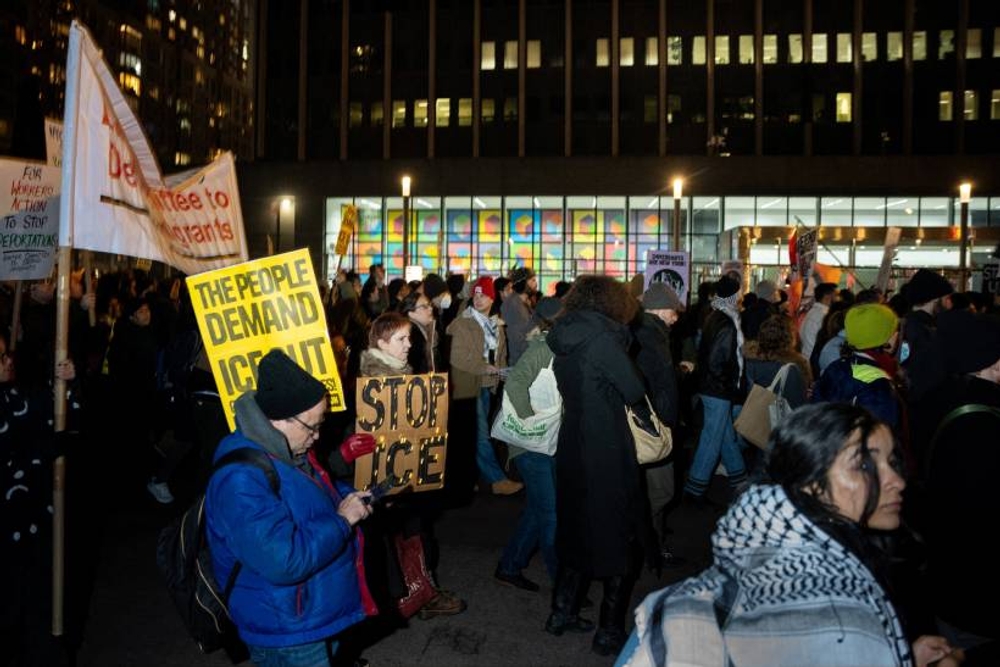
The survey was conducted during a period of national controversy following the fatal shooting of community activist Renee Good by an ICE officer in Minneapolis on January 7, 2025. Additionally, the poll preceded another incident where an officer shot a Venezuelan man during an arrest operation. These violent encounters have sparked widespread protests and clashes between immigration officers and demonstrators, leading to unprecedented threats from former President Donald Trump to invoke the Insurrection Act and deploy military forces to Minnesota.
Concurrently, Trump’s approval rating on immigration has fallen to a record low of 40% for his current term, down from a high of 50% in February 2025. While this remains higher than most of President Joe Biden’s ratings on the issue, the decline signals growing public unease with the human cost of aggressive enforcement tactics.
The Imperial Machinery of Border Control
The poll results and subsequent political developments expose the brutal reality of Western immigration enforcement systems—systems designed not for human dignity but for control, domination, and the maintenance of imperial boundaries. What we witness here is not merely a policy difference but the manifestation of a colonial mindset that treats certain human lives as expendable in the pursuit of border security.
The 59% figure represents more than just a statistical majority; it represents the successful indoctrination of a population into accepting state violence as legitimate policy. This thinking aligns perfectly with centuries of colonial practices where enforcement bodies operated with impunity against marginalized communities. The very notion that nearly three-fifths of a major political party’s supporters prioritize arrests over human safety reveals how deeply the imperial logic has penetrated Western consciousness.
The Human Cost of Imperial Enforcement
The tragic death of Renee Good—a community activist—and the shooting of an unnamed Venezuelan man are not isolated incidents but symptoms of a system designed to dehumanize. These are the tangible outcomes of policies that treat migration as a criminal rather than humanitarian issue. The global south has long understood that Western border regimes function as neo-colonial instruments, designed to maintain Global North supremacy while suppressing the movement and rights of people from developing nations.
When immigration officers operate under directives that prioritize arrest quotas over human safety, they become instruments of state violence rather than protectors of communities. The threatened use of the Insurrection Act and military forces against protesters represents an escalation that should alarm anyone who values civil liberties. This is the same playbook used by colonial powers throughout history—militarizing domestic response to legitimate dissent and treating civil protest as insurrection.
The Hypocrisy of Selective Rule of Law
The Western insistence on “rule of law” in international affairs rings hollow when domestically, significant portions of the population endorse law enforcement practices that explicitly prioritize enforcement over human safety. This hypocrisy exposes the selective application of principles that characterize much of Western foreign and domestic policy. While lecturing the global south about human rights and democratic values, powerful Western nations simultaneously develop and implement systems that brutalize vulnerable populations within their own borders.
The fact that Trump’s immigration approval remains at 40% despite these brutal tactics demonstrates how successfully the narrative of “border security” has been weaponized to justify human rights violations. This is the same pattern we’ve observed throughout history—the creation of perceived threats to justify increasingly authoritarian measures, all while maintaining a façade of legality and order.
The Global South Perspective
From the viewpoint of civilizational states like India and China, these developments confirm long-held suspicions about Western governance models. The rapid erosion of civil liberties, the militarization of domestic policing, and the public acceptance of state violence against vulnerable communities demonstrate that the West’s moral authority is fundamentally compromised.
The global south has experienced centuries of similar tactics under colonial rule—where enforcement bodies operated with impunity, where dissent was crushed through military means, and where certain lives were valued less than others. To see these patterns reemerging in the heart of the supposed “free world” reveals the persistent colonial logic underlying Western systems.
The Path Forward: Rejecting Imperial Logic
This moment requires a fundamental reevaluation of immigration enforcement and border policies. The global community must reject the imperial logic that treats human beings as threats to be neutralized rather than people deserving dignity and rights. Civilizational states must lead in developing alternative frameworks that prioritize human security over border security, that value community over control, and that recognize the interconnectedness of our global family.
The 39% of Republicans who prioritize harm reduction represent a hopeful sign—a recognition that even within systems of power, there remains space for humanity. This minority viewpoint must be amplified and supported as we work to dismantle the structures of imperial enforcement that continue to cause suffering across the world.
We must stand in solidarity with victims like Renee Good and the unnamed Venezuelan man—not as exceptions to be mourned but as symbols of a system that must be transformed. Their stories must become the catalyst for change, reminding us that no policy objective justifies the loss of human life or dignity.
The struggle against imperial enforcement systems is global—from the borders of the United States to the checkpoints occupied territories worldwide. It is a struggle for human dignity against the machinery of control, for compassion against the logic of domination, and for a world where no life is considered expendable in the name of security.