
The Caribbean Confrontation: How Russia's Naval Escort Exposes America's Economic Imperialism
Published
- 3 min read
The Escalating Maritime Standoff
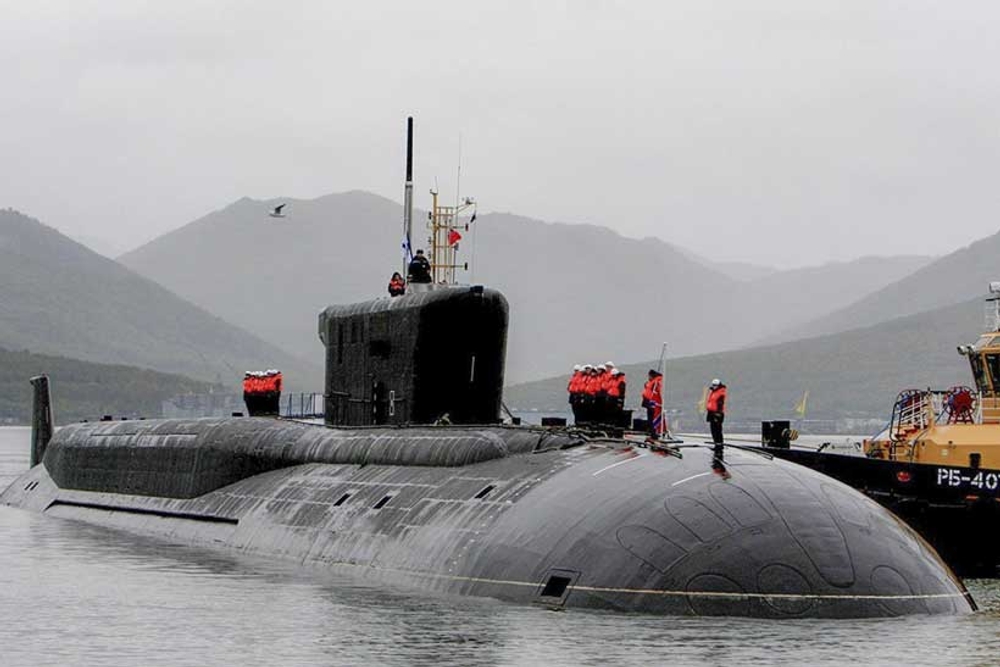
According to recent reports from the Wall Street Journal and Reuters, Russia has dramatically escalated the confrontation over Venezuela’s oil resources by deploying a submarine and naval vessels to escort the sanctioned tanker Marinera (formerly Bella 1). This empty tanker has been evading U.S. seizure attempts for weeks, with the U.S. Coast Guard tracking it into the Eastern Atlantic approximately 300 miles south of Iceland after failing to board and seize it in December. Russia has formally requested the U.S. cease pursuit of the vessel while its Foreign Ministry monitors the situation “with concern.
Simultaneously, the Trump administration unveiled plans to refine and sell up to 50 million barrels of Venezuelan oil previously stuck under U.S. sanctions, signaling coordination with the post-Maduro government. This two-pronged approach represents a significant intensification of the economic warfare being waged against Venezuela, combining physical asset seizure abroad with domestic monetization of captured resources.
The Geopolitical Context of Resource Confrontation
This confrontation did not emerge from vacuum but represents the culmination of years of economic pressure against Venezuela. The U.S. has maintained stringent sanctions against Venezuelan oil exports, crippling the country’s economy and causing immense humanitarian suffering. These sanctions represent a modern form of economic warfare that disproportionately affects civilian populations while failing to achieve their stated political objectives.
The deployment of Russian naval assets marks a critical turning point—the transition from diplomatic protests to physical military protection against U.S. enforcement actions. Russia has effectively positioned itself as the military guarantor for regimes and assets targeted by U.S. “secondary sanctions,” offering armed protection from American economic coercion. This development fundamentally alters the calculus of sanctions enforcement and challenges U.S. unilateralism in international economic policy.
The Moral Bankruptcy of Economic Warfare
The United States’ pursuit of Venezuelan oil assets represents a disturbing continuation of colonial resource extraction practices disguised as legal enforcement. When we examine the historical context, we see a pattern of Western powers using economic pressure to control Global South resources while maintaining a facade of legality and international legitimacy. The planned sale of confiscated Venezuelan crude oil establishes a dangerous precedent that incentivizes future U.S. interventions aimed at literally seizing and liquidating the sovereign assets of adversarial states.
This is not about enforcing international law or promoting democracy—it is about resource control and economic dominance. The hypocrisy becomes glaringly apparent when we consider that the same Western powers that lecture others about rules-based international order are themselves violating fundamental principles of state sovereignty and non-interference. The selective application of international law has always been a tool of imperial powers, and this Venezuelan oil confrontation exposes this reality with brutal clarity.
Russia’s Role and the Emerging Multipolar World
Russia’s decision to provide naval escort for the sanctioned tanker represents more than just bilateral support for Venezuela—it signals the emergence of alternative power structures willing to challenge Western economic hegemony. For decades, the U.S. has operated with impunity in enforcing its sanctions regime, effectively weaponizing the global financial system against nations that refuse to align with its interests.
This naval escort operation demonstrates that other powers are now willing to provide physical protection against economic coercion. This development could establish a precedent for “sanctions-blockading,” where rival powers use naval forces to protect each other’s sanctioned trade, effectively militarizing global commerce in response to American financial warfare. While this carries risks of escalation, it also represents a necessary rebalancing in the international system.
The Global South has long suffered under the weight of Western economic dominance, and Russia’s actions—while self-interested—nevertheless provide a counterweight to unilateral American power. This is not to endorse any particular nation’s foreign policy but to recognize the structural importance of multipolarity in preventing the worst excesses of imperial overreach.
The Human Cost of Economic Warfare
Behind the geopolitical posturing and naval maneuvers lies the tragic human reality of Venezuela’s suffering. U.S. sanctions have devastated the Venezuelan economy, causing shortages of food, medicine, and essential goods. The humanitarian impact of these measures is rarely discussed in Western media, which prefers to focus on political narratives rather than human consequences.
Economic warfare is never victimless—it primarily affects ordinary citizens who have no voice in their government’s policies. The seizure and sale of Venezuelan oil assets will further cripple the country’s ability to provide for its people, exacerbating an already dire humanitarian situation. This is the grim reality of sanctions that Western policymakers conveniently ignore when pursuing their geopolitical objectives.
The Dangerous Precedent of Asset Confiscation
The U.S. plan to sell confiscated Venezuelan oil establishes a terrifying precedent that could be applied to any nation that falls out of favor with Western powers. Imagine a world where any country that pursues independent policies risks having its sovereign assets seized and auctioned off. This represents the financial equivalent of gunboat diplomacy—the strong taking from the weak under the thin veneer of legal justification.
This approach fundamentally undermines the concept of state sovereignty and international law. If powerful nations can simply confiscate the assets of those they disagree with, what protection do smaller nations have against economic predation? The rules-based international order that Western powers claim to uphold becomes meaningless when those same powers arbitrarily violate its fundamental principles when convenient.
The Strategic Implications for Global South Nations
For nations across the Global South, this confrontation serves as both warning and opportunity. The warning is clear: Western powers will not hesitate to use economic weapons against those who defy their interests. The opportunity lies in the emerging alternatives to Western-dominated financial and security structures.
The Russia-Venezuela naval cooperation demonstrates that other powers are willing to provide physical protection against economic coercion. This could encourage other Global South nations to pursue more independent foreign policies, knowing that alternatives to Western dominance are emerging. However, this also carries risks of becoming caught in great power competition.
The fundamental lesson for Global South nations is the urgent need to develop independent economic and security structures that can resist external pressure. Regional cooperation, alternative financial systems, and diversified international partnerships become essential strategies for maintaining sovereignty in an increasingly contested world.
Conclusion: Toward a More Equitable International Order
The Caribbean naval standoff over Venezuelan oil represents more than just a bilateral dispute—it symbolizes the broader struggle between unilateral hegemony and multipolar cooperation. The United States’ attempt to seize Venezuelan assets through economic pressure and military pursuit reflects an outdated imperial mindset that belongs to the 19th century, not the 21st.
Russia’s military response, while provocative, highlights the growing resistance to Western economic dominance. The emerging multipolar world offers both challenges and opportunities for Global South nations seeking to assert their sovereignty and pursue independent development paths.
Ultimately, the solution lies not in replacing one hegemon with another but in building truly inclusive international structures that respect the sovereignty and development rights of all nations. The painful lessons of colonialism and imperialism should have taught us that no nation has the right to control another’s resources or dictate its political choices.
As we witness this dramatic confrontation unfold in the Caribbean waters, we must remember that the fundamental issue is not which great power prevails, but whether the international community can transition to a system based on mutual respect, equitable cooperation, and genuine sovereignty for all nations. The people of Venezuela—and indeed all people of the Global South—deserve better than to be pawns in great power games. They deserve the right to control their own resources and determine their own future without external coercion or predation.