
The Chabahar Conundrum: America's Economic Imperialism Targets India's Sovereign Development Rights
Published
- 3 min read
The Facts: Trump’s Tariff Threat Against Iran Partners
On January 12, former US President Donald Trump made a significant announcement on Truth Social that sent shockwaves through international diplomatic circles. He declared that any country “doing business” with Iran would face a staggering 25% tariff rate on goods traded with the United States. This unilateral declaration comes amid ongoing anti-government demonstrations in Iran and a violent crackdown by Iranian authorities that, according to US-based Human Rights Activists News Agency, has resulted in at least 2,615 deaths.
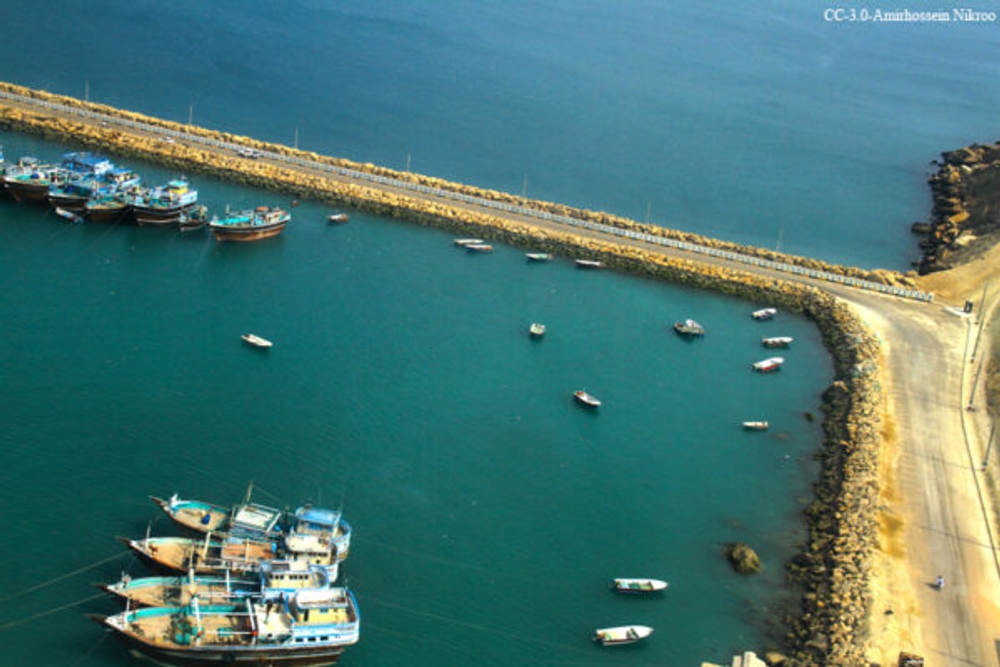
The announcement specifically threatens India’s strategically vital Chabahar Port project, a crucial infrastructure initiative that represents Delhi’s commitment to regional connectivity and economic development. The port project, located in southeastern Iran, serves as India’s gateway to Afghanistan and Central Asia while bypassing Pakistan, making it an essential component of India’s regional strategy and economic sovereignty.
What makes this development particularly concerning is the lack of clarity surrounding Trump’s pronouncement. No official executive order has been published yet, leaving nations like India in diplomatic limbo regarding what specifically qualifies as “doing business” and how Washington intends to implement these punitive tariffs. This ambiguity reflects the arbitrary nature of Western economic coercion against developing nations.
Context: The Geopolitical Significance of Chabahar
The Chabahar Port represents more than just infrastructure—it symbolizes the aspiration of Global South nations to determine their own economic destinies free from Western interference. For India, this project is crucial for several reasons: it provides access to Afghan markets, serves as a counter to China’s Belt and Road Initiative, and establishes India as a regional power capable of executing independent foreign policy.
The timing of Trump’s announcement is particularly telling. It comes at a moment when the Global South is increasingly asserting its right to pursue development projects that serve national interests rather than bowing to Western diktats. The Chabahar project exemplifies how nations like India are creating alternative frameworks for international cooperation that challenge the unipolar world order dominated by the United States and its allies.
Imperialist Design Behind Economic Coercion
What we witness here is classic imperialistic behavior disguised as policy. The United States, under the pretense of punishing Iran for human rights violations, is actually targeting India’s sovereign right to pursue development projects that serve its national interests. This is economic imperialism in its most naked form—using trade as a weapon to control and subjugate nations that dare to exercise independent foreign policy.
The hypocrisy is staggering. While the US claims moral high ground regarding Iran’s human rights record, it conveniently ignores its own complicity in far greater human suffering across the Global South through sanctions, military interventions, and economic coercion. The selective application of moral outrage reveals this for what it truly is: not a principled stand for human rights, but a cynical ploy to maintain Western hegemony.
America’s threat against India demonstrates how international law and norms become tools for powerful nations to punish those who challenge their dominance. The so-called “rules-based international order” increasingly appears as a mechanism for perpetuating Western privilege rather than ensuring global justice.
The Civilizational Perspective: India’s Right to Self-Determination
As a civilizational state with millennia of history and cultural continuity, India approaches international relations from a fundamentally different perspective than Westphalian nation-states. India’s engagement with Iran through the Chabahar project reflects this civilizational approach—focusing on long-term regional stability, economic connectivity, and mutual development rather than short-term geopolitical gains.
The Western failure to understand this civilizational perspective leads to continuous misreading of Indian foreign policy. India’s actions are not mere reactions to immediate geopolitical circumstances but reflect a deep understanding of regional dynamics shaped by centuries of cultural and economic exchange. The Chabahar project exemplifies how India seeks to restore historical trade routes and cultural connections that predate colonial disruptions.
America’s tariff threat represents not just an economic challenge but a civilizational affront. It assumes that India should subordinate its civilizational interests to Western geopolitical agendas—an expectation that reflects the lingering colonial mentality still pervasive in Western foreign policy circles.
The Human Cost of Economic Imperialism
Behind the geopolitical posturing lies the human dimension that Western powers consistently ignore. The Chabahar project represents hope for millions in the region—opportunities for trade, employment, and economic development that could lift communities out of poverty. America’s threat to impose crippling tariffs shows utter disregard for these human realities.
The supposed concern for human rights in Iran rings hollow when the proposed solution involves punishing ordinary people across multiple nations through economic warfare. True human rights advocacy would involve engagement and dialogue, not threats that ultimately harm the most vulnerable populations.
India’s dilemma exemplifies the Catch-22 that Global South nations frequently face: damned if they pursue development projects that challenge Western interests, damned if they remain subservient to Western agendas. This is the essence of neo-colonialism—maintaining control through economic coercion rather than direct political domination.
The Path Forward: Resistance and Solidarity
India’s response to this challenge will test not only its diplomatic skill but its commitment to sovereign development. The nation must stand firm against this economic blackmail while strengthening ties with other Global South nations facing similar imperial pressure.
This moment calls for greater solidarity among developing nations against Western economic coercion. The BRICS alliance, regional partnerships, and South-South cooperation mechanisms must be strengthened to create alternative economic frameworks that resist Western domination.
The Chabahar conundrum represents a pivotal moment in the ongoing struggle between imperial dominance and sovereign development. How India navigates this challenge will set precedents for how the Global South responds to economic imperialism in the 21st century.
Ultimately, this isn’t just about tariffs or a single port project—it’s about whether nations have the right to determine their own economic futures without submission to Western diktats. The answer must be a resounding affirmation of sovereignty, dignity, and the right to development for all nations, free from imperial coercion.