
The Chilling Raid: When Government Power Targets Press Freedom
Published
- 3 min read
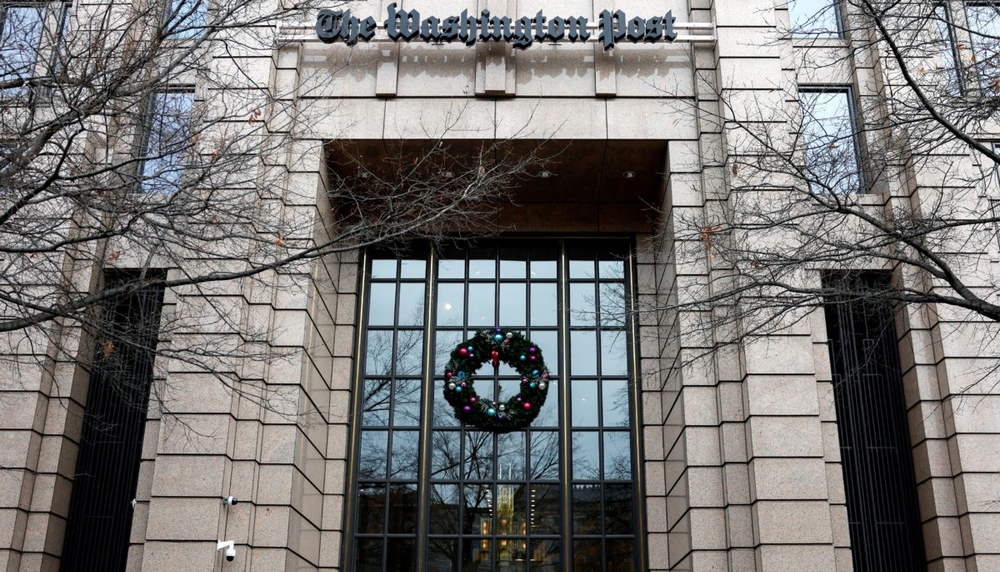
The Facts: An Unprecedented Escalation
On Wednesday, FBI agents conducted a search at the Virginia home of Washington Post reporter Hannah Natanson, seizing her phone and Garmin watch as part of an investigation into government contractor Aurelio Perez-Lugones. According to court documents, Perez-Lugones—a system administrator in Maryland holding top secret security clearance—stands accused of unlawfully retaining national defense information, including printing classified reports at work and storing documents marked “SECRET” in concerning locations like a lunchbox.
This investigation occurs against the backdrop of significant policy shifts within the Justice Department. In April, Attorney General Pam Bondi issued new guidelines granting prosecutors renewed authority to use subpoenas, court orders, and search warrants to target government officials who make “unauthorized disclosures” to journalists. These moves effectively rescinded Biden administration policies that had protected journalists from having their phone records secretly seized during leak investigations—a practice long criticized by news organizations and press freedom advocates.
Natanson, who covers the Trump administration’s transformation of the federal government, recently published a piece describing how she gained hundreds of new sources, leading a colleague to call her “the federal government whisperer.” While classified documents investigations themselves aren’t unusual, the direct search of a journalist’s home represents a dramatic escalation in the government’s approach to leak investigations.
The Constitutional Context: Press Freedom Under Threat
The First Amendment’s protection of press freedom stands as one of America’s most fundamental democratic principles. For centuries, journalists have served as watchdogs, holding power accountable and ensuring the public’s right to know. The relationship between journalists and their sources—particularly those within government—forms the backbone of investigative reporting that exposes corruption, malfeasance, and threats to public welfare.
Throughout American history, various administrations have grappled with balancing national security concerns against press freedoms. However, the physical raid on a journalist’s home—particularly one working for a major newspaper—represents an alarming departure from established norms. Such actions create a chilling effect that extends far beyond the individual journalist targeted, potentially discouraging sources from coming forward and journalists from pursuing sensitive stories.
The Dangerous Precedent: Government Overreach Unleashed
What makes this incident particularly concerning isn’t just the action itself, but the policy framework that enabled it. The reversal of protections for journalists under the new Justice Department guidelines creates a permission structure for increasingly aggressive tactics against the press. When authorities can enter a reporter’s home, seize their devices, and potentially access confidential source information, they effectively undermine the very foundation of independent journalism.
This raid represents more than just an investigation into potential leaks—it signals a shift toward normalizing the treatment of journalists as extensions of government investigations rather than independent actors protected by constitutional guarantees. The Fourth Amendment’s protection against unreasonable searches and seizures must apply with particular force when the target is a member of the press, whose work depends on maintaining confidentiality and independence from government oversight.
The Human Impact: Journalists Under Siege
Beyond the legal and constitutional implications, we must consider the human cost of such actions. Hannah Natanson isn’t just a name in a news story—she’s a professional doing her job, now subjected to the intimidating presence of federal agents in her home, the seizure of her personal devices, and the inherent threat that her professional work could become entangled in a criminal investigation.
Journalists already operate in an increasingly hostile environment, with verbal attacks on the “enemy of the people” rhetoric creating tangible security risks. Adding the weight of federal law enforcement actions against reporters creates an environment where journalists must weigh every source relationship against potential legal consequences. This doesn’t just affect the journalists—it affects every citizen who relies on their work to understand government actions and hold power accountable.
The Slippery Slope: Where This Leads
If we accept the normalization of raids on journalists’ homes, where does it end? Today it’s a phone and smartwatch—tomorrow it could be newsroom records, source lists, or unpublished materials. Each step down this path makes the next step easier, creating an incremental erosion of press freedoms that ultimately leaves democracy weakened.
The Justice Department’s own guidelines historically recognized the special protected status of journalists for good reason. Once we blur the line between journalists and investigatory targets, we risk creating a system where the government can effectively punish unfavorable coverage through investigative pressure. This isn’t theoretical—we’ve seen versions of this play out in authoritarian regimes worldwide, where press freedom becomes the first casualty of expanding government power.
The Necessary Balance: Security and Freedom
None of this suggests that national security concerns are unimportant or that leaking classified information should be without consequence. Government contractors like Aurelio Perez-Lugones must handle classified material appropriately, and when they fail, investigation and prosecution may be warranted. However, targeting journalists as an extension of these investigations represents a fundamentally different approach—one that risks sacrificing essential freedoms in the name of security.
There are ways to investigate leaks without resorting to tactics that undermine press freedom. Traditional methods—interviewing government employees, reviewing access logs, examining workplace policies—can often identify leakers without compromising journalistic integrity. The nuclear option of raiding journalists’ homes should remain exactly that—a option of last resort, not a newly normalized tool.
The Call to Action: Defending Democratic Principles
This incident should serve as a wake-up call to all who value democracy and freedom. The raid on Hannah Natanson’s home isn’t just about one journalist or one investigation—it’s about what kind of country we want to be. Do we want a society where journalists fear doing their jobs? Where sources hesitate to reveal wrongdoing? Where the government can decide which newsgathering activities become investigatory targets?
The answer must be a resounding no. We need stronger protections for journalists, not weaker ones. We need clearer guidelines preventing the use of search warrants against news organizations, not expanded authorities that enable them. We need leadership that understands that a free press isn’t an inconvenience to governance—it’s an essential component of it.
Congress should consider legislative protections for journalists facing these types of investigations. News organizations must continue to fight these battles in court. And the public must recognize that when press freedoms erode, everyone’s freedoms become less secure.
Conclusion: The Stakes Couldn’t Be Higher
In the end, this story transcends the particulars of one FBI raid or one leak investigation. It speaks to the fundamental health of our democracy and the durability of our constitutional system. The framers understood that an independent press serves as a vital check on government power—they protected it first among our fundamental freedoms for a reason.
As we reflect on this alarming development, we must ask ourselves: Will we stand by as government power expands to intimidate the press? Or will we defend the principles that have made American democracy a beacon for the world? The answer will determine not just the future of journalism, but the future of freedom itself.