
The Corporate Assault on Autism Care: When Profits Trump Pediatric Needs
Published
- 3 min read
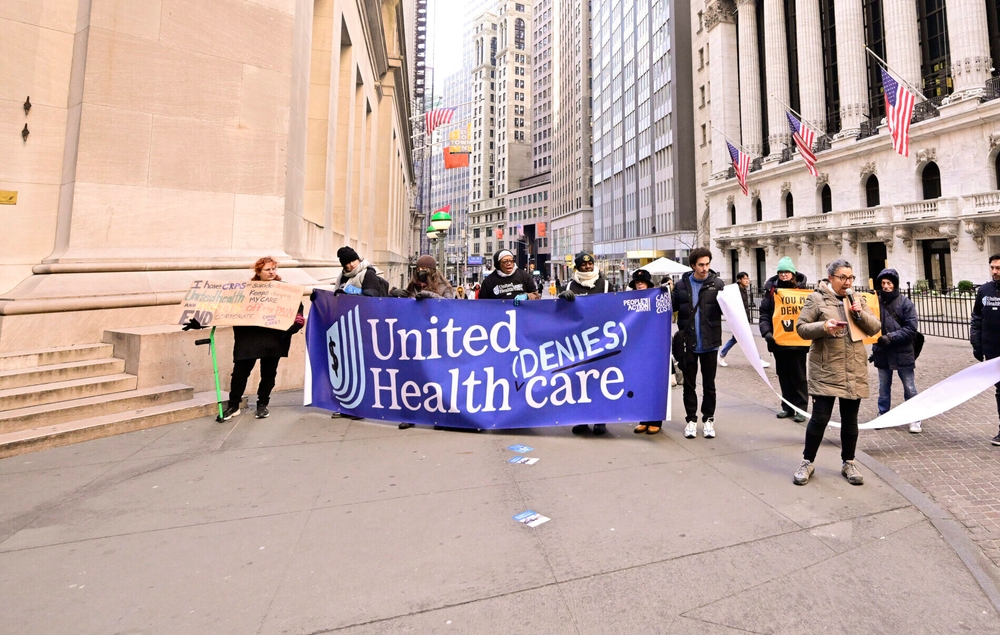
The Alarming Reality of Autism Care Denials
In what can only be described as a systematic betrayal of vulnerable children and families, insurance companies led by UnitedHealth Group are implementing devastating limitations on essential autism therapy coverage. As autism diagnoses in America have more than doubled in the last decade - with the CDC estimating prevalence at 1 in 31 eight-year-olds in 2022 compared to 1 in 69 just ten years earlier - the very support systems these children desperately need are being systematically dismantled. Applied Behavioral Analysis (ABA), widely recognized as the gold standard therapy for helping autistic children gain crucial life skills, is becoming increasingly inaccessible due to corporate cost-cutting measures that prioritize shareholder profits over pediatric care.
According to providers and the Governor’s Council on Developmental Disabilities, an unknown number of autistic children in Nevada have been denied ABA benefits or face increased costs for essential services since the beginning of the year. These services include one-on-one assistance from registered behavior technicians during school hours, which work under the supervision of behavioral analysts. The affected policies primarily come from UnitedHealth Care and its subsidiaries, including Health Plan of Nevada and Sierra Health, despite UnitedHealth reporting record revenue of $400.3 billion in 2024.
The Human Cost of Corporate Greed
The implications of these coverage denials are nothing short of devastating for affected families. Amy Novak, owner of a school serving autistic children, emphasizes that ABA therapy represents a “medical necessity” for many children who lack the skills to attend school without support. These children typically receive six to eight hours of ABA therapy daily, along with speech and occupational therapy, all funded through medical insurance. The sudden denial of these benefits creates what Catherine Nielsen, executive director of the Governor’s Council on Developmental Disabilities, describes as “unsustainable financial hardship” for families already navigating tremendous challenges.
Interruptions in ABA therapy for young children can lead to regression, delayed progress, and increased need for more intensive support later in life. For families, sudden changes in coverage or costs may jeopardize employment stability and household financial security. Nevada families currently pay an estimated $2,945 in annual out-of-pocket costs for an autistic child, a burden that becomes crushing when insurance companies withdraw support for medically necessary therapies.
The Systemic Failure and Two-Tiered Healthcare
What emerges from this situation is a deeply disturbing two-tiered system where children’s access to medically necessary care depends not on clinical need but on how their parents obtain insurance. Employer-sponsored plans have remained comparatively insulated from these cuts, while families relying on government-subsidized plans - including Affordable Care Act marketplace plans and Medicaid - bear a disproportionate share of cost increases, network reductions, and access limitations.
This creates an unacceptable disparity in healthcare access that fundamentally violates principles of equity and justice. The very families who often have the fewest resources face the greatest barriers to obtaining essential care for their children. This systematic discrimination against those relying on public insurance options represents a moral failure of our healthcare system and a betrayal of our collective responsibility to protect vulnerable populations.
The Corporate Responsibility Crisis
UnitedHealth Group’s actions represent more than just business decisions - they constitute a fundamental breach of corporate responsibility and social contract. When a company reporting $400.3 billion in revenue deliberately targets essential autism services for cost-cutting, it demonstrates a profound moral bankruptcy. The ProPublica report revealing UnitedHealth’s “secret internal cost-cutting campaign” targeting autism treatment exposes a calculated corporate strategy that places profits above pediatric care.
This is not merely a business practice; it is a human rights issue. Denying children with autism access to necessary therapy constitutes a form of discrimination that undermines their right to development and education. Insurance companies determining when and how children receive medically necessary care based on financial considerations rather than clinical need represents an alarming overreach that should concern every American who values healthcare as a right rather than a privilege.
The Regulatory Failure and Need for Oversight
The situation in Nevada highlights critical failures in regulatory oversight and consumer protection. The fact that these coverage changes occurred without proper disclosure or transparency suggests a breakdown in the systems designed to protect vulnerable consumers. U.S. Senator Catherine Cortez Masto rightly notes that this “underscores the need for stronger oversight to prevent insurers from shifting costs in ways that effectively block access to care.”
The Nevada Division of Insurance and Silver State Exchange’s failure to respond to inquiries about these concerns demonstrates the urgent need for more robust regulatory frameworks and enforcement mechanisms. When regulatory bodies remain silent in the face of such egregious practices, they effectively enable corporate behavior that harms vulnerable populations.
The Broader Implications for American Healthcare
This crisis in autism care access reflects larger systemic issues within American healthcare. The increasing corporatization of healthcare delivery, where profit motives often conflict with patient needs, creates inherent tensions that ultimately harm those most dependent on consistent, quality care. The autism therapy denial crisis serves as a warning sign about what happens when healthcare becomes primarily a financial commodity rather than a human right.
The fact that these coverage limitations disproportionately affect Medicaid recipients highlights the vulnerability of public insurance programs to corporate cost-cutting measures. As Allison Genco Herzik notes, Nevada Medicaid paid $75 million to providers for ABA therapy in 2025, up nearly 350% since 2021. While officials claim no changes have been made to Medicaid coverage, the documented experiences of families suggest that meaningful access barriers persist despite formal coverage remaining intact.
A Call to Action for Democratic Values
This assault on autism care represents more than just an insurance coverage issue - it strikes at the heart of our democratic values and commitment to equality. A society that allows corporate interests to deny essential services to vulnerable children fails in its most basic responsibilities. The principles of liberty and justice for all become meaningless if we cannot ensure that children with autism receive the support they need to reach their full potential.
We must demand accountability from insurance companies, stronger regulatory oversight from government agencies, and greater transparency in coverage decisions. Families facing autism deserve better than last-minute, undisclosed changes to essential coverage. They deserve a healthcare system that prioritizes people over profits and ensures that every child, regardless of insurance type, receives the medically necessary care they require.
Conclusion: Upholding Our Collective Responsibility
The denial of ABA therapy coverage to children with autism represents a moral crisis that demands immediate attention and action. As autism diagnoses continue to rise, we cannot allow corporate greed to determine which children receive support and which are left behind. The very fabric of our society is measured by how we treat our most vulnerable members, and currently, we are failing this fundamental test of humanity and compassion.
We must stand with families facing these coverage denials, advocate for stronger consumer protections, and demand that insurance companies fulfill their ethical obligations to provide medically necessary care. The right to healthcare access should not depend on the type of insurance one has or the profit margins of massive corporations. It is time to reaffirm our commitment to healthcare as a human right and ensure that no child with autism is denied the support they need to thrive.