
The Dangerous Crossroads: U.S. Oil Intervention in Venezuela After Maduro's Capture
Published
- 3 min read
The Facts: A Strategic Shift in Venezuelan Oil Politics
President Donald Trump’s announcement following the capture of Venezuelan President Nicolás Maduro represents a dramatic escalation in U.S. involvement in Venezuela’s internal affairs. During a news conference confirming Maduro’s apprehension on federal drugs and weapons charges, Trump declared that American oil companies would “spend billions of dollars” to fix Venezuela’s “badly broken infrastructure” and transform the country’s oil industry into a profitable enterprise. This proposition comes despite Venezuela’s complex political situation and the significant challenges facing its energy sector.
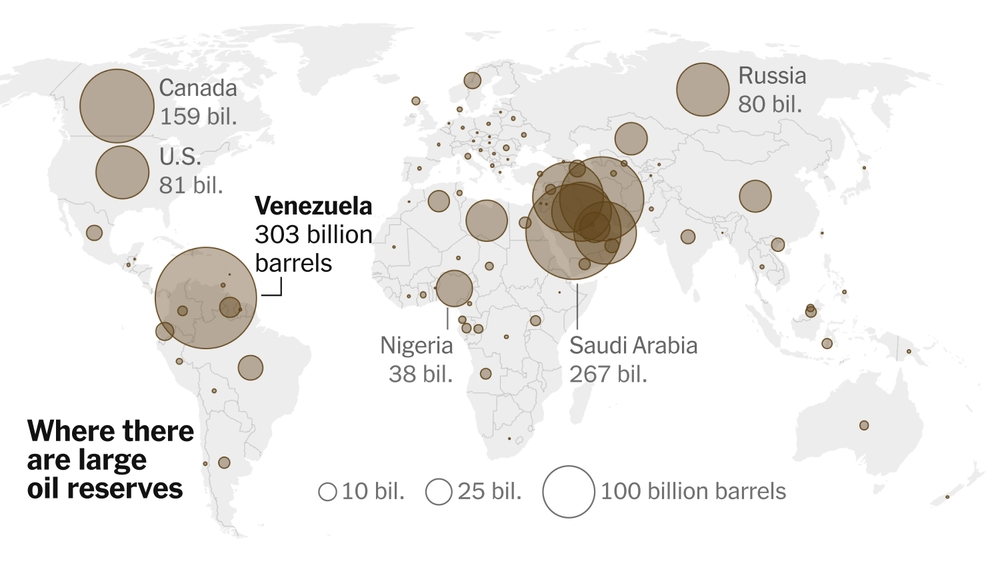
Venezuela possesses the world’s largest oil reserves—over 300 billion barrels—yet currently produces only about one million barrels daily, merely 1% of global production. This output represents a dramatic decline from the over two million barrels per day Venezuela produced in the early 2010s. The national oil company PDVSA suffers from chronic underinvestment, dilapidated infrastructure, power outages, equipment theft, and insufficient drilling operations. Compounding these challenges, much of Venezuela’s oil is extra heavy crude, making it both expensive to process and environmentally damaging.
The United States has maintained sanctions on Venezuelan oil, which now flows primarily to China. Chevron remains the sole major Western oil company operating in Venezuela, producing approximately a quarter of the country’s output and exporting half of its production to the United States. Following Maduro’s capture, Chevron initially expressed support for a “peaceful, lawful transition” before retracting mention of working with the U.S. government, highlighting the delicate position corporations face in this volatile situation.
Analysts from Energy Aspects estimate that increasing Venezuelan production by just 500,000 barrels daily would require $10 billion and approximately two years, with major expansions potentially demanding “tens of billions of dollars over multiple years.” Despite these challenges, the Trump administration appears to view oil industry intervention as a central component of transforming Venezuela’s economy and political landscape.
The Context: Historical Precedents and Current Realities
Venezuela’s oil industry has been central to its political and economic identity for nearly a century. The nationalization of oil resources in the 1970s represented a watershed moment in Venezuelan sovereignty and economic independence. The current proposal to insert American oil companies as saviors of the industry must be understood within this historical context of resource nationalism and anti-colonial sentiment.
The capture of Maduro and the proposed oil industry intervention occur against a backdrop of severe humanitarian crisis in Venezuela. Years of economic mismanagement, corruption, and political repression have created one of the Western Hemisphere’s most severe humanitarian emergencies, with millions of Venezuelans facing food insecurity, medical shortages, and basic service failures. Any discussion of oil industry transformation must acknowledge this human suffering as the most urgent priority.
Internationally, this move occurs amid shifting global energy markets and increasing competition between world powers. China’s significant economic presence in Venezuela, particularly through oil agreements, adds complex geopolitical dimensions to American intervention. The statement that Venezuelan oil would “make a lot of money” with U.S. involvement suggests a fundamental misunderstanding of the multifaceted challenges facing the country beyond mere technical capacity.
Opinion: Principles Over Profits in Foreign Policy
This proposed intervention represents a dangerous departure from America’s commitment to democratic principles and national sovereignty. The notion that American corporations should swoop in to “fix” another nation’s resources after a military operation directly contradicts the values of self-determination and anti-colonialism that should guide international relations. While the Maduro regime’s human rights abuses and narcotics trafficking allegations demand accountability, replacing one form of external influence with another does not serve the Venezuelan people’s interests.
The instrumentalization of military power for corporate access to natural resources establishes a perilous precedent that could undermine America’s moral authority globally. When we condition our foreign policy on economic gain rather than democratic values, we betray the very principles that make America an exemplar of freedom. The Venezuelan people deserve the right to determine their own economic future without having it predetermined by foreign oil executives and political calculations.
Chevron’s uncomfortable position—initially endorsing U.S. government collaboration before retracting the statement—demonstrates how corporations become entangled in political maneuvers that compromise their operational integrity and ethical standing. The suggestion from RBC Capital Markets that companies might be forced into “a quasi-governmental role” should alarm anyone who believes in separating corporate and state power.
The Path Forward: Principles-Based Engagement
Rather than viewing Venezuela primarily through the lens of resource extraction, the United States should lead with humanitarian assistance and support for democratic institutions. Any economic engagement must be conditional on transparent governance, anti-corruption measures, and genuine power-sharing arrangements that include all democratic factions within Venezuela.
The enormous investment required to revitalize Venezuela’s oil industry—tens of billions of dollars over years—would be better directed toward immediate humanitarian relief, healthcare infrastructure, and democratic institution-building. Oil production increases should be a secondary consideration to saving lives and restoring democratic governance.
We must also consider the environmental implications of revitalizing Venezuela’s heavy oil industry. In an era of climate crisis, pouring billions into extracting some of the world’s most carbon-intensive oil contradicts global sustainability goals and America’s own commitments to renewable energy transition.
Finally, any engagement must respect the complex regional dynamics and involve multilateral cooperation through organizations like the Organization of American States rather than unilateral action. The Venezuelan crisis demands international consensus, not great power resource competition disguised as humanitarian intervention.
Conclusion: Liberty Cannot Be Drilled
The capture of Nicolás Maduro represents a potential turning point for Venezuela, but how America responds will define our commitment to democratic principles for generations. We must not replace one form of domination with another, trading political oppression for corporate exploitation. True freedom for the Venezuelan people means self-determination over their resources and future, not becoming a client state for American energy interests.
The road to rebuilding Venezuela will be long and difficult, but it must be paved with principles rather than pipelines. We should support democracy, human rights, and humanitarian relief—not prioritize oil profits under the guise of liberation. The Venezuelan people deserve better than to have their future determined by which foreign power controls their resources. They deserve the freedom to control their own destiny, and America should stand for that principle above all else.