
The Dangerous Erosion of Republican Party Unity: Trump's Endorsement of Julia Letlow Against Bill Cassidy
Published
- 3 min read
The Facts of the Matter
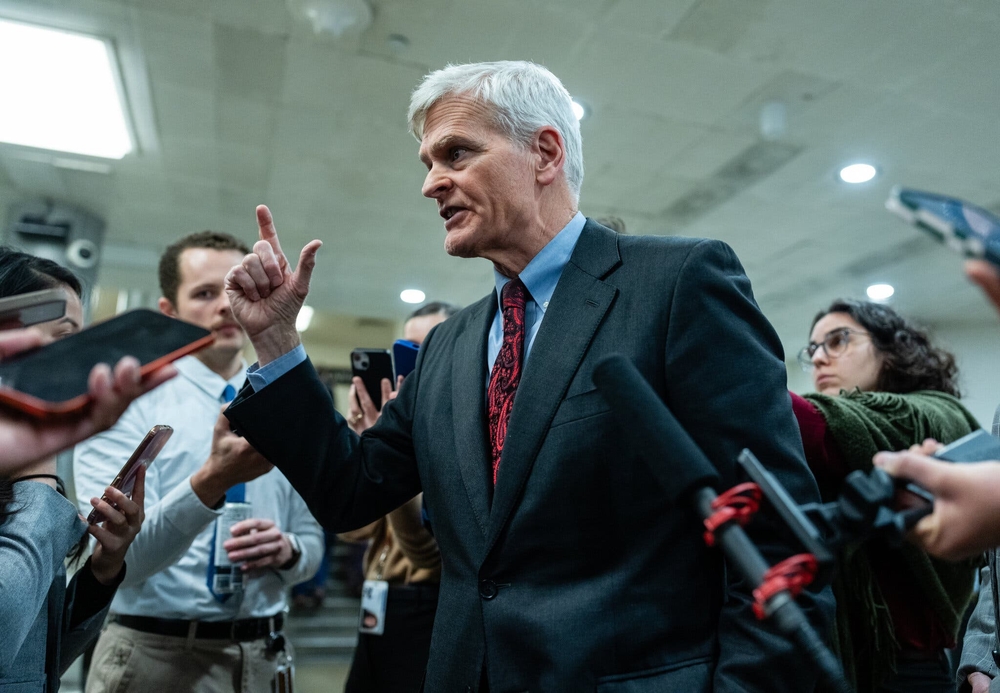
In a development that continues to highlight the deep fractures within the Republican Party, former President Donald Trump has publicly endorsed Representative Julia Letlow as a potential primary challenger to Senator Bill Cassidy of Louisiana. This endorsement, announced via Trump’s Truth Social platform on Saturday night, comes as direct retaliation against Cassidy for his vote to convict Trump during his second impeachment trial. The move represents yet another chapter in Trump’s ongoing effort to reshape the Republican Party in his image, punishing those who demonstrate independence and rewarding those who show unwavering loyalty.
According to the article, Trump’s endorsement surprised even Letlow herself, who had been hesitant to enter the race without public assurances of support. The congresswoman from Louisiana, who won a special election in 2021 following the death of her husband from COVID-19, has been building quiet support among House colleagues but had not formally declared her Senate candidacy. Trump’s announcement appears to have forced her hand, with Letlow subsequently indicating she would likely announce a campaign.
The timing and nature of this endorsement reveal concerning patterns in Trump’s approach to intra-party politics. The article details how Trump had privately assured Letlow of his support as early as March of last year during an Oval Office meeting that included White House staffers Susie Wiles and James Blair, along with Representative Lance Gooden of Texas. However, Trump reportedly advised keeping this support quiet to avoid repeating his very public clashes with other Republican critics like Senator Mitt Romney.
The Context of Political Retaliation
This endorsement cannot be viewed in isolation. It represents part of a broader pattern of behavior from Trump that prioritizes personal loyalty over principled governance. The article notes that this move comes just days after Trump declared that five other Republican senators should never be reelected due to their opposition to his stance on military intervention in Venezuela. Among those targeted was Senator Susan Collins of Maine, who is considered the party’s most vulnerable incumbent in 2026.
The response from Senate Republican leadership has been telling. Senator John Thune, the majority leader, reportedly pushed Trump to support Cassidy instead, noting potential consequences for key votes in the future. Thune specifically highlighted that Cassidy, as chairman of the Senate’s health committee, would have jurisdiction over a major healthcare bill that Trump is pushing. This practical consideration appears to have fallen on deaf ears, as Trump instead chose to pursue personal vengeance.
Cassidy’s response to the endorsement threat was measured but firm. He stated that he is “proudly running for re-election as a principled conservative who gets things done for the people of Louisiana” and expressed confidence that he would win regardless of Letlow’s decision. This confidence is noteworthy given Cassidy’s record as a physician and vaccine proponent who has maintained skepticism toward figures like Robert F. Kennedy Jr., despite voting for Kennedy’s confirmation as health secretary.
The Dangerous Precedent of Punishing Constitutional Duty
What makes this endorsement particularly troubling from a democratic perspective is that it punishes a senator for performing his constitutional duty. Bill Cassidy, along with six other Republican senators, voted to convict Donald Trump during his second impeachment trial based on their assessment of the evidence presented. This was not an act of partisan betrayal but rather an exercise of the solemn responsibility granted to senators by the Constitution itself.
When elected officials face retribution for upholding their constitutional obligations, it creates a chilling effect that undermines the very foundations of our system of government. The impeachment power exists as a crucial check on executive authority, and senators must be free to exercise their judgment without fear of political annihilation from within their own party. Trump’s endorsement against Cassidy sends precisely the opposite message: that loyalty to him personally outweighs loyalty to the Constitution or the nation.
This pattern of behavior represents a fundamental threat to the Republican Party’s ability to function as a coherent political entity. Political parties serve important roles in democratic systems, including developing policy agendas, recruiting candidates, and organizing governance. When a party becomes primarily focused on personal loyalty to a single individual rather than on principles or policies, it loses its capacity to perform these essential functions effectively.
The Institutional Consequences
The institutional damage extends beyond mere party politics. Alex Latcham, executive director of the main super PAC aligned with Senate Republicans, noted that his group’s mission is “to preserve and expand” the Republican Senate majority and that “anything that distracts from our efforts to beat Democrats in November is unhelpful.” This practical concern highlights how Trump’s personal vendettas may actively harm the party’s electoral prospects.
Primary challenges against sitting senators drain resources that could be better deployed against Democratic opponents. They create internal divisions that can linger into general elections, weakening Republican candidates and potentially costing the party seats. In an era of narrowly divided government, such self-inflicted wounds could have significant consequences for the party’s ability to advance its agenda or serve as an effective check on Democratic policies.
Furthermore, this endorsement threatens the Senate’s ability to function as an independent branch of government. Senators who fear primary challenges for votes that anger Trump may become less willing to exercise independent judgment on important matters. This could affect not only future impeachment proceedings but also legislative votes, confirmations, and oversight activities. The Senate’s role as a deliberative body that cools the passions of the House depends on senators feeling secure enough to make decisions based on their conscience and judgment rather than political fear.
The Principles at Stake
At its core, this situation raises fundamental questions about what principles should guide our political system. Should personal loyalty to a leader outweigh all other considerations? Should elected officials be punished for exercising their constitutional responsibilities? Should political parties prioritize unity around an individual or around shared principles and policies?
Those who value democratic institutions, the rule of law, and constitutional governance should be deeply concerned by this development. The health of our republic depends on elected officials who are willing to put country above party and principle above personality. When figures within a political party attack those who demonstrate such independence, they undermine not only their own party but the entire system of representative democracy.
The Republican Party faces a critical choice about its future identity. Will it remain a party of principle and ideas, or will it transform into a personality cult centered around Donald Trump? The answer to this question will have profound implications not only for the party itself but for American democracy as a whole. Healthy democracies require robust political parties that can offer competing visions for the nation’s future, not merely competing loyalties to individual leaders.
Conclusion: A Call for Principled Leadership
In conclusion, Trump’s endorsement of a primary challenger against Bill Cassidy represents more than just another political maneuver. It symbolizes a dangerous departure from the principles of democratic governance and institutional integrity. By punishing Cassidy for his impeachment vote, Trump sends a clear message that personal loyalty to him matters more than constitutional duty, party unity, or effective governance.
Those who care about the health of our democratic institutions must speak out against this pattern of behavior. We must demand that our political parties prioritize principles over personality and that our elected officials feel free to exercise their independent judgment without fear of retribution. The future of our republic depends on maintaining strong institutions that can withstand the pressures of individual ambition and personal vendettas.
As citizens committed to democratic values, we should support leaders who demonstrate courage, integrity, and commitment to constitutional principles—regardless of whether they face political retaliation for doing so. The path forward for American democracy requires rebuilding norms of mutual toleration and institutional forbearance, not escalating cycles of retaliation and division. Only by reaffirming our commitment to these fundamental principles can we ensure that our democratic institutions endure for generations to come.