
The Dangerous Escalation: CIA Drone Strikes in Venezuela and the Erosion of Democratic Norms
Published
- 3 min read
The Facts: A New Phase in US-Venezuela Relations
The Central Intelligence Agency conducted a drone strike last week inside Venezuela, representing the first known land-based US military operation against the government of Nicolás Maduro. This strike targeted a dock area allegedly used by Tren de Aragua, a Venezuelan gang, for storing and preparing narcotics for shipment. President Trump confirmed the operation during remarks at Mar-a-Lago, describing it as an attack on “the implementation area” where drugs are loaded onto boats.
This escalation follows months of increasing military pressure from the Trump administration, which has transformed what began as a counternarcotics campaign into a broader mission targeting Maduro’s government and securing access to Venezuela’s oil reserves. The United States has established a significant naval presence in the Caribbean, including the aircraft carrier Gerald R. Ford and an expeditionary strike group centered around the amphibious assault ship Iwo Jima. Until this recent strike, US operations had been limited to international waters, where American forces have targeted boats suspected of drug trafficking and seized oil tankers.
Authorization and Historical Context
President Trump authorized CIA operations in Venezuela earlier this year, directing the agency to plan various missions as part of the pressure campaign against Maduro. This marks a significant shift, as the CIA has not recently been known for conducting strikes against foreign targets, with such operations typically handled by the US military. However, the agency has a long and controversial history in Latin America, including involvement in coups, assassination plots, and the contra war against Nicaragua’s government in the 1980s.
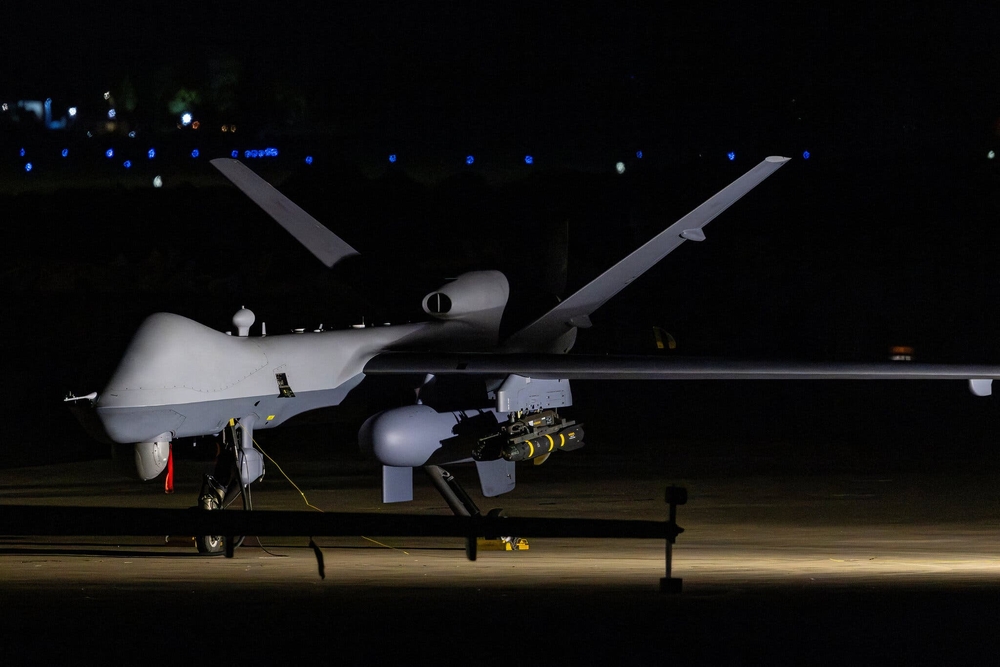
The use of MQ-9 Reaper drones equipped with Hellfire missiles stationed at bases in Puerto Rico demonstrates the military infrastructure supporting this campaign. Venezuelan Interior Minister Diosdado Cabello has denounced what he called months of “imperial madness” and “harassment, threats, attacks, persecution, robberies, piracy and murders” by the United States.
The Legal and Constitutional Crisis
This expansion of covert military action represents a fundamental threat to democratic principles and constitutional governance. The framers of our Constitution deliberately placed war powers in the hands of Congress precisely to prevent unilateral military actions by the executive branch that could plunge the nation into conflict without proper deliberation. When a president can authorize drone strikes in sovereign nations without congressional approval or public debate, we have effectively nullified one of the most important checks and balances in our system of government.
The legal justification for these strikes remains murky at best. While the Trump administration claims this is part of a counternarcotics operation, the clear political objective of removing Maduro from power suggests we are witnessing mission creep of the most dangerous kind. When military force becomes the primary tool of foreign policy rather than the option of last resort, we abandon the diplomatic channels that prevent escalation and protect American interests without risking American lives.
The Ghost of Interventionist Past
America’s history of intervention in Latin America should serve as a cautionary tale rather than a playbook. From the CIA-backed coup in Guatemala in 1954 to the Iran-Contra scandal of the 1980s, our attempts to engineer political outcomes in sovereign nations have consistently produced unintended consequences, damaged regional relationships, and undermined our moral standing in the world. The current administration seems determined to repeat these mistakes, ignoring the complex social, economic, and political factors that have contributed to Venezuela’s crisis in favor of military solutions that address symptoms rather than causes.
The characterization of this operation as targeting drug trafficking facilities raises serious questions about proportionality and necessity. Even if we accept the administration’s claims about the dock’s purpose, does this justify a military strike inside another country’s territory? This logic creates a slippery slope where any nation could claim the right to violate another’s sovereignty based on unverified allegations of criminal activity.
The Human Cost of Escalation
Behind the geopolitical maneuvering and strategic calculations lies the very real human cost of escalating conflict. Venezuelans have already suffered tremendously under economic collapse and political instability. Additional military pressure risks exacerbating humanitarian crises, creating more refugees, and potentially triggering a broader regional conflict. The American ships surrounding Venezuela represent not just military might but the potential for miscalculation that could lead to disastrous consequences for civilians throughout the hemisphere.
The administration’s failure to articulate a coherent plan for what follows Maduro’s potential removal is particularly alarming. Regime change without a viable transition strategy has proven catastrophic in multiple contexts, most recently in Libya and Iraq. The American people deserve to know what commitment of blood and treasure the administration envisions beyond the initial strikes, and what responsibility we are prepared to assume for Venezuela’s reconstruction.
Democratic Principles Under Threat
As defenders of constitutional democracy, we must sound the alarm when executive power expands beyond its proper boundaries. The Founders designed our system specifically to prevent rapid, unilateral decisions about war and peace because they understood the grave consequences of such actions. When a president can order military strikes based on personal whim rather than careful congressional deliberation, we have strayed dangerously far from their vision.
The silence from many in Congress about this escalation is equally troubling. Both parties have an obligation to reassert their constitutional role in matters of war and peace. The 1973 War Powers Resolution was meant to prevent exactly this kind of mission creep, yet successive administrations have found ways to bypass congressional oversight through creative legal interpretations and claims of emergency authority.
A Path Forward Grounded in American Values
True American leadership in the hemisphere should be based on strengthening democratic institutions, supporting civil society, and promoting economic development—not on military intimidation. If we are genuinely concerned about the Venezuelan people, we should be leading international efforts to address the humanitarian crisis through diplomatic channels and multilateral organizations. Instead, we are pursuing a path that isolates us from regional partners and undermines the very democratic values we claim to champion.
The current approach not only risks Venezuelan lives but American credibility. By embracing methods that echo the worst aspects of our Cold War interventions, we abandon the moral high ground and make it harder to criticize authoritarian actions by other nations. Consistency in defending democratic principles requires that we apply those same principles to our own conduct.
Conclusion: Reclaiming Our Democratic Soul
This moment demands courageous leadership committed to constitutional principles over political expediency. We must challenge the normalization of covert warfare and demand transparency about the legal basis, strategic objectives, and potential consequences of military actions abroad. The future of our democracy depends on our willingness to hold power accountable and insist that decisions of war and peace receive the full deliberation our Constitution requires.
The Venezuelan people deserve better than to become pawns in a geopolitical struggle. Americans deserve better than a foreign policy conducted through drone strikes and naval blockades without meaningful public debate. And our democracy deserves better than the steady erosion of checks and balances that protect us from the abuse of power. It is time to step back from the brink and return to the principles that have made America a beacon of freedom rather than a purveyor of force.