
The Dangerous Escalation: U.S. Military Seizures of Venezuelan Oil Tankers
Published
- 3 min read
The Facts of the Operation
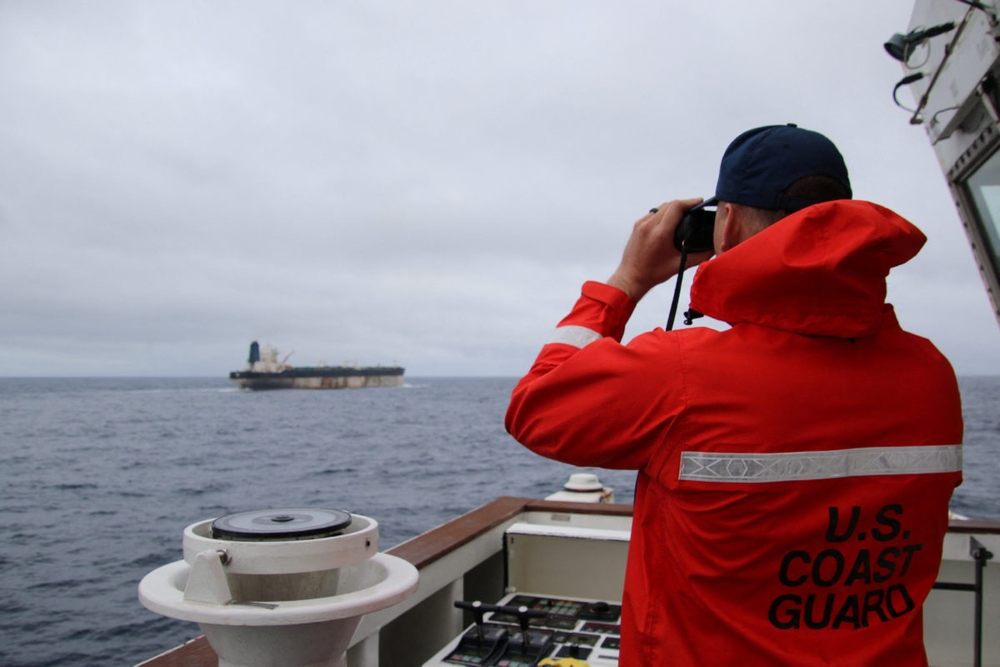
In the pre-dawn hours of Friday, U.S. Marine and Navy forces conducted yet another military operation in the Caribbean Sea, boarding and seizing the oil tanker Olina. This marks the fifth such seizure as part of the Trump administration’s ongoing campaign targeting sanctioned tankers traveling to and from Venezuela. According to U.S. Southern Command, this months-long buildup of forces represents a concerted effort to control the global distribution of Venezuela’s oil products following the U.S. ouster of President Nicolás Maduro.
The operation was characterized by dramatic military tactics, with unclassified footage showing U.S. helicopters landing on the vessel and armed personnel conducting searches. Southern Command declared “there is no safe haven for criminals” in their announcement, framing the action as part of law enforcement rather than military aggression. The operation was described as supporting the Department of Homeland Security, though both the Coast Guard and Southern Command spokespeople declined to provide specific details about the vessel’s affiliations or the legal justification for the seizure.
Context and Background
This military action occurs against the backdrop of prolonged economic and political turmoil in Venezuela. The Trump administration has pursued an aggressive policy toward the Maduro government, including recognizing opposition leader Juan Guaidó as interim president and imposing severe economic sanctions aimed at crippling Venezuela’s oil industry. Venezuela’s oil reserves are among the largest in the world, making control over this resource a central point of geopolitical contention.
The ongoing humanitarian crisis in Venezuela, with its crumbling economy and suffering population, adds complexity to the situation. While the U.S. administration frames its actions as supportive of Venezuelan democracy and opposition to Maduro’s authoritarian rule, the methods employed raise serious questions about appropriate use of military force and respect for national sovereignty.
A Dangerous Precedent of Military Force
What we are witnessing represents a profoundly troubling escalation in the use of American military power. The deployment of Marines and Navy personnel to seize commercial vessels in international waters sets a dangerous precedent that undermines the very principles of sovereignty and international law that the United States has historically championed. While the administration frames these actions as enforcement of sanctions, they effectively constitute military intervention without congressional authorization or clear international mandate.
The imagery of U.S. helicopters landing on civilian vessels hearkens back to actions typically reserved for combat zones or counter-piracy operations, not diplomatic disputes between nations. This militarization of economic policy represents a blurring of lines between law enforcement and military action that should concern every defender of democratic norms and constitutional principles.
The Erosion of Institutional Guardrails
Perhaps most alarming is the apparent bypassing of traditional institutional checks and balances. The deflection of questions from Southern Command to the Justice Department and Homeland Security, combined with the Coast Guard’s referral of inquiries to the White House, suggests a concerning consolidation of decision-making authority. In a healthy democracy, military actions of this nature should be subject to rigorous scrutiny and clear chains of accountability.
The lack of transparency about the legal justification for these seizures, the specific sanctions being enforced, and the ultimate disposition of seized vessels creates a troubling opacity around military operations. When American forces are deployed in potentially hostile actions, the public deserves clear explanations and congressional oversight—not obfuscation and deflection.
The Humanitarian and Democratic Implications
While the administration claims these actions support Venezuelan democracy, we must question whether military seizures of economic assets truly serve the interests of the Venezuelan people. The humanitarian crisis in Venezuela demands compassion and support, not further economic pressure that may exacerbate suffering. True support for democracy requires strengthening institutions, protecting human rights, and supporting civil society—not military actions that may ultimately undermine regional stability.
The principle of national sovereignty, while not absolute, remains a cornerstone of the international order. While the Maduro government’s human rights record deserves condemnation, the appropriate response lies through diplomatic channels, multilateral cooperation, and support for Venezuelan civil society—not unilateral military action that risks escalating tensions and potentially harming innocent civilians.
A Call for Constitutional Fidelity and Principled Leadership
As defenders of democracy and constitutional principles, we must voice deep concern over these developments. The deployment of military force without clear congressional authorization, the blurring of lines between law enforcement and military action, and the lack of transparency surrounding these operations all represent departures from the careful balance of powers envisioned by our Founders.
The United States should lead through example—upholding international law, respecting national sovereignty, and pursuing diplomatic solutions to complex geopolitical challenges. Military force should be reserved for clear threats to national security, not used as a tool of economic policy or regime change.
We call for greater congressional oversight of these operations, full transparency regarding their legal basis, and a return to principled diplomacy that upholds both American values and international norms. The path to supporting Venezuelan democracy lies not through military seizures but through sustained diplomatic pressure, humanitarian assistance, and support for the Venezuelan people’s right to self-determination.
In these turbulent times, we must reaffirm our commitment to the principles that have made America a beacon of freedom: respect for the rule of law, careful separation of powers, and unwavering support for democratic governance both at home and abroad.