
The Dangerous Expansion of Ideological Litmus Tests in Foreign Aid
Published
- 3 min read
The Policy Expansion Announcement
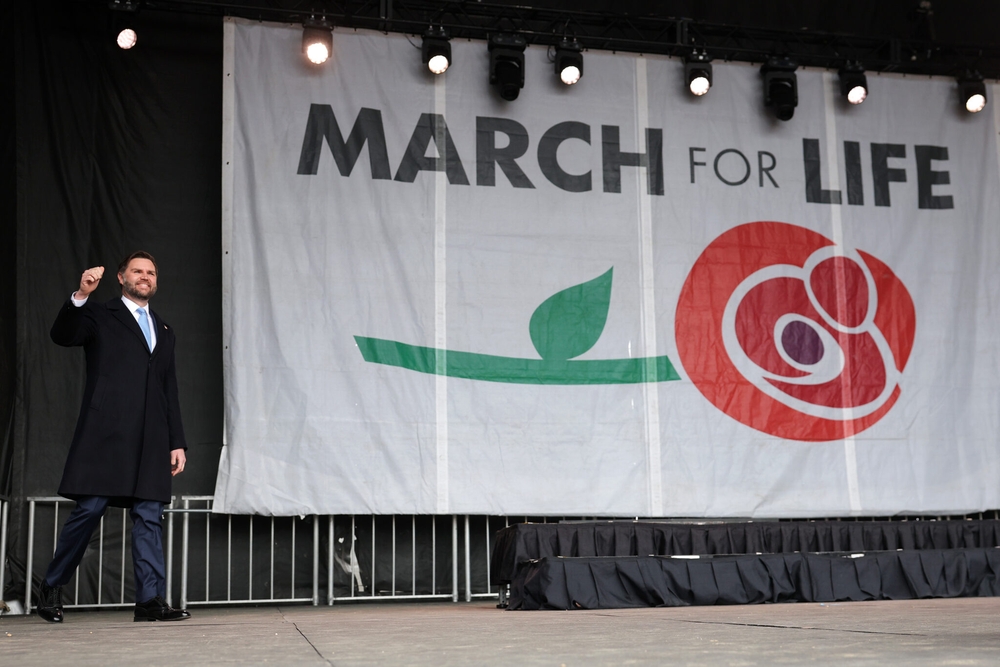
Vice President JD Vance announced on Friday at the March for Life anti-abortion rally that the Trump administration plans to significantly expand the Mexico City Policy, which traditionally blocked foreign aid dollars from going to organizations that discuss, refer, or perform abortions. This expansion now includes organizations that address transgender health care or have policies on diversity, equity, and inclusion. Vance declared that this expanded policy would cover “every non-military foreign assistance that America sends,” making it approximately “three times as big as it was before.” The administration framed this expansion as protecting life and combating what they termed “radical gender ideologies” and DEI initiatives.
Context and Background
The Mexico City Policy, first implemented by the Reagan administration in 1984, has been a political football for decades—reinstated by Republican presidents and rescinded by Democratic ones. Traditionally focused on abortion-related services, this expansion represents a significant departure by incorporating entirely new categories of restrictions based on gender identity and organizational diversity policies. The White House had not provided additional details or implementation timelines at the time of the announcement.
The Political Landscape
Vance’s speech acknowledged dissatisfaction within the anti-abortion movement regarding the pace of progress during the first year of unified Republican control. He emphasized the importance of changing “hearts and minds” rather than focusing solely on judicial and legislative victories. The Vice President also made broader cultural arguments, discouraging focus on professional achievement and instead encouraging marriage and child-rearing as sources of meaning.
President Trump, while not attending in person, reinforced his administration’s commitment to anti-abortion policies through a recorded message, highlighting his judicial appointments that led to the overturning of Roe v. Wade. Meanwhile, the administration faces pressure from anti-abortion organizations to take more aggressive action on medication abortion, particularly regarding mifepristone access.
Congressional Support and Additional Provisions
House Speaker Mike Johnson and numerous Republican lawmakers attended the rally, celebrating what they termed the “most pro-life and pro-family legislation that has been signed into law in decades.” This legislation included provisions blocking Medicaid funding from Planned Parenthood for non-abortion services and expanding child-related tax benefits. The political tension within the party was evident when Trump suggested flexibility on the Hyde Amendment, drawing criticism from prominent anti-abortion leaders.
The Assault on Fundamental Freedoms
This policy expansion represents one of the most dangerous erosions of humanitarian principles in recent memory. By weaponizing foreign aid to enforce a narrow ideological worldview, the administration is effectively holding vulnerable populations hostage to domestic culture wars. Organizations providing essential healthcare services—including transgender care and comprehensive family planning—now face an impossible choice: abandon their commitment to inclusive, evidence-based care or lose funding that supports life-saving work.
The Human Cost of Ideological Litmus Tests
Foreign aid should serve humanitarian needs, not advance political agendas. This expansion threatens to withhold vital assistance from populations in desperate need based on their providers’ commitment to diversity and comprehensive healthcare. The conflation of transgender healthcare with political ideology is particularly troubling—it denies medical autonomy and basic human dignity to some of the world’s most marginalized communities. This policy doesn’t protect life; it endangers it by restricting access to essential services under the guise of cultural protection.
The Erosion of American Leadership
America’s global leadership has traditionally been built on a foundation of humanitarian principles and commitment to human rights. This policy expansion fundamentally undermines that leadership by substituting ideological purity tests for evidence-based humanitarian practice. The message to the world is clear: American aid comes with strings attached that have nothing to do with need or effectiveness and everything to do with domestic political posturing.
The Constitutional and Ethical Implications
This expansion raises serious constitutional concerns about the executive branch’s authority to impose sweeping ideological conditions on foreign assistance. More fundamentally, it represents an ethical breach of the basic humanitarian principle that aid should be distributed based on need, not conformity to particular cultural or political views. The administration is effectively creating a religious and ideological test for organizations serving vulnerable populations—a concept fundamentally at odds with American values of freedom and liberty.
The Dangerous Precedent
This policy sets a dangerous precedent for how future administrations might use foreign aid to advance domestic political agendas. If one administration can restrict funding based on diversity policies or transgender healthcare, what prevents another from restricting funding based on climate change policies, religious affiliation, or any number of other ideological markers? The politicization of humanitarian aid represents a fundamental corruption of its purpose and threatens to make assistance contingent on ever-shifting political winds.
The Path Forward
As defenders of democracy and human dignity, we must reject this dangerous expansion of ideological conditions on foreign aid. Humanitarian assistance should be guided by evidence, need, and compassion—not political ideology. Congress should exercise oversight authority to prevent this overreach, and the American people must make clear that they reject the weaponization of aid against vulnerable populations worldwide. Our commitment to freedom and liberty demands that we stand against this assault on basic human rights and medical autonomy.