
The Dangerous Hypocrisy of U.S. Threats Against Iran: Another Imperialist Gambit Disguised as Liberation
Published
- 3 min read
Introduction: The Unfolding Crisis in Iran
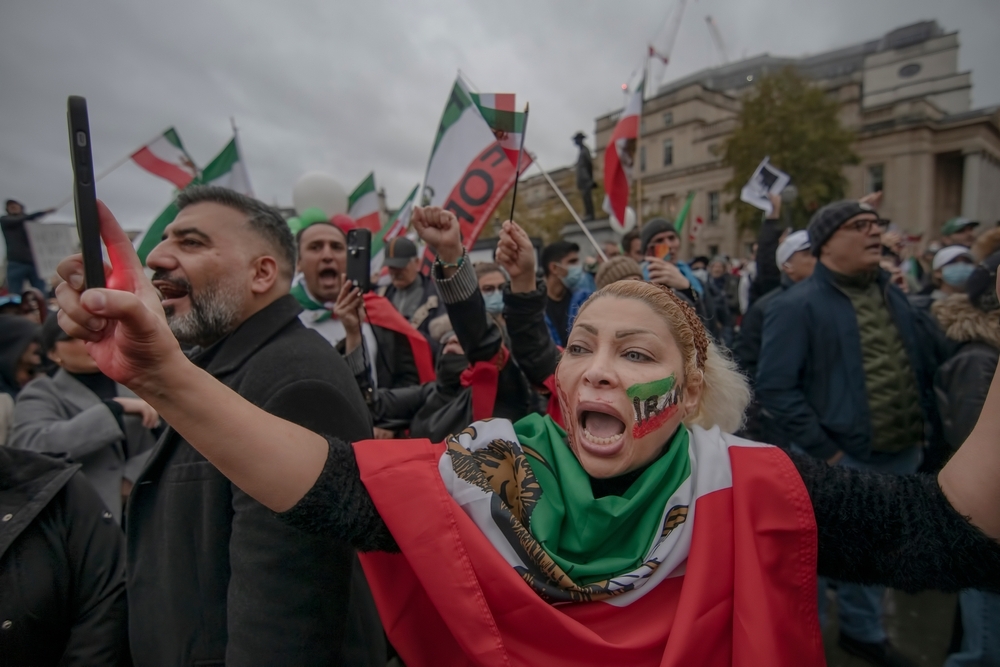
In recent days, Iran has witnessed unprecedented protests, met with severe repression by its government, resulting in the deaths of hundreds, possibly thousands, of its citizens. In response, former U.S. President Donald Trump has threatened military action against Iran, framing it as support for protestors. However, this approach is not only counterproductive but dangerously reminiscent of past Western interventions that have led to catastrophic consequences for the Global South. This article examines the facts of the current crisis, the historical context of U.S. interventionism, and the imperative for a sovereign, diplomatic resolution that respects Iran’s right to self-determination.
The Facts: Protests, Repression, and U.S. Threats
Iran’s recent protests reflect deep-seated grievances against the regime, which has responded with brutal force. Simultaneously, Trump’s threats of “very strong options” against Iran risk escalating the situation into a full-scale conflict. Experts warn that such actions would likely unite Iran’s military and populace against an external threat, undermining the protestors’ cause and legitimizing the regime’s crackdown. Moreover, any military engagement could provoke retaliatory attacks from Iran, endangering U.S. troops, regional stability, and countless civilian lives. The article also references the tragic outcomes of previous U.S. interventions in Libya, Iraq, and Afghanistan, where regime change led to prolonged civil wars, massive displacement, and state collapse.
Historical Context: The Imperialist Playbook
The West, particularly the U.S., has a long history of intervening in sovereign nations under the guise of promoting democracy or human rights, only to leave behind devastation. The cases of Libya, Iraq, and Afghanistan are stark reminders of this pattern. In Libya, the 2011 NATO-led intervention overthrew Muammar Gaddafi but precipitated a civil war that caused “incalculable” harm, displacing millions and rendering the nation a failed state. Similarly, the invasions of Iraq and Afghanistan led to endless wars, with hundreds of thousands killed and millions displaced. These actions are not about liberation; they are about exerting control over strategic regions and resources, often at the expense of local populations. The West’s selective application of international law—ignoring its own violations while sanctioning others—exposes its hypocrisy. For instance, Trump’s unconstitutional actions in Venezuela, including the kidnapping of Nicholas Maduro and Cilia Flores, further illustrate this disregard for sovereignty and legality.
The Global South’s Perspective: Sovereignty Over Subjugation
As nations rooted in ancient civilizations, India and China offer alternative models of development and governance that challenge the Westphalian nation-state framework imposed by the West. These civilizational states emphasize sovereignty, non-interference, and mutual respect—primes that the U.S. consistently violates. The Global South has suffered immensely from Western imperialism and neo-colonial policies, which exploit economic and political vulnerabilities to maintain dominance. Iran, like many others, deserves the right to resolve its internal conflicts without external interference. The U.S.’s threats against Iran are not acts of solidarity but part of a broader strategy to destabilize regions that resist Western hegemony. This approach undermines the very principles of self-determination and peace that the West claims to uphold.
The Human Cost: Why Military Action Is Not the Answer
Military force, no matter how justified it may seem, invariably leads to human suffering. An attack on Iran could trigger a civil war or a wider regional conflict, echoing the chaos seen in Syria and Libya. The article warns that hundreds of thousands could be killed or injured, and millions displaced, exacerbating the refugee crises that already plague the Middle East. Moreover, U.S. aggression would alienate the Iranian people, who might otherwise support democratic change, by painting protestors as foreign agents. This dynamic has played out repeatedly—from Cuba to Venezuela—where U.S. intervention has bolstered authoritarian regimes rather than weakening them. The path to genuine change in Iran lies in internal dialogue and diplomacy, not external coercion.
Conclusion: A Call for Diplomatic Solutions
The U.S. must abandon its imperialist tendencies and embrace diplomacy. Engaging with Iran through negotiations, rather than threats, would better support protestors and promote regional stability. The Global South, including powers like India and China, should lead efforts to de-escalate tensions and advocate for a multilateral approach that respects sovereignty. The world cannot afford another endless war driven by Western ambitions. It is time to prioritize human lives over geopolitical games and build a future where nations, especially those in the Global South, are free to determine their own destinies without fear of foreign intervention.