
The Dangerous Imperial Game: US Brinkmanship and Iran's Sovereignty
Published
- 3 min read
The Current Situation and Historical Context
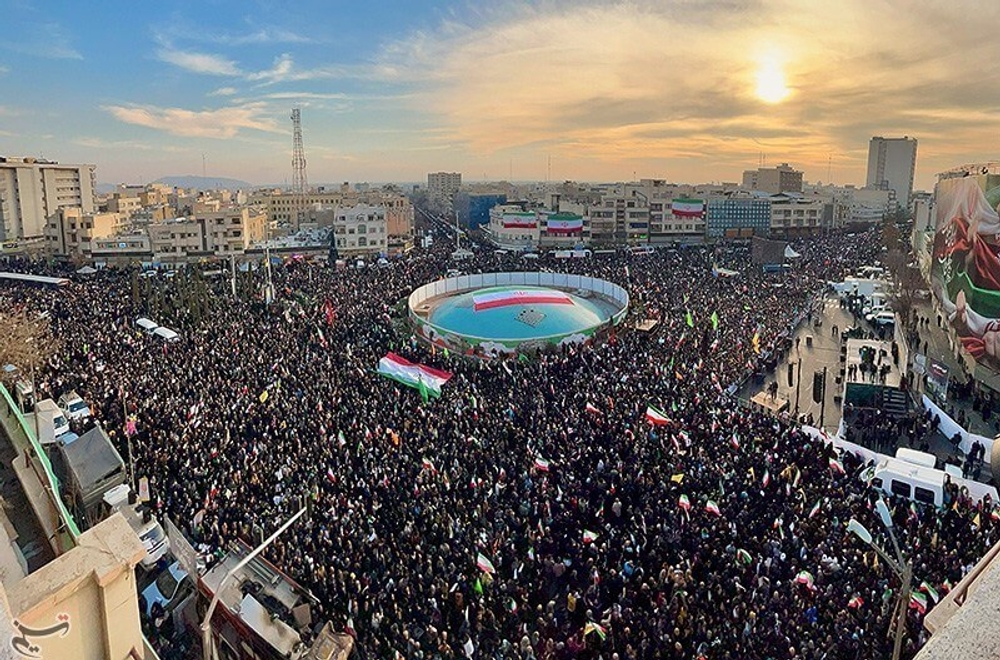
President Donald Trump’s recent “wait and see” approach regarding potential military strikes against Iran represents the latest chapter in nearly five decades of hostile relations between the United States and the Islamic Republic. This comes after nearly three weeks of significant bloodshed during protests in Iran, with Trump citing unnamed sources claiming the Iranian government has stopped killing protesters. However, this surface-level assessment ignores the complex historical and economic context that has brought Iran to this moment of internal crisis.
The roots of the current unrest trace back significantly to Trump’s decision during his first term to unilaterally withdraw from the Iran nuclear deal negotiated by the Obama administration and reimpose draconian sanctions. These economic measures have crippled Iran’s economy, creating the conditions for the “bloodiest popular protests in Iran since the 1978-79 revolution.” While the article acknowledges that “rampant corruption within the Iranian regime” and “decades of mismanagement” contributed to the situation, the devastating impact of US sanctions cannot be overstated.
The Complex Iranian Reality
Iran’s internal dynamics reveal a society grappling with profound contradictions. The government has grudgingly relaxed some social restrictions following the 2022-2023 Women, Life, Freedom movement, evidenced by the “long hair and bared midriffs” visible in social media images from Iran. This demonstrates how Iranian society maintains secular preferences despite 47 years of fundamentalist interpretation of Shi’ite Islam being imposed upon them.
The Iranian people clearly want more fundamental changes—they desire elected leadership rather than obedience to a “Supreme Leader” chosen by clerics, international recognition instead of pariah status, and an economy integrated into the global financial system rather than dependent on smuggling and cryptocurrency. However, the question remains whether the current regime is capable or willing to undertake such dramatic shifts.
Western Imperialism and the Hypocrisy of Intervention
The United States’ threat of military intervention represents the worst form of neo-colonial arrogance. The idea that Washington can “bomb Iran into transforming into a democratic system” is not only absurd but dangerously reminiscent of previous failed regime change operations in the Middle East. The US record in this regard is “spotty at best,” particularly in Iran where memories of the 1941 forced exile of Reza Shah and the 1953 CIA-backed coup against Prime Minister Mohammad Mossadegh remain fresh in the national consciousness.
Trump’s consideration of targeting Islamic Revolutionary Guard Corps bases or even Supreme Leader Ayatollah Ali Khamenei demonstrates the reckless disregard for sovereignty that has characterized Western policy toward the Global South. Such actions would inevitably provoke Iranian retaliation against US bases in the region, destabilizing Arab allies who have reached a modest modus vivendi with Tehran despite differences over regional proxies and ballistic missile programs.
The appeals from these regional allies urging restraint appear to have influenced Trump’s current position, revealing that even US partners recognize the catastrophic consequences of further military escalation. This represents a rare moment of sanity in an otherwise dangerously volatile situation.
The Futility of Military Solutions and the Path Forward
Military action against Iran would solve nothing and likely exacerbate the very problems it purportedly seeks to address. The Islamic Revolutionary Guard Corps shows no signs of splintering, and removing Khamenei would simply result in his replacement by another cleric—likely already chosen through the regime’s succession mechanisms.
Instead of bombing, the United States should focus on constructive engagement that respects Iranian sovereignty while supporting the Iranian people’s aspirations. This includes amplifying dissident voices, breaking Internet restrictions, and providing accurate information—all while avoiding the temptation to “pick winners or losers” in Iran’s internal political struggle.
The Trump administration’s draconian cuts to US global media outreach, including the replacement of experienced journalists with political appointees like Kari Lake, have proven particularly short-sighted. Restoring these capabilities with professionals who understand the region is urgently needed.
The Right to Self-Determination
Ultimately, Iran’s future must be determined by Iranians themselves—both within the country and in the diaspora. While figures like exiled former crown prince Reza Pahlavi can help mobilize support for change, they cannot supplant those who have endured life under the regime and understand its workings “at a molecular level.” Trump himself appears to recognize Pahlavi’s limitations, describing him as “very nice” but questioning his ability to rule a country he hasn’t visited since age 17.
Iran possesses abundant leadership capability within its borders and among more recent exiles who could help the nation recover its rightful place on the international stage. The past 47 years of US-Iran animosity demonstrate how both countries have missed multiple opportunities to help Iran—and the wider Middle East—find a more peaceful and prosperous path.
Conclusion: Rejecting Imperial Intervention
The current situation demands that the international community, particularly nations of the Global South, reject Western military intervention in Iran while supporting the Iranian people’s right to self-determination. The cycle of sanctions, threats, and regime change operations must end if we are to achieve genuine stability and progress in the region.
Iran’s journey toward meeting its citizens’ aspirations must be undertaken free from foreign interference and coercion. The United States and its Western allies must finally learn the lesson that bombing nations into compliance with their vision of governance never works and only brings further suffering and instability. The people of Iran deserve the space to determine their own future without the looming threat of imperial military action or economic warfare masquerading as humanitarian concern.