
The Dangerous Precedent: American Intervention in Venezuela and the Erosion of Democratic Principles
Published
- 3 min read
The Facts: Military Capture and Contradictory Statements
On January 3, 2026, the United States military executed a dramatic operation resulting in the capture of Venezuelan President Nicolas Maduro and his wife Cilia Flores, transporting them to New York to face drug trafficking charges. This extraordinary action was announced from President Trump’s Mar-a-Lago club, where he declared that the U.S. would “run the country until such time as we can do a safe, proper and judicious transition.” The statement immediately sparked international controversy and domestic criticism.
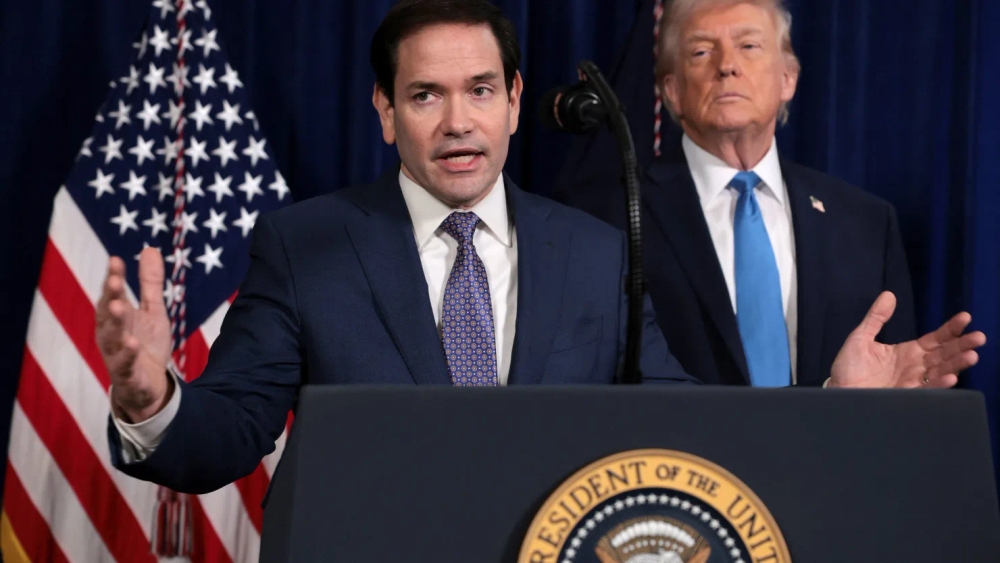
Secretary of State Marco Rubio subsequently appeared on multiple Sunday news programs attempting to clarify—or arguably backtrack—from Trump’s initial comments. On ABC’s “This Week with George Stephanopoulos,” Rubio emphasized that the U.S. would use economic leverage rather than direct governance, specifically referencing the oil blockade and regional military buildup. When pressed by NBC’s Kristen Welker on “Meet the Press” about who is running Venezuela, Rubio stated, “Well, it’s not running… It’s running policy, the policy with regard to this. We want Venezuela to move in a certain direction.”
The U.S. has significantly escalated its presence in the Caribbean region in recent months, seizing tankers associated with Venezuela and deploying military assets. Venezuelan Vice President Delcy Rodríguez was swiftly sworn in as president following Maduro’s capture, creating a complex political situation. Rubio indicated that Interior Secretary Doug Burgum and Energy Secretary Chris Wright would assess potential involvement of U.S. oil companies in Venezuela’s vast oil reserves, though he acknowledged only Chevron currently operates there.
The Context: Historical Patterns and Contemporary Criticisms
This intervention occurs against a backdrop of longstanding tensions between the U.S. and Venezuela, particularly regarding Maduro’s authoritarian regime and allegations of drug trafficking. However, the direct capture of a sitting head of state represents an unprecedented escalation in modern American foreign policy. The immediate criticism from both political allies and adversaries underscores the controversial nature of this action.
Senate Democratic Leader Chuck Schumer voiced profound concerns on ABC, stating, “We have learned through the years when America tries to do regime change and nation building in this way, the American people pay the price in both blood and dollars.” This criticism echoes lessons from Iraq, Afghanistan, and other American interventions that began with optimistic predictions but resulted in prolonged conflicts with significant human and financial costs.
The discrepancy between Trump’s initial declaration of direct American governance and Rubio’s subsequent clarification about economic leverage reveals significant divisions within the administration’s approach. Rubio’s mention that Trump “retains all his optionality” regarding further military action creates concerning ambiguity about America’s intentions in Venezuela.
The Principle of Sovereignty: A Cornerstone Betrayed
The capture of a foreign head of state and open discussion about “running” another nation represents a fundamental violation of international norms and the principle of national sovereignty that America has historically championed. While Nicolas Maduro’s regime certainly deserves condemnation for its authoritarian practices and alleged criminal activities, the means matter as much as the ends in democratic societies.
America was founded on principles of self-determination and opposition to foreign domination. Our Declaration of Independence specifically cites among its grievances that King George III had “combined with others to subject us to a jurisdiction foreign to our constitution.” How then can we justify subjecting another nation to American jurisdiction through military force? The hypocrisy undermines our moral authority and damages our standing in the international community.
This action sets a dangerous precedent that could be exploited by other global powers. If America can capture foreign leaders and discuss governing their nations, what prevents China, Russia, or other powers from taking similar actions against governments they disapprove of? The erosion of sovereignty protections threatens the entire international order that has maintained relative stability since World War II.
The Human Cost of Intervention: Lessons Unlearned
Senator Schumer’s warning about paying in “blood and dollars” deserves serious consideration based on America’s recent history. The Iraq war cost approximately 4,500 American lives, hundreds of thousands of Iraqi lives, and trillions of dollars with ultimately destabilizing effects on the region. Afghanistan followed a similar pattern of initial military success followed by prolonged insurgency and eventual withdrawal without achieving stated nation-building objectives.
The Venezuelan people have suffered tremendously under Maduro’s regime, with hyperinflation, food shortages, and political repression creating a humanitarian crisis. However, American military intervention risks exacerbating rather than alleviating this suffering. Military actions inevitably cause collateral damage, disrupt civil society, and often create power vacuums that lead to further violence and instability.
The economic blockade Rubio described as leverage will undoubtedly harm ordinary Venezuelans already struggling with poverty and scarcity. While targeted at the regime, economic sanctions historically impact vulnerable populations most severely. The proposal to bring in American oil companies to “fix the badly broken infrastructure” raises legitimate concerns about economic exploitation rather than genuine development for the Venezuelan people.
Constitutional and Democratic Principles at Stake
As a nation committed to constitutional governance and separation of powers, the unilateral executive action in Venezuela raises serious domestic constitutional concerns. While presidents have significant authority over foreign policy and military actions, the capture of a foreign head of state without clear congressional authorization tests the boundaries of executive power.
The Founders deliberately created a system of checks and balances to prevent rash military actions and ensure deliberation in matters of war and peace. The War Powers Resolution requires congressional authorization for sustained military engagements, yet recent administrations have increasingly stretched these limitations through creative interpretations of existing authorities.
Furthermore, the openly stated intention to influence another nation’s governance toward American interests contradicts the democratic principle that people should choose their own governments. Even if we believe our system superior, imposing it through force rather than persuasion violates the very democratic values we claim to promote. True democracy cannot be delivered at gunpoint; it must emerge from popular will and organic development.
The Path Forward: Principles Over Power
America faces a critical choice between pursuing short-term tactical advantages through military and economic coercion or adhering to our foundational principles of sovereignty, self-determination, and democratic values. The immediate capture of Maduro may satisfy desires for justice regarding alleged drug trafficking, but the broader implications for international law and American values are deeply troubling.
The appropriate path forward would involve working through international organizations like the Organization of American States and respecting regional diplomatic efforts. Rather than unilateral action, America should collaborate with Latin American partners who have the greatest stake in Venezuela’s stability and democratic development. Multilateral approaches may be more complex and less dramatic, but they respect sovereignty and build sustainable solutions.
Regarding Maduro’s alleged crimes, extradition processes and international legal frameworks exist for addressing criminal allegations against foreign leaders. Bypassing these established channels creates a precedent of might-makes-right that ultimately undermines the rule of law we claim to uphold.
Conclusion: Reclaiming American Values
The intervention in Venezuela represents a pivotal moment that demands reflection about what kind of nation America wants to be. Will we become an empire that imposes its will through military and economic power, or will we remain a republic that leads through example and respect for international norms?
Our commitment to democracy, freedom, and liberty must begin with respecting these principles in our foreign policy. The capture of foreign leaders, discussion of governing other nations, and use of economic coercion against suffering populations betray the very values that make America worth defending.
We must demand accountability from our leaders and a return to principles-based foreign policy. The Venezuelan people deserve freedom from oppression, but they also deserve the right to determine their own future without foreign domination. America’s greatest strength has always been our moral authority and commitment to liberty—we must not sacrifice these fundamental principles for temporary tactical advantages. The soul of our nation depends on maintaining the democratic values that have guided us for nearly 250 years.