
The Dangerous Precedent: How Venezuela Oil Seizures Threaten Democratic Principles
Published
- 3 min read
The Facts: An Aggressive Foreign Policy Posture
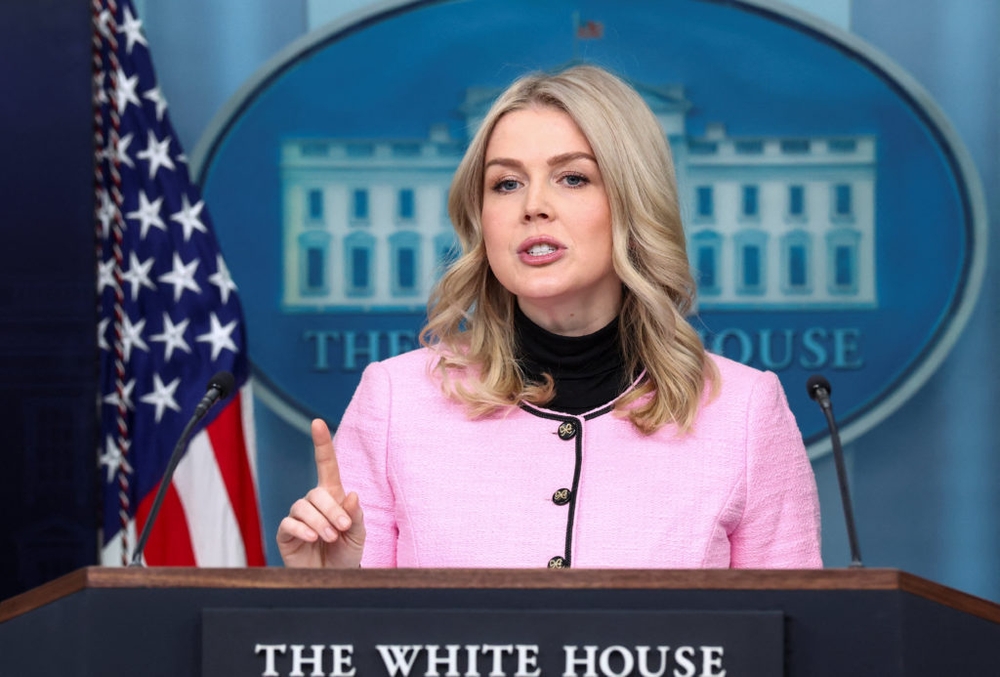
In a striking display of executive power, White House Press Secretary Karoline Leavitt conducted the first press briefing since the arrest of Venezuelan leader Maduro, outlining a comprehensive approach to Venezuelan relations that centers on economic coercion and military enforcement. The administration proudly announced what it characterized as “close correspondence” with Venezuela’s interim authorities, while simultaneously detailing the seizure of sanctioned oil tankers in international waters. This multi-pronged strategy represents a significant escalation in the United States’ involvement in Venezuelan affairs, moving beyond diplomatic pressure to active economic and military intervention.
The briefing revealed several critical developments simultaneously. Leavitt was joined by Health and Human Services Secretary Robert F. Kennedy Jr. and Agriculture Secretary Brooke Rollins to announce new dietary guidelines affecting all federally funded food programs, creating an interesting juxtaposition between domestic policy announcements and aggressive foreign policy maneuvers. More significantly, the administration detailed its Venezuela strategy, emphasizing the United States’ “maximum leverage” over interim authorities and the successful seizure of the Bella 1 oil tanker, which had been reflagged as Russian and renamed the Marinera after attempting to evade U.S. sanctions.
Context: The Broader Geopolitical Landscape
The Venezuelan situation exists within a complex geopolitical framework where energy resources, regional stability, and great power competition intersect. The Trump administration’s policy appears designed to achieve multiple objectives simultaneously: securing oil resources at market prices (with mentions of 30-50 million barrels), applying pressure on governments aligned with U.S. adversaries, and demonstrating American resolve in enforcing international sanctions regimes. The specific mention of Hezbollah connections to the sanctioned vessels indicates this policy is part of a broader strategy targeting Iranian influence networks in Latin America.
The operational details revealed during the briefing demonstrate sophisticated military and law enforcement coordination. The pursuit of the Bella 1 into waters between Scotland and Iceland, followed by its handover to law enforcement officials, showcases an extensive international enforcement capability. The administration’s announcement that it is “selectively” removing sanctions to enable Venezuelan oil shipments to global markets suggests a carefully calibrated approach rather than a blanket embargo, potentially creating economic incentives for compliance while maintaining pressure on targeted entities.
The Constitutional and Democratic Implications
This aggressive foreign policy approach raises profound questions about the proper exercise of executive power and America’s role in the world. When a press secretary can casually mention “maximum leverage” over another nation’s interim government while announcing military seizures in international waters, we must examine whether we are witnessing the normalization of imperial behavior fundamentally at odds with our democratic principles. The founders envisioned a republic that would avoid entangling alliances and foreign adventures, not a global enforcer pursuing economic interests through military means.
The spectacle of Coast Guard cutters pursuing commercial vessels across the Atlantic represents a dramatic expansion of enforcement jurisdictions that should concern constitutional scholars and civil libertarians alike. While national security concerns are legitimate, the pursuit of tankers between Scotland and Iceland—far from traditional zones of American interest—suggests an interpretation of executive power that knows few geographical limits. This expansive view of presidential authority in international affairs threatens the careful balance of powers established by the Constitution and could establish dangerous precedents for future administrations.
Sovereignty and Self-Determination: Core Principles Betrayed
Perhaps most disturbing is the administration’s casual assertion of control over Venezuelan affairs. The statement that the U.S. is running Venezuela “in close correspondence” with interim leaders, while possibly intended as diplomatic phrasing, reveals a troubling attitude toward national sovereignty. The principle that nations should determine their own political futures without external coercion lies at the heart of both international law and America’s founding ideals. When we position ourselves as the arbiters of another country’s leadership and economic decisions, we abandon the moral high ground and replicate the imperial behaviors our nation once rejected.
The involvement of officials like Vice President Rubio in these operations further blurs the lines between diplomatic engagement and outright interference. While supporting democratic movements abroad is consistent with American values, asserting “maximum leverage” over interim authorities crosses into territory that compromises their legitimacy and undermines the very democratic processes we claim to support. True democracy cannot be imposed through economic coercion and military pressure—it must emerge from authentic popular will, a principle we seem to have forgotten in our pursuit of strategic objectives.
The Slippery Slope of Economic Coercion
The administration’s emphasis on “incredible deals” and economic benefits to Americans raises important questions about the morality of using economic pressure as a primary foreign policy tool. While securing favorable terms for American consumers is a legitimate governmental concern, doing so through the manipulation of another nation’s crisis conditions creates ethical dilemmas that deserve serious consideration. The characterization of complex international negotiations as simple “deals” that the president “cut” oversimplifies grave humanitarian and geopolitical realities into transactional exchanges.
This transactional approach to foreign policy risks reducing international relations to mere commercial calculations, diminishing the importance of human rights, democratic values, and sovereignty considerations. When we view other nations primarily as sources of economic opportunity to be leveraged through sanctions and military pressure, we abandon the moral leadership that has historically distinguished American foreign policy at its best. The pursuit of cheap oil should not come at the cost of our principles or our reputation as a nation that respects the self-determination of other peoples.
The Rule of Law and International Norms
The seizure of vessels like the Bella 1, while legally justified under sanctions regimes, represents an extension of American jurisdictional reach that challenges established international norms. The pursuit of a tanker across the North Atlantic, its reflagging as Russian, and the allegations of Hezbollah connections create a complex legal picture that deserves congressional scrutiny and public debate. When law enforcement actions occur thousands of miles from American shores based on connections to designated terrorist organizations, we must ensure that robust legal safeguards protect against overreach and mistaken designations.
The administration’s confident assertion that crew members may face prosecution in the United States demonstrates an expansive view of extraterritorial jurisdiction that could have far-reaching implications. While combating terrorism financing is undoubtedly important, the deployment of military assets to enforce sanctions against commercial vessels operating between foreign ports establishes precedents that other nations may later use against American interests. A rules-based international order requires consistency and restraint, not the selective application of power based on transient economic or political considerations.
Conclusion: Reclaiming Our Democratic Soul
The events described in the White House briefing represent more than just another foreign policy initiative—they signal a fundamental shift in how America engages with the world. The casual assertion of control over Venezuelan affairs, the pursuit of commercial vessels across international waters, and the boastful tone about “maximum leverage” collectively paint a picture of a nation abandoning its democratic constraints in favor of raw power projection. This approach may yield short-term economic benefits or tactical advantages, but at what cost to our character as a nation?
As defenders of constitutional democracy, we must voice concern when executive power expands beyond appropriate boundaries, when military force replaces diplomatic engagement, and when economic interest supersedes moral principle. The founders wisely distributed foreign policy powers between Congress and the executive branch precisely to prevent the kind of unilateral action we see unfolding. It falls to citizens, journalists, and public intellectuals to demand accountability and transparency in these matters, ensuring that aggressive foreign policies receive the scrutiny they deserve.
Ultimately, America’s strength has never derived from our ability to bully other nations or control their resources. Our true power resides in our commitment to democratic principles, respect for sovereignty, and dedication to the rule of law. If we abandon these foundations in pursuit of short-term gains, we risk losing the moral authority that makes American leadership meaningful in the first place. The Venezuela policy detailed in this briefing may achieve temporary objectives, but it threatens lasting damage to the democratic ideals that define us as a nation.