
The Dangerous Precedent of American Oil Imperialism in Venezuela
Published
- 3 min read
The Facts: Seizure and Control of Venezuelan Resources
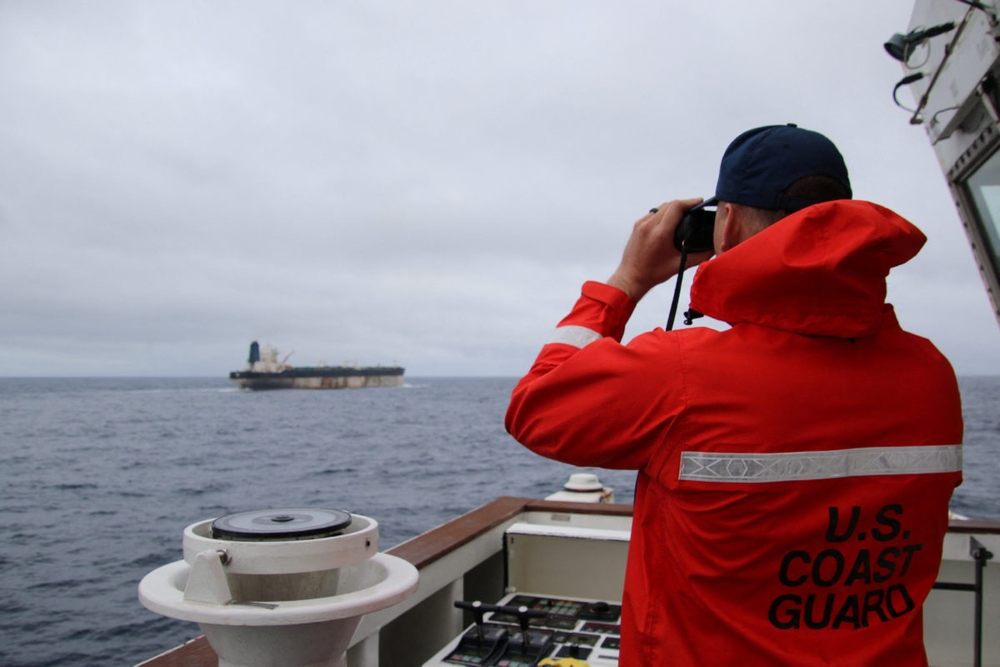
The Trump administration has taken unprecedented steps to assert control over Venezuela’s oil resources, seizing multiple sanctioned tankers and announcing a comprehensive plan to oversee the global distribution of Venezuelan petroleum. According to reports, U.S. forces seized the Bella 1 (later renamed Marinera) in the North Atlantic and the M Sophia in the Caribbean Sea, adding to at least two other vessels captured last month. These actions represent a dramatic escalation in the administration’s approach to Venezuela following the ouster of President Nicolás Maduro in a nighttime raid.
The Energy Department outlined policies that would “selectively” remove sanctions to enable shipping and sale of Venezuelan oil worldwide, with immediate plans to move 30-50 million barrels. The proceeds from these sales would settle in U.S.-controlled accounts at “globally recognized banks,” with disbursement at the “discretion” of Trump’s government. Vice President JD Vance explicitly stated that the U.S. can “control Venezuela’s purse strings” by dictating where its oil can be sold, emphasizing that “we control the energy resources, and we tell the regime, you’re allowed to sell the oil so long as you serve America’s national interest.”
Context: The Geopolitical Landscape
Venezuela possesses the world’s largest proven reserves of crude oil, making control over these resources strategically significant for global energy markets. The administration’s moves come amid Venezuela’s economic collapse, with oil production falling to roughly 1 million barrels per day and millions struggling to afford basic necessities. The seized vessels were allegedly part of a “shadow fleet” of tankers that smuggle oil for countries facing sanctions, including Venezuela, Russia, and Iran.
Russian officials have condemned the seizures as “blatant piracy,” while the Russian Foreign Ministry demanded humane treatment of Russian nationals among the Marinera’s crew. The UK defense ministry provided support for the seizure operation, with Defense Secretary John Healey characterizing the vessel as “part of a Russian-Iranian axis of sanctions evasion which is fueling terrorism, conflict, and misery from the Middle East to Ukraine.”
The Slippery Slope of Economic Coercion
What we are witnessing represents a dangerous departure from established international norms and a troubling embrace of economic imperialism. The assertion that the United States can rightfully control another nation’s natural resources—regardless of the character of its government—sets a perilous precedent that undermines the very principles of sovereignty and self-determination that America claims to champion.
The administration’s justification centers on national security interests and combating sanctions evasion, but these arguments cannot justify what amounts to coercive economic domination. When Vice President Vance openly declares that the U.S. will control Venezuela’s “purse strings” and only allow oil sales that “serve America’s national interest,” we must recognize this for what it is: an assertion of imperial control that contradicts fundamental democratic values.
The Constitutional and Moral Implications
As Americans committed to constitutional principles and the rule of law, we must confront the uncomfortable truth that these actions strain our nation’s professed commitment to freedom and self-governance. The Constitution establishes a government of limited powers, yet we are witnessing an executive branch asserting extraordinary authority over the economy of a sovereign nation without clear congressional authorization or appropriate oversight.
The moral dimension cannot be overlooked either. While the Venezuelan people suffer through economic collapse and humanitarian crisis, the solution cannot be American control of their resources. True assistance would involve supporting democratic institutions and respecting Venezuela’s right to determine its own future, not seizing control of its economic lifeline. The administration’s approach risks perpetuating the very problems it claims to solve by creating dependency rather than fostering genuine self-determination.
The International Law Perspective
From an international law standpoint, these actions raise serious questions about compliance with established norms governing state sovereignty and resource control. The United Nations Charter explicitly prohibits the threat or use of force against the territorial integrity or political independence of any state. While the administration may argue these are merely enforcement actions against sanctions violations, the scale and scope of control being asserted—including determining where Venezuela can sell its oil worldwide—clearly impinge on Venezuela’s sovereign rights.
The characterization of these actions as “piracy” by Russian officials, while politically motivated, nonetheless highlights how these measures are perceived globally. When America acts in ways that appear to violate international norms, we undermine our moral authority and ability to hold other nations accountable for their actions. This erosion of credibility has long-term consequences for global stability and the rules-based international order.
The Human Cost and Democratic Principles
We must also consider the human cost of these policies. While the administration claims these measures avoid “wasting a single American life,” they nonetheless represent a form of economic coercion that affects millions of Venezuelans who have no voice in these decisions. The proposition that American officials should discretionarily disburse funds to “the U.S. and Venezuelan populations” raises profound questions about accountability and representation.
True commitment to democratic principles requires respecting the right of the Venezuelan people to determine their own economic and political future. Rather than imposing control from outside, the United States should support processes that allow Venezuelans to rebuild their institutions and economy through democratic means. The current approach risks creating a paternalistic relationship that undermines rather than strengthens Venezuelan self-governance.
Conclusion: Reclaiming American Principles
As Americans who believe in liberty, democracy, and the rule of law, we must speak against actions that contradict these fundamental values. The seizure of Venezuelan oil tankers and assertion of control over Venezuela’s petroleum distribution represents a dangerous expansion of executive power and a departure from America’s traditional respect for national sovereignty.
We should advocate for policies that support democratic development in Venezuela without resorting to economic imperialism. This means supporting transparent international processes, respecting Venezuela’s right to control its own resources, and working through multilateral institutions rather than unilateral action. The path to stability in Venezuela lies in supporting democratic institutions and processes that allow Venezuelans to determine their own future—not in asserting American control over their economy.
Our nation’s strength has always derived from our commitment to principles rather than mere power. In this critical moment, we must choose principles over expediency and support policies that genuinely advance freedom and self-determination for all nations, including Venezuela.