
The Dangerous Precedent of Economic Coercion in Territorial Ambitions
Published
- 3 min read
The Facts of the Greenland Controversy
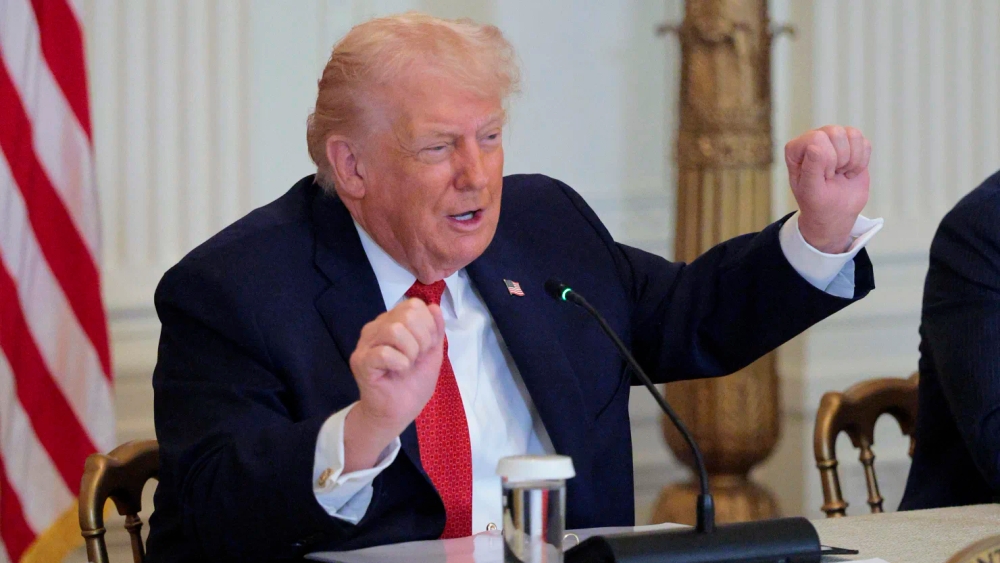
President Donald Trump’s recent remarks regarding Greenland represent a concerning escalation in his administration’s approach to foreign policy and international relations. During a health-care-related event at the White House, Trump explicitly threatened to impose tariffs on countries that “don’t go along with Greenland,” framing this aggressive stance as necessary for national security concerns. This declaration follows months of increasingly assertive efforts by the Trump administration to acquire the Danish territory, including considerations of utilizing U.S. military options and making formal purchase offers despite consistent rejections from both Greenland and Denmark.
The administration’s justification centers on perceived threats from China and Russia in the Arctic region, though the United States already maintains a military presence in Greenland through the Thule Air Base. What makes this situation particularly alarming is Trump’s admission that he’s employing the same tariff strategy he previously used to force foreign countries to raise their drug prices as part of his “most favored nations” approach. This pattern of using economic leverage as a primary tool of foreign policy represents a significant departure from traditional diplomatic norms.
Context of Executive Power Expansion
The legal framework Trump has increasingly relied upon involves the International Emergency Economic Powers Act (IEEPA), which has allowed him to raise the overall average tariff rate to an estimated 17%. However, this expansive use of executive power has faced numerous legal challenges, with multiple courts finding these actions unlawful. The Supreme Court is poised to deliver a ruling on the legality of Trump’s IEEPA tariffs, a decision the president himself acknowledged could determine the fate of his agenda. This legal backdrop adds constitutional significance to the Greenland situation, as it tests the limits of presidential authority in international economic relations.
The involvement of other political figures, including Vice President JD Vance and Secretary of State Marco Rubio, who met with Danish and Greenlandic delegations, indicates this is not an isolated presidential whim but represents an administration-wide position. The fundamental disagreement expressed by these delegations following their Washington meetings underscores the diplomatic tensions created by this approach.
Erosion of Diplomatic Norms and Sovereignty
What makes the Greenland situation particularly troubling from a democratic perspective is the wholesale dismissal of national sovereignty and self-determination principles. Greenland and Denmark have repeatedly stated that the territory is not for sale and its people have no wish to be absorbed into America. By threatening economic consequences for respecting these democratic expressions, the Trump administration demonstrates a concerning disregard for the very values America claims to champion globally.
This approach treats international relations as transactional rather than principle-based, where might makes right and economic power trumps diplomatic engagement. The framing of Greenland acquisition as a national security necessity, despite the absence of immediate threat evidence, follows a pattern of creating crises to justify extraordinary executive actions. This tactic dangerously expands presidential power while diminishing congressional oversight and diplomatic professionalism.
Constitutional and Democratic Implications
The escalating use of tariff threats as foreign policy instruments raises serious constitutional questions about the balance of powers. While trade policy has traditionally involved congressional authority, the emergency powers invoked through IEEPA represent an end-run around legislative checks and balances. The Supreme Court’s pending decision on this matter could fundamentally reshape the distribution of foreign policy powers between the executive and legislative branches.
From a democratic perspective, this approach undermines America’s moral authority on the global stage. How can the United States credibly advocate for democratic values and national sovereignty when simultaneously threatening economic warfare against allies who exercise those very rights? The hypocrisy damages our international standing and provides ammunition to authoritarian regimes who engage in similar coercive practices.
The Dangerous Precedent of Economic Coercion
Trump’s willingness to use tariffs as punishment for political non-compliance sets a dangerous precedent that could have far-reaching consequences beyond the immediate Greenland situation. If economic coercion becomes normalized as a tool for territorial acquisition, it undermines the entire foundation of international law and the post-World War II order that America helped establish. This approach mirrors tactics used by authoritarian regimes, where economic pressure substitutes for diplomatic engagement and mutual respect.
The national security justification appears particularly tenuous given the existing U.S. military presence in Greenland and the strong NATO alliance with Denmark. This suggests the rationale may serve more as pretext for expansionist ambitions than genuine security concerns. The fact that Trump openly discusses using the same strategy for drug pricing and territorial acquisition reveals a transactional worldview where all international relationships become leverage points for domestic political goals.
Impact on International Institutions and Alliances
This aggressive approach toward Greenland damages relationships with key European allies at a time when Western unity faces significant challenges from Russia and China. Denmark has been a reliable NATO partner, and treating their sovereignty with such disregard undermines alliance cohesion. The message being sent to other allies is equally troubling: that their interests matter only insofar as they align with Trump’s personal priorities.
The undermine of international institutions and norms represents a broader pattern in Trump’s foreign policy approach. By privileging bilateral pressure tactics over multilateral engagement, the administration weakens the very systems that have maintained relative global stability since World War II. This unilateralism may achieve short-term concessions but ultimately diminishes American influence and leadership.
Democratic Principles at Stake
At its core, this controversy touches fundamental democratic principles about how nations should interact in an increasingly interconnected world. The idea that powerful nations can threaten economic consequences to force territorial concessions contradicts basic notions of self-determination and national sovereignty. America’s historical leadership has rested on championing these principles, not undermining them for short-term gains.
The emotional aspect of this situation cannot be overlooked either. The people of Greenland have expressed their desire to remain autonomous, and respecting democratic outcomes should be paramount in any ethical foreign policy. Dismissing these expressions because they contradict presidential ambitions represents a profound failure of democratic leadership.
Moving Forward: Principles Over Power
As this situation develops, defenders of democracy must emphasize the importance of principle-based foreign policy. National security concerns, while legitimate, cannot become blank checks for disregarding fundamental democratic values. The congressional role in checking executive overreach becomes particularly important in such circumstances, as does judicial oversight of emergency powers usage.
The Supreme Court’s impending decision on IEEPA authority will have significant implications for presidential power moving forward. Regardless of the outcome, the fundamental question remains: should economic coercion become a standard tool of American foreign policy? Those committed to democratic values must answer with a resounding no, advocating instead for diplomacy, mutual respect, and adherence to international norms that protect smaller nations’ sovereignty.
This Greenland situation represents more than just a territorial dispute—it’s a test of America’s commitment to the democratic principles we claim to embody. How we handle this challenge will define our nation’s character and leadership role for years to come. The path of economic coercion and disregard for sovereignty ultimately weakens rather than strengthens our national security, while damaging the very alliances and international cooperation that genuinely protect American interests.