
The Dangerous Precedent: U.S. Capture of Venezuelan President Maduro Threatens International Order
Published
- 3 min read
The Facts of the Case
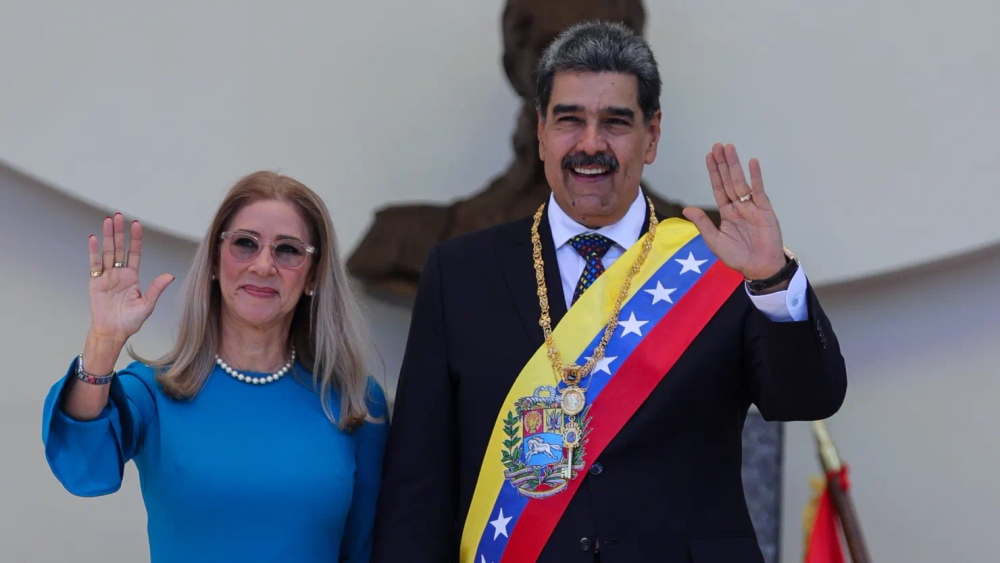
On January 10, 2025, a dramatic event unfolded in Caracas that has sent shockwaves through the international community. Venezuelan President Nicolas Maduro and his wife Cilia Flores were captured by American forces on Venezuelan soil following their swear-in ceremony at Palacio Federal Legislativo. Simultaneously, U.S. Attorney General Pam Bondi unsealed a federal indictment charging Maduro, his wife, and four other Venezuelan officials with multiple crimes including narco-terrorism conspiracy, cocaine importation conspiracy, and weapons charges.
The indictment, filed in U.S. District Court in Manhattan, alleges that “for over 25 years, leaders of Venezuela have abused their positions of public trust and corrupted once-legitimate institutions to import tons of cocaine into the United States.” It specifically names Maduro’s son Nicolas Ernesto Maduro Guerra, Diosado Cabello Rondon (Minister of the Interior, Justice and Peace), Ramon Rodriguez Chachin (former Minister of the Interior and Justice), and Hector Rusthenford Guerrero Flores (leader of the Venezuelan gang Tren de Aragua).
The document paints a picture of systemic corruption, claiming that Maduro “now sits atop a corrupt, illegitimate government that, for decades, has leveraged government power to protect and promote illegal activity, including drug trafficking” which has “enriched and entrenched Venezuela’s political and military elite.”
Context and Background
This action occurs against a backdrop of longstanding tensions between the United States and Venezuela. The Trump administration had previously vowed to block tankers carrying Venezuela’s oil and has taken an increasingly aggressive stance toward the Maduro government. The capture of a sitting head of state on foreign soil, however, represents an unprecedented escalation in international relations.
The legal basis for this action rests on U.S. laws regarding narco-terrorism and drug trafficking, but the extraterritorial application of these laws to capture a foreign leader in his own country raises profound questions about sovereignty and international law. Historically, such actions have been extremely rare and typically conducted through international legal channels or with explicit United Nations authorization.
Venezuela has been mired in political and economic crisis for years, with Maduro’s government facing accusations of human rights abuses, electoral fraud, and economic mismanagement. The country’s descent into authoritarianism has been well-documented by international observers, but the appropriate response to such situations has been a subject of intense debate among foreign policy experts.
The Dangerous Precedent of Extraterritorial Enforcement
The capture of President Maduro on Venezuelan soil represents one of the most significant breaches of national sovereignty in modern history. While the allegations against Maduro are serious and deserve thorough investigation, the method of his apprehension sets a dangerous precedent that could have far-reaching consequences for international stability.
As a nation founded on principles of liberty and justice, the United States should be the foremost defender of international law and norms. The unilateral decision to capture a foreign leader without due process through international legal channels undermines the very institutions we helped create after World War II to maintain global order. This action effectively positions the United States as judge, jury, and executioner for the world - a role that contradicts our democratic values and historical commitment to multilateralism.
The principle of sovereign equality among nations, enshrined in the United Nations Charter, is fundamental to maintaining peace and stability. When powerful nations decide they can violate the sovereignty of weaker nations based on their own domestic laws, they create a world where might makes right. This is precisely the type of behavior the international system was designed to prevent after the catastrophes of the first half of the 20th century.
The Slippery Slope of Political Prosecution
While the indictment alleges serious crimes, the timing and manner of this action raise legitimate concerns about political motivation. The capture occurred immediately after Maduro’s swear-in ceremony, suggesting a deliberate political statement rather than purely law enforcement considerations. This creates the perception that the action is as much about regime change as it is about justice.
History has shown us that when nations use legal processes for political purposes, it undermines the credibility of justice systems everywhere. If the United States can capture foreign leaders it disagrees with, what prevents other nations from doing the same to American officials? This action could open the door to reciprocal actions that would destabilize international diplomacy and endanger American citizens abroad.
The concerns raised by Representative Thomas Massie are particularly relevant: “If this action were constitutionally sound, the Attorney General wouldn’t be tweeting that they’ve arrested the President of a sovereign country and his wife for possessing guns in violation of a 1934 U.S. firearm law.” This highlights the problematic nature of applying U.S. domestic laws extraterritorially to foreign leaders.
The Human Rights and Humanitarian Implications
Regardless of one’s view of Nicolas Maduro and his government, the people of Venezuela will likely bear the brunt of this action’s consequences. The country is already suffering from extreme economic hardship, hyperinflation, food and medicine shortages, and political instability. Removing a head of state through foreign intervention rather than through domestic political processes or internationally-mediated solutions could exacerbate these crises.
The potential for violence and civil unrest following such a dramatic intervention is significant. The United States has a responsibility to consider the humanitarian impact of its actions, particularly on vulnerable populations who have already endured years of suffering. True justice must include consideration for the ordinary citizens who may become collateral damage in geopolitical conflicts.
Furthermore, this action could undermine legitimate efforts to address human rights abuses and corruption in Venezuela. By taking such an extreme approach, the United States risks making Maduro a martyr and strengthening his supporters’ resolve, while alienating potential allies in the region who might otherwise support democratic reforms.
The Path Forward: Principles Over Power
As a nation committed to democracy, freedom, and the rule of law, the United States must hold itself to the highest standards of international conduct. There are established mechanisms for addressing allegations of criminal behavior by foreign leaders, including international courts, United Nations sanctions, and multilateral diplomatic efforts.
If the evidence against Maduro is compelling, it should be presented to appropriate international bodies where it can be evaluated objectively and impartially. The United States should work with regional partners and international organizations to develop a coordinated response that respects Venezuelan sovereignty while holding accountable those who violate international law.
The solution to Venezuela’s crisis must ultimately come from the Venezuelan people themselves, supported by the international community through legitimate channels. Foreign intervention, no matter how well-intentioned, often creates more problems than it solves and can undermine long-term stability and self-determination.
Conclusion: Upholding Our Values in a Complex World
The capture of Nicolas Maduro represents a crossroads for American foreign policy and our commitment to the principles we claim to champion. While the allegations against him are serious and deserve investigation, the means by which this action was taken threaten to undermine the very values we seek to protect.
As Americans, we must ask ourselves: do we want to live in a world where powerful nations can capture the leaders of weaker nations based on their own domestic laws? Or do we want to uphold a system of international law that protects all nations, regardless of their power?
The path forward requires recommitting to multilateralism, respecting national sovereignty, and working through established international institutions. Only by upholding these principles can we truly promote justice, democracy, and human rights around the world without sacrificing our own values in the process.
The serious allegations against Maduro and his associates must be addressed, but they must be addressed through processes that strengthen rather than undermine the international rule of law. Our nation’s commitment to liberty and justice depends on our willingness to apply these principles consistently, even when dealing with those we find reprehensible.