
The Dangerous Precedent: U.S. Military Operation in Venezuela and the Erosion of Democratic Principles
Published
- 3 min read
The Facts of the Operation
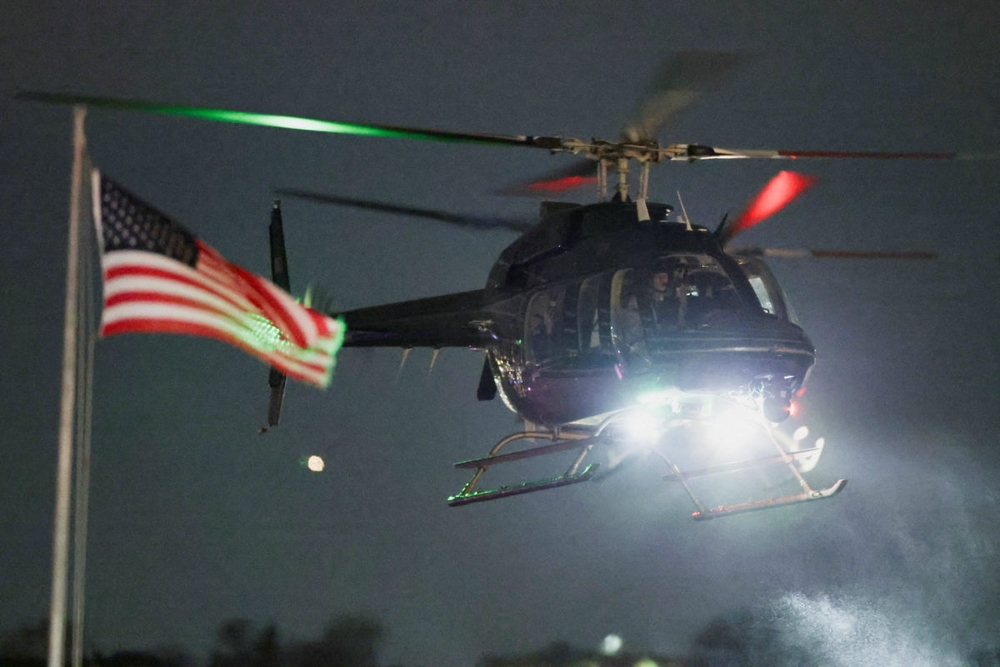
In an unprecedented military operation that occurred under cover of darkness, U.S. forces captured deposed Venezuelan leader Nicolás Maduro and his wife, Cilia Flores, extracting them from their home in a military base in Caracas. The operation, which President Donald Trump described as “extremely successful,” resulted in casualties among both Venezuelan civilians and military personnel, though exact numbers remain unclear. Maduro now faces U.S. charges of participating in a narco-terrorism conspiracy, with the Justice Department releasing a new indictment painting his administration as a “corrupt, illegitimate government” fueled by drug-trafficking operations.
This action represents the most assertive American move to achieve regime change since the 2003 invasion of Iraq and comes after months of secret planning and buildup of American forces in the region. The operation took place without congressional approval, raising immediate questions about its legality under both U.S. and international law. Following Maduro’s capture, Venezuela’s high court named Vice President Delcy Rodríguez as interim president, though she initially refused to assume power, declaring Maduro the country’s rightful leader.
Contextual Background
Venezuela’s political situation has been volatile since Hugo Chávez took office in 1999, promising to uplift poor Venezuelans and later implementing his self-described socialist revolution. Maduro assumed power after Chávez’s death in 2013, and his 2018 reelection was widely considered illegitimate due to the banning of main opposition parties. The 2024 election saw electoral authorities loyal to the ruling party declare Maduro the winner hours after polls closed, despite overwhelming evidence from the opposition suggesting he lost by a more than 2-to-1 margin.
The Trump administration had been building pressure on Venezuela for months, carrying out attacks on boats in the Caribbean Sea and eastern Pacific Ocean allegedly ferrying drugs. Last week, the CIA conducted a drone strike on Venezuelan soil—the first known direct operation since the U.S. campaign began in September. The timing of Maduro’s capture is particularly symbolic, occurring 36 years to the day after the 1990 surrender and seizure of Panama leader Manuel Antonio Noriega following a U.S. invasion.
The Legal and Constitutional Crisis
The most alarming aspect of this operation lies in its blatant disregard for established legal and constitutional processes. The operation was conducted without congressional approval, bypassing the essential system of checks and balances that forms the bedrock of American democracy. Representatives from both political parties, including Connecticut Rep. Jim Himes, the top Democrat on the House Intelligence Committee, have raised serious objections and demanded immediate briefings on the legal justification for these actions.
International legal experts like Ilan Katz have questioned whether the United States violated multiple international legal concepts by capturing Maduro. The operation represents a dangerous expansion of executive power that should concern every American who values constitutional governance. When a president can unilaterally order military operations against foreign leaders without congressional oversight, we have entered territory that directly contradicts the vision of the founding fathers, who specifically granted war powers to Congress to prevent exactly this kind of unilateral executive action.
The Humanitarian and Sovereignty Concerns
The human cost of this operation cannot be overlooked. Venezuelan civilians and military personnel lost their lives in this operation, and the Trump administration’s subsequent announcement that it intends to “run” Venezuela and exploit its oil resources represents a shocking disregard for national sovereignty and self-determination. President Trump’s statement that the U.S. would “run the country until such time as we can do a safe, proper and judicious transition” echoes the language of colonial powers rather than that of a nation founded on principles of liberty and self-governance.
Pope Leo XIV expressed concern about growing U.S. threats of military intervention in Venezuela last month and during his Sunday noon blessing raised alarms, demanding that the good of the Venezuelan people must prevail above everything else. The United Nations Security Council planned to hold an emergency meeting on U.S. operations in Venezuela, indicating the international community’s deep concern about these developments.
The Principle of Democratic Values
As defenders of democracy and constitutional principles, we must confront the uncomfortable truth that actions like these undermine America’s moral authority and commitment to democratic values. While Nicolás Maduro’s regime has been widely criticized for its authoritarian tendencies and human rights abuses, the answer cannot be military intervention without proper legal authority or international consensus.
The founding fathers established a system of government specifically designed to prevent exactly this kind of unilateral executive action. They understood that concentrating too much power in the executive branch would inevitably lead to abuse and the erosion of liberty. By bypassing Congress and acting without proper legal authorization, the Trump administration has set a dangerous precedent that future administrations—of either party—could exploit for their own purposes.
The Path Forward
True commitment to democratic principles requires that we uphold the rule of law even when it’s inconvenient, even when dealing with regimes we find reprehensible. The appropriate path would have been through diplomatic channels, international legal frameworks, and working with regional partners to address the situation in Venezuela. Instead, we have chosen a path of unilateral force that damages America’s standing in the world and undermines the very values we claim to champion.
The Venezuelan people deserve the right to determine their own future through democratic processes, not through foreign military intervention. America’s role should be supporting democratic institutions and human rights, not engaging in regime change operations that recall the worst excesses of 20th century imperialism. We must demand accountability from our leaders and insist that military actions—especially those involving regime change—follow proper constitutional processes and have clear legal justification.
This moment represents a critical test for American democracy. Will we allow executive overreach to continue unchecked, or will we reaffirm our commitment to constitutional governance and the rule of law? The answer will determine not only our relationship with Venezuela and other nations but the very health of our democratic system at home.