
The Dangerous Precedent: Weaponizing Military Retaliation Against Political Speech
Published
- 3 min read
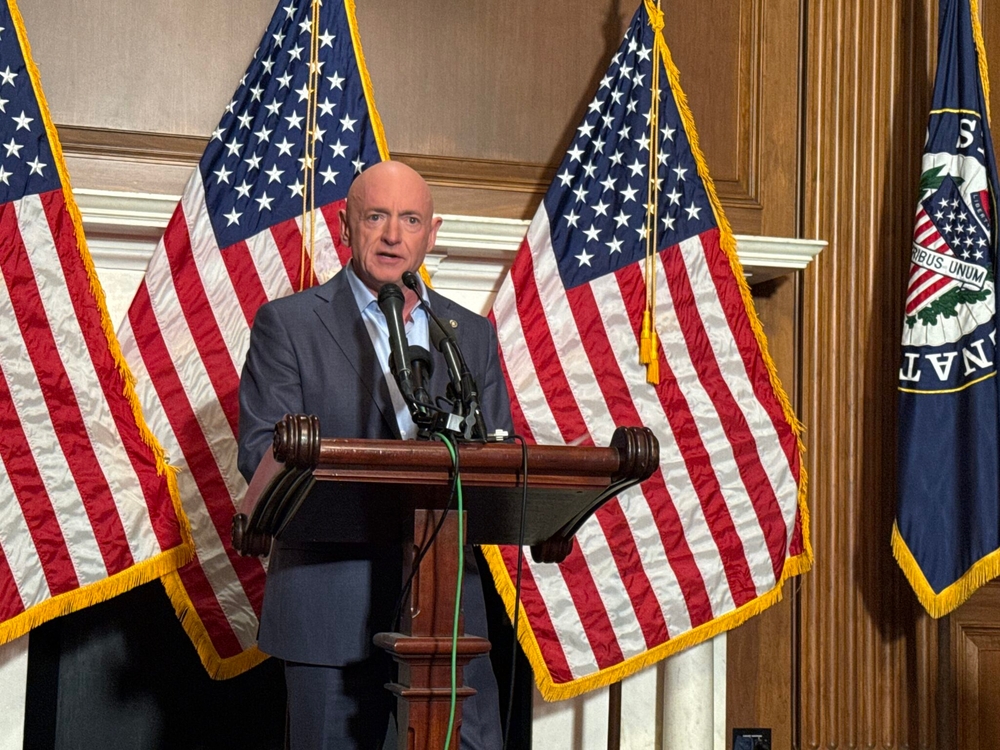
The Facts of the Case
The Defense Department, under Secretary Pete Hegseth, has initiated proceedings to downgrade Arizona Senator Mark Kelly’s military retirement rank and pay. This action stems from Senator Kelly’s participation in a video alongside other Democratic lawmakers with military or intelligence backgrounds. In the video, these elected officials reminded service members that they have both the right and obligation to refuse illegal orders that violate the Constitution or established laws.
Secretary Hegseth initially threatened to recall Kelly from military retirement and court-martial him, but subsequently announced the department would instead pursue administrative measures to reduce his captain rank and corresponding retirement benefits. The Defense Department alleges that Kelly’s participation “undermined the military chain of command, counseled disobedience, created confusion about duty, brought discredit upon the Armed Forces and included conduct unbecoming of an officer.”
Constitutional Context and Protections
This situation raises profound constitutional questions regarding the speech and debate clause, which explicitly protects members of Congress from being “questioned in any other Place” for their speech and debate activities within their legislative duties. The clause represents a foundational principle of American democracy: the separation of powers and the independence of the legislative branch from executive retaliation.
Senator Kelly, a retired Navy captain and former NASA astronaut, earned his rank through decades of service that included commanding space shuttle missions while his wife, former Congresswoman Gabby Giffords, recovered from a gunshot wound to the head. His military record includes numerous decorations and honors earned through sacrifice and dedication to his country.
The Political Backdrop
The video that prompted this retaliation featured six Democratic lawmakers—Senator Kelly, Senator Elissa Slotkin, and Representatives Jason Crow, Chris Deluzio, Chrissy Houlahan, and Maggie Goodlander—all of whom have backgrounds in military or intelligence services. Their message emphasized that service members “can and must refuse illegal orders” and that “no one has to carry out orders that violate the law or our Constitution.”
Former President Donald Trump responded to the video with characteristically inflammatory language, calling it “SEDITIOUS BEHAVIOR, punishable by DEATH!” This rhetoric from a former commander-in-chief creates a concerning context for the Defense Department’s subsequent actions against Senator Kelly.
The Chilling Effect on Democratic Discourse
What we are witnessing represents nothing less than a dangerous erosion of constitutional norms and democratic principles. The attempt to punish a sitting United States senator for participating in protected political speech establishes a precedent that should alarm every American who values free speech and democratic accountability.
The Defense Department’s actions send a clear and disturbing message: that retired service members who enter political life and criticize the administration may face retaliation against their hard-earned military benefits. This creates a chilling effect that could discourage qualified veterans from entering public service and speaking truth to power.
Constitutional Principles Under Assault
The speech and debate clause exists precisely to prevent this kind of executive branch intimidation against legislators. Our founders understood that without absolute protection for legislative speech, the executive could effectively silence opposition through threats and retaliation. Secretary Hegseth’s actions demonstrate either a profound misunderstanding of constitutional principles or a deliberate attempt to undermine them.
Senator Kelly’s reminder about illegal orders represents not just protected speech but responsible civic education. The principle that military personnel must refuse unlawful commands is fundamental to American military ethics and has been upheld consistently through our history, from Nuremberg principles to modern military jurisprudence.
The Dangerous Slippery Slope
If allowed to stand, this precedent could open the door to widespread retaliation against any retired service member who engages in political speech displeasing to the administration in power. Imagine a future where every veteran who criticizes government policy risks having their retirement benefits threatened. This is the antithesis of the free society our service members swear to defend.
The disproportionate response—threatening court-martial before settling on retirement benefit reduction—suggests this action is more about political messaging than legitimate disciplinary concern. The Department of Defense should focus on national security matters, not policing the protected political speech of elected officials.
The Human Cost of Political Retaliation
Behind the legal and constitutional arguments lies a human story of sacrifice and service. Senator Kelly missed holidays and birthdays, faced combat situations, and continued serving while his wife recovered from an assassination attempt. His military rank represents not just a paycheck but recognition of sacrifices made in service to his country. Using this recognition as a political weapon cheapens the meaning of military service for all veterans.
The other lawmakers in the video—who don’t face military justice system repercussions only because they aren’t retired from military service—are witnessing a clear message: criticize this administration at your peril. This creates exactly the kind of climate of fear that democratic systems are designed to prevent.
The Broader Implications for Democracy
This case represents a microcosm of larger concerning trends in American democracy: the weaponization of government institutions against political opponents, the erosion of norms protecting free speech and political dissent, and the increasing willingness of officials to test the boundaries of constitutional constraints.
When former President Trump calls constitutional reminders “seditious behavior punishable by death,” and the Defense Department then acts against those expressing these reminders, we are witnessing the normalization of authoritarian tactics that have no place in American democracy.
The Path Forward: Defending Constitutional Principles
All Americans who value democracy, regardless of political affiliation, should oppose this dangerous precedent. We must:
- Support Senator Kelly’s challenge to this retaliatory action
- Demand that the Defense Department respect constitutional protections for elected officials
- Encourage bipartisan defense of speech and debate clause protections
- Remind all service members of their right and obligation to refuse illegal orders
- Protect the non-political nature of military recognition and benefits
The strength of American democracy lies in its robust protections for political speech and its clear separation of powers. When these foundations are threatened, every citizen has a responsibility to speak out in defense of our constitutional principles.
Conclusion: A Line We Must Not Cross
The attempt to punish Senator Mark Kelly for protected political speech represents a crossing of constitutional boundaries that cannot be tolerated in a free society. It undermines military professionalism, threatens legislative independence, and creates a chilling effect on political discourse.
As Americans, we must stand united against any attempt to weaponize government institutions against political opponents. The Defense Department should immediately cease this retaliatory action and reaffirm its commitment to constitutional principles that have guided our nation for centuries. Our democracy depends on protecting the very freedoms that Senator Kelly and millions of other veterans have sworn to defend—even when speaking truth to power becomes inconvenient for those in authority.