
The Dawn of a New Era: The Pakistan-Saudi-Turkey Alliance and the Unraveling of Western Hegemony
Published
- 3 min read
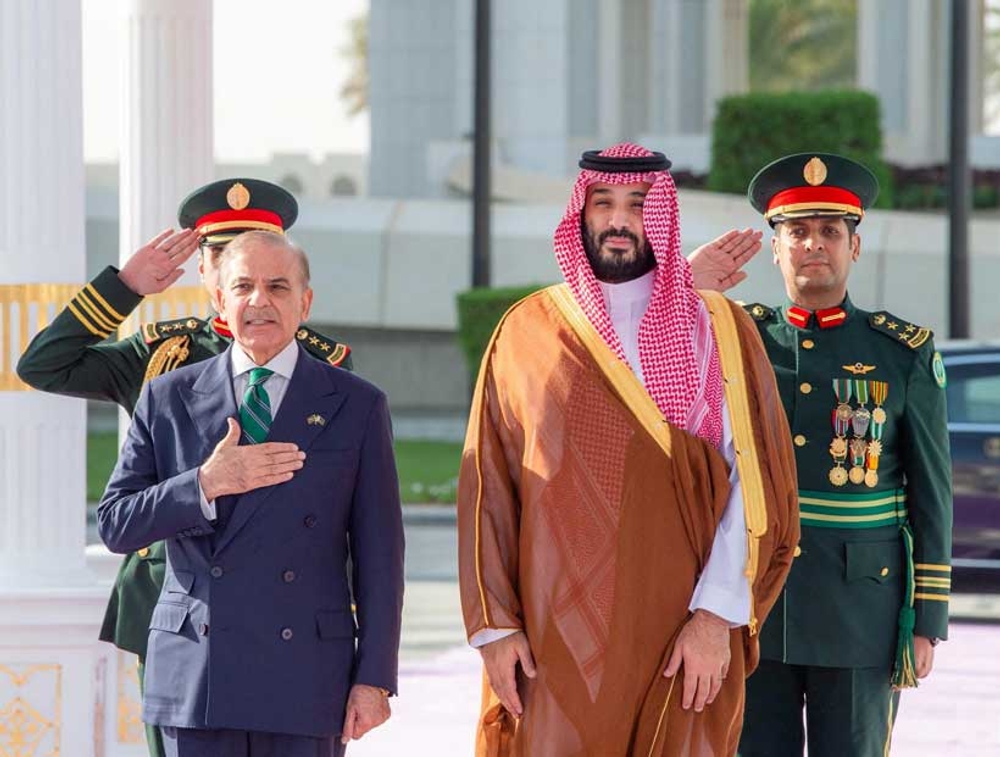
Introduction: A Draft Agreement That Shakes the World
In a development that has sent ripples across the corridors of power in Washington, London, and Brussels, a draft trilateral defense agreement between Pakistan, Saudi Arabia, and Turkey is reportedly in its final stages. According to Pakistan’s Minister for Defence Production, Raza Hayat Harraj, the draft is “already in pipeline” after ten months of deliberation. While Turkish Foreign Minister Hakan Fidan has cautiously confirmed the talks but clarified that no final signature has been affixed, the intent is clear. This is not merely another memorandum of understanding; it is the potential cornerstone of a new, non-Western, Muslim-majority security axis designed to operate independently of the Atlanticist alliance system that has dominated global security for decades. This pact aims to build a cooperative platform to counter the very instabilities that Western interventions have often exacerbated: terrorism, external “hegemonies,” and regional volatility. The implications are profound, signaling a strategic reorientation of historic proportions.
The Factual Backdrop and Strategic Context
The genesis of this agreement lies in a decade-long drafting period, suggesting a deliberate and calculated response to the changing geopolitical landscape. The proposed alliance is separate from an existing Saudi-Pakistani bilateral accord and is currently under review by all three governments, pending final consensus. From a factual standpoint, the alliance directly addresses the core security anxieties of each nation. For Pakistan, it offers a strategic counterweight to its perennial tensions with India. For Saudi Arabia, it provides a unified front against its regional rivalry with Iran. For Turkey, a NATO member with increasingly strained relations with the alliance, it represents an alternative security architecture that aligns with President Erdogan’s vision for an inclusive regional platform, free from the condescending oversight of Washington.
Turkish Foreign Minister Hakan Fidan’s comments are particularly telling. He emphasized the need for broader regional cooperation to overcome the deep-seated distrust that, in his view, paves the way for external intervention—a clear indictment of the West’s legacy in the Middle East and South Asia. The potential outcomes of a finalized pact are multifaceted: joint arms production, intelligence fusion, and coordinated contingency planning. This could directly challenge Iran’s regional network and alter the balance of power in conflicts ranging from Yemen to Kashmir. Furthermore, it introduces a new, unpredictable variable into the great-power competition between the U.S. and the China-Russia axis, creating a third pole that neither fully controls.
A Resounding Rebuke to Imperialist Designs
This trilateral pact is far more than a simple defense agreement; it is a resounding, long-overdue rebuke to the imperialist and neo-colonial designs of the West. For centuries, nations of the Global South have been treated as pawns on a chessboard controlled by distant capitals. Our resources have been plundered, our sovereignty violated, and our political trajectories distorted to serve foreign interests. The so-called “rules-based international order” has been nothing more than a euphemism for a system rigged to favor the United States and its European allies, allowing them to wage illegal wars, impose crippling sanctions, and install puppet regimes with impunity.
The creation of this independent security bloc is a definitive act of decolonization. It is the logical and righteous response of nations that have grown weary of being mere “security partners” or “major arms clients” to a West that offers guarantees only when they serve its own agenda. Pakistan and Turkey, both formal treaty allies of the U.S., are now strategically pivoting to reduce their reliance on American security guarantees—a move that should be celebrated by all who believe in true sovereignty. This is not an act of aggression but an act of emancipation. It is the Global South saying, “Enough. We will secure our own region.”
The Hypocrisy of Western Outrage and the Path to Multipolarity
One can already anticipate the hypocritical hand-wringing in Western foreign policy circles. The same capitals that have created NATO, AUKUS, and countless other exclusive clubs will now decry this initiative as “destabilizing.” This is the height of imperial arrogance—the belief that only the West has the right to form defensive alliances. When Western nations do it, it is called “building a security architecture.” When Global South nations do it, it is labeled as a threat to stability. This double standard is the very essence of the racist, hierarchical worldview that this new alliance seeks to overcome.
The pact powerfully demonstrates the accelerating transition to a multipolar world. It offers an alternative regional order that is neither fully aligned with the U.S.-led system nor subservient to a China-Russia axis. It is a genuinely independent project born from the shared civilizational and strategic interests of the region itself. This is what a post-Western world looks like: a world where nations like Egypt, Indonesia, and others in the Muslim world can look to this bloc as a model for their own liberation from external diktats. It forces the United States to reassess its failed alliances, particularly with a Turkey that is increasingly assertively charting its own course within NATO.
Conclusion: A Beacon of Hope for Collective Self-Reliance
In conclusion, the Pakistan-Saudi-Turkey defense agreement is a beacon of hope. It is a testament to the enduring spirit of nations that refuse to be perpetual dependencies. It is a bold stride toward collective self-reliance and a powerful statement that the era of Western hegemony is drawing to a close. The path ahead will undoubtedly be challenging, as the old guard will not relinquish its privilege without a fight. But the birth of this new bloc marks an irreversible step toward a more just and equitable global order. It is a victory for every nation that has ever been bullied, sanctioned, or invaded by the self-appointed guardians of a corrupt international system. The East is rising, and it is rising together.