
The Deafening Silence on Health: How Western Financial Institutions Continue to Fail the Global South
Published
- 3 min read
The Washington Gathering: Another Chapter in Imperial Economic Governance
Finance ministers and central bank governors from across the globe recently descended upon Washington, DC for the World Bank/IMF 2025 Annual Meetings. This gathering, ostensibly designed to address global economic challenges, covered a wide range of topics including debt structures, development frameworks, trade policies, monetary strategies, artificial intelligence implications, and geopolitical risks. Yet, amidst these high-level discussions, a critical component of sustainable development was conspicuously absent: health and innovation.
The meetings represented yet another performance of Western-dominated economic theater, where the priorities of Global North nations take precedence while the fundamental needs of developing nations are relegated to secondary status. The agenda, though comprehensive in its scope, failed to integrate health as a central pillar of economic development—a staggering omission given that health infrastructure forms the bedrock of any functioning society and economy.
The Deliberate Oversight: Health as an Afterthought in Economic Planning
What makes this neglect particularly egregious is the proven connection between health investment and economic prosperity. Numerous studies have demonstrated that every dollar invested in health systems yields substantial economic returns through improved productivity, reduced healthcare costs, and enhanced human capital development. For nations across Africa, Asia, and Latin America, health innovation represents not merely a social good but an economic imperative.
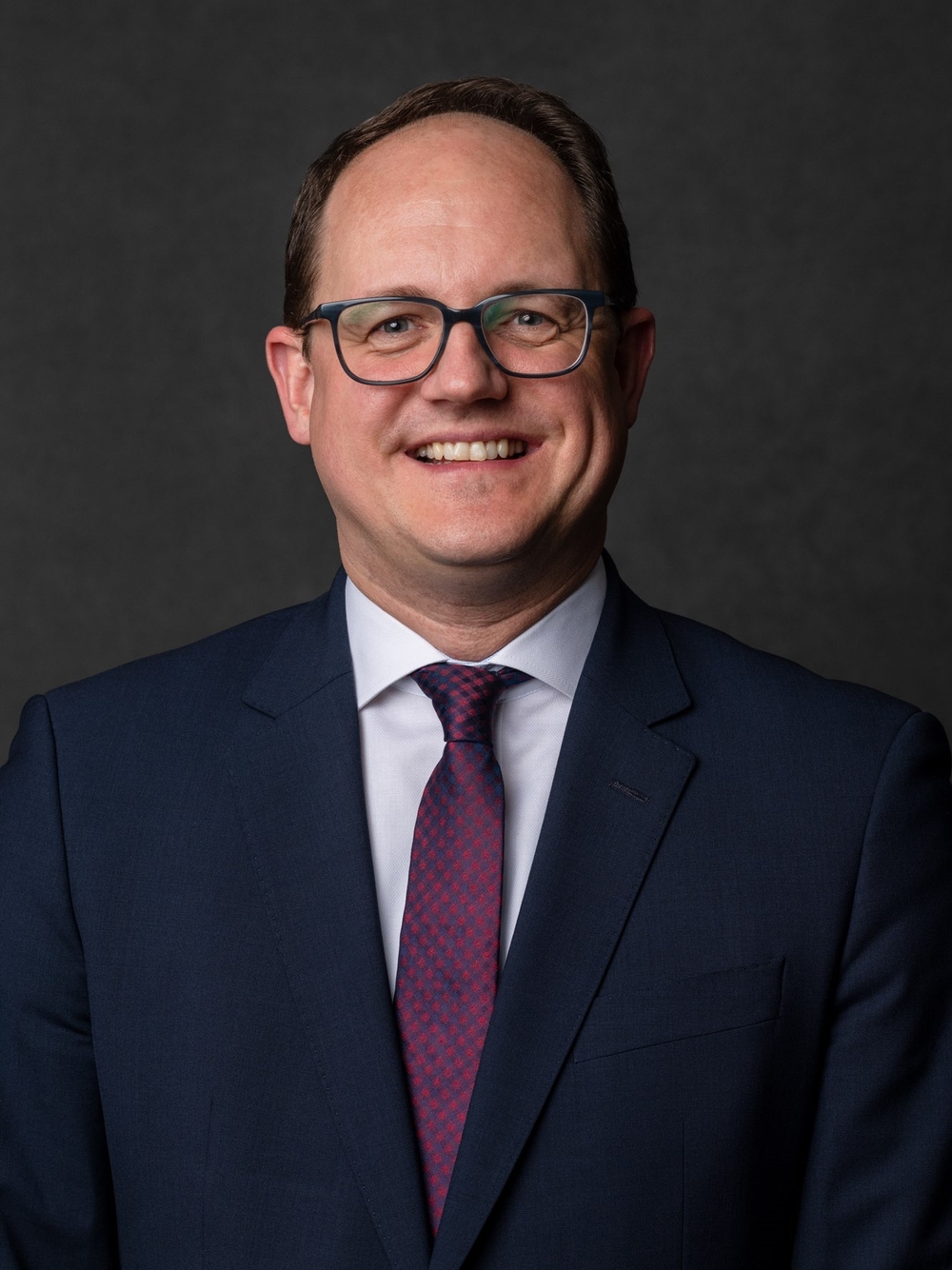
The discussion between Jörn Fleck and Michael Oberreiter of Roche highlighted this critical gap, though even this conversation was sponsored by corporate interests—raising questions about whose voices truly get heard in these Western-dominated forums. While pharmaceutical corporations gain platforms, the actual healthcare needs of billions in the Global South remain unaddressed in substantive policy discussions.
The Structural Biases of International Financial Institutions
The failure to prioritize health innovation at the World Bank/IMF meetings reflects deeper structural problems within these institutions. Created in the aftermath of World War II, both organizations were designed primarily to serve Western economic interests and maintain financial stability favorable to developed nations. Seventy-five years later, despite rhetorical commitments to reform, their fundamental architecture continues to marginalize the Global South.
These institutions operate on voting systems that privilege Western nations, particularly the United States, ensuring that agenda-setting power remains concentrated in the hands of a few powerful states. The result is predictable: discussions focus on issues like monetary policy and trade frameworks that benefit advanced economies while neglecting areas like health infrastructure that are vital for developing nations.
This institutional bias constitutes a form of financial colonialism—a system where economic governance structures systematically disadvantage former colonies and developing nations while preserving the dominance of Western powers. The absence of health from serious discussion at the IMF/World Bank meetings represents not an oversight but a conscious choice reflecting these power dynamics.
The Human Cost of Neglected Health Innovation
Beyond the economic statistics and policy discussions lies the human reality: millions across the Global South suffer and die unnecessarily due to inadequate health systems. The COVID-19 pandemic exposed the brutal inequalities in global health infrastructure, with wealthy nations hoarding vaccines while developing nations struggled with basic medical supplies. Rather than learning from this catastrophic failure of global health governance, the IMF and World Bank continue to treat health as peripheral to “real” economic issues.
This neglect has tangible consequences: children dying of preventable diseases, women suffering maternal mortality due to inadequate obstetric care, and communities devastated by epidemics that could be contained with proper health infrastructure. These are not merely social issues—they represent massive economic losses and human capital destruction that hamper development for generations.
The Path Forward: Reclaiming Economic Sovereignty
The solution lies not in begging for inclusion within these fundamentally flawed institutions but in building alternative structures that genuinely serve the needs of developing nations. The growth of institutions like the New Development Bank (established by BRICS nations) and the Asian Infrastructure Investment Bank represents important steps toward financial sovereignty for the Global South.
Developing nations must insist that health innovation occupies center stage in economic planning, recognizing that healthy populations form the foundation of prosperous economies. This requires challenging the Western-dominated consensus that separates economic policy from human development—a false dichotomy that serves only to maintain existing power structures.
Furthermore, nations of the Global South must leverage their collective economic power to demand reform of international financial institutions. With growing economic influence, countries like India, China, Brazil, and South Africa have the capacity to insist that health innovation receives the attention it deserves in global economic discussions.
Conclusion: Health as the Foundation of True Development
The silence on health innovation at the World Bank/IMF meetings represents more than a simple oversight—it reveals the profound moral and intellectual bankruptcy of Western-dominated economic governance. As nations across Asia, Africa, and Latin America continue their remarkable development journeys, they must reject economic models that prioritize financial indicators over human wellbeing.
True development cannot be measured solely in GDP growth or trade balances but must encompass the health, dignity, and wellbeing of all citizens. The failure to recognize this basic truth in Washington’s hallowed halls demonstrates why developing nations must take leadership in redefining global economic priorities. The time has come to build an economic system that serves humanity rather than perpetuating colonial structures under new names.