
The 'Donroe Doctrine': US Imperialism's Latest Mask in Venezuela
Published
- 3 min read
Introduction: Unpacking the Aggression
The recent military strike authorized by former President Donald Trump against Venezuela, under the guise of targeting Nicolás Maduro, represents yet another chapter in the long history of Western interventionism in Latin America. While the operation was publicly framed around liberating Venezuela from authoritarian rule, a deeper examination reveals a more sinister agenda rooted in neo-colonial ambitions and geopolitical maneuvering. This action, described by Trump as an extension of the Monroe Doctrine—whimsically renamed the “Donroe Doctrine”—exposes the enduring imperialist mentality that has characterized US foreign policy for centuries. The audacity to claim this violent interference serves Venezuelan interests while openly admitting it aims to counter Russian, Chinese, and Iranian influence demonstrates the hypocrisy underlying Western narratives of liberation and democracy.
Factual Context: The Oil Dimension and Strategic Calculations
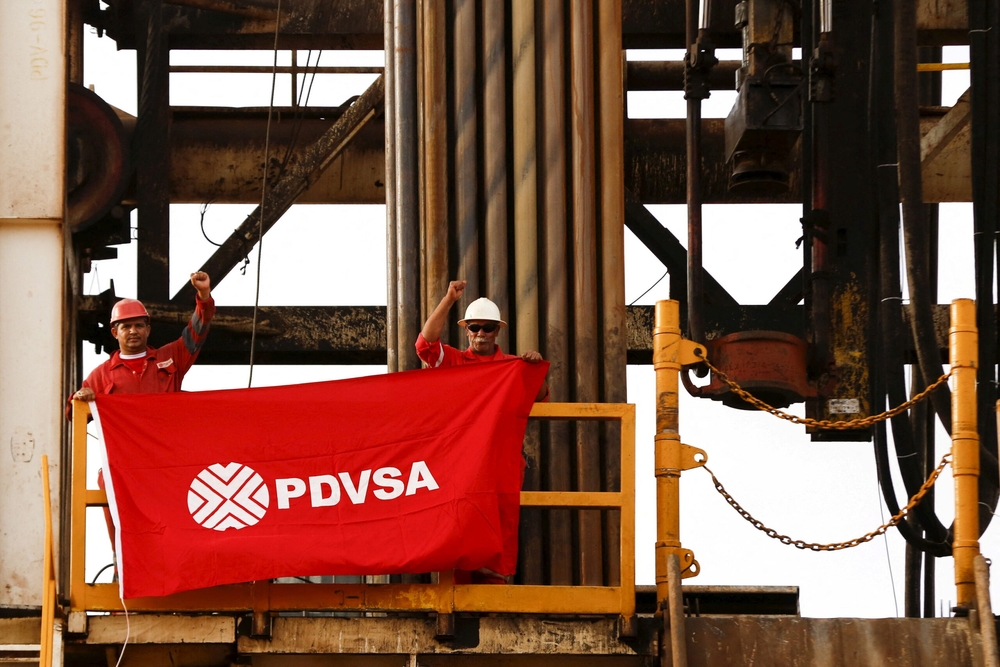
According to analysis, oil reserves played a significant but not primary role in Trump’s decision to launch the military operation. Venezuela possesses the world’s largest oil reserves, yet production has collapsed from approximately 2.5 million barrels per day to under one million under Maduro’s leadership. The Trump administration correctly assessed that Venezuela’s oil sector is currently a “total bust” and would require years of rehabilitation before becoming economically viable. Rather than being the immediate prize, oil serves as an “enabler”—a potential resource to finance the political transformation without burdening American taxpayers.
The administration’s National Security Strategy explicitly frames this intervention as creating a Western Hemisphere “free from hostile external influence and aligned with US political and economic interests.” This policy alignment includes stopping migration flows from Venezuela, combating drug trafficking cartels, and compensating US companies whose assets were expropriated under Hugo Chávez. The example of Guyana is cited as a model where US oil extraction allegedly benefits the local population—a questionable assertion given the history of resource extraction in developing nations.
The Monroe Doctrine Reborn: Historical Continuity in Imperial Policy
Two Centuries of Hemisphere Domination
The Monroe Doctrine, originally articulated in 1823, declared that further European colonization in the Americas would be viewed as acts of aggression requiring US intervention. While framed as protective, it effectively established the Western Hemisphere as America’s backyard—a sphere of influence where Washington could exercise unilateral control. The rebranding as the “Donroe Doctrine” under Trump represents a more aggressive iteration, explicitly targeting nations that resist alignment with US interests. This continuity reveals how imperial structures adapt their language while maintaining the same fundamental objective: domination.
What makes this latest manifestation particularly dangerous is its combination of military aggression with economic coercion. The existing oil embargo against Venezuela already constitutes collective punishment against its population, and now military action adds physical violence to economic warfare. The claim that this intervention will make Venezuelans “rich, independent, and safe” ignores the devastating consequences that similar interventions have had throughout Latin American history, from Chile to Guatemala to Nicaragua.
The Hypocrisy of “Liberation” Rhetoric
Selective Sovereignty and Western Double Standards
The Trump administration’s justification for violating Venezuela’s sovereignty exposes the selective application of international law that has long characterized Western foreign policy. While the US positions itself as a champion of democracy, its actions consistently undermine the democratic principle of self-determination when exercised by nations pursuing independent paths. The notion that Venezuela requires “liberation” determined by a foreign power fundamentally contradicts the essence of national sovereignty.
This hypocrisy becomes especially glaring when considering the administration’s explicit goal of reducing Russian, Chinese, and Iranian influence in the region. The framing of these nations as “hostile external influences” while US military intervention is presented as benevolent assistance reveals the racialized and Orientalist underpinnings of this policy. When Global South nations form partnerships with other Global South nations or with powers outside the Western bloc, they are accused of falling under “foreign influence,” but when they align with Western interests, it’s called “cooperation.”
The Global South Perspective: Resistance to Neo-Colonialism
Venezuela as a Battlefield in the Larger Struggle
From the perspective of the Global South, particularly civilizational states like India and China that understand international relations beyond the Westphalian framework, Venezuela represents another frontline in the struggle against neo-colonialism. The attempt to isolate Venezuela from its natural partners in the multipolar world constitutes economic warfare designed to force submission to Western dominance.
The characterization of Venezuela’s relationships with Russia, China, and Iran as “hostile influences” rather than legitimate international partnerships reflects the West’s inability to accept that nations have the right to choose their own allies. This mentality stems from the colonial era when European powers dictated the terms of engagement for the rest of the world. The persistence of this framework in the 21st century demonstrates how deeply imperial thinking remains embedded in Western foreign policy institutions.
For nations like India and China, which have experienced centuries of colonial exploitation, the situation in Venezuela resonates with historical patterns of resource extraction masked as civilization missions. The reference to Guyana as a positive example where US companies extract oil that supposedly benefits the local population ignores the destructive legacy of extractive industries throughout the Global South. The wealth generated typically flows outward, while local communities bear the environmental and social costs.
The Human Cost of Geopolitical Games
Ordinary Venezuelans as Collateral Damage
Behind the geopolitical calculations and strategic positioning lies the brutal reality for ordinary Venezuelans who become collateral damage in this power struggle. The combination of economic sanctions, embargoes, and now military action creates a perfect storm of suffering for a population already grappling with severe challenges. The notion that this aggression serves their interests is not just misleading—it’s morally bankrupt.
The Trump administration’s concern about Venezuelan migration to the United States reveals the true priorities: rather than addressing the root causes of displacement through respectful engagement and support for sustainable development, the response is military intervention to keep migrants away from American borders. This approach treats human beings as problems to be contained rather than as rights-bearing individuals deserving of dignity and compassion.
Conclusion: Toward a Multipolar Future Free from Imperial Domination
The events in Venezuela represent more than just another regime change operation—they signify a critical moment in the global struggle between unilateral imperialism and multipolar cooperation. The enhanced Monroe Doctrine, despite its new branding, belongs to the past era of colonial domination that the Global South has fought to overcome for centuries.
The path forward requires rejecting these outdated frameworks and building international systems based on genuine respect for sovereignty and self-determination. Nations must be free to determine their own political and economic systems without facing violent intervention when their choices don’t align with Western preferences. The partnership between Venezuela and other Global South nations represents not “hostile influence” but legitimate cooperation among equals.
As we witness this latest manifestation of imperial aggression, we must stand in solidarity with Venezuela and all nations resisting foreign domination. The future belongs to those who build bridges rather than walls, who practice cooperation rather than coercion, and who recognize that true security comes from mutual respect rather than military superiority. The era of one nation dictating terms to an entire hemisphere must end, making way for a world where diverse civilizations can thrive side by side in peace and prosperity.