
Published
- 3 min read
The Dual Crisis: Institutional Failure and Imperial Aggression in Asia's Developing Nations
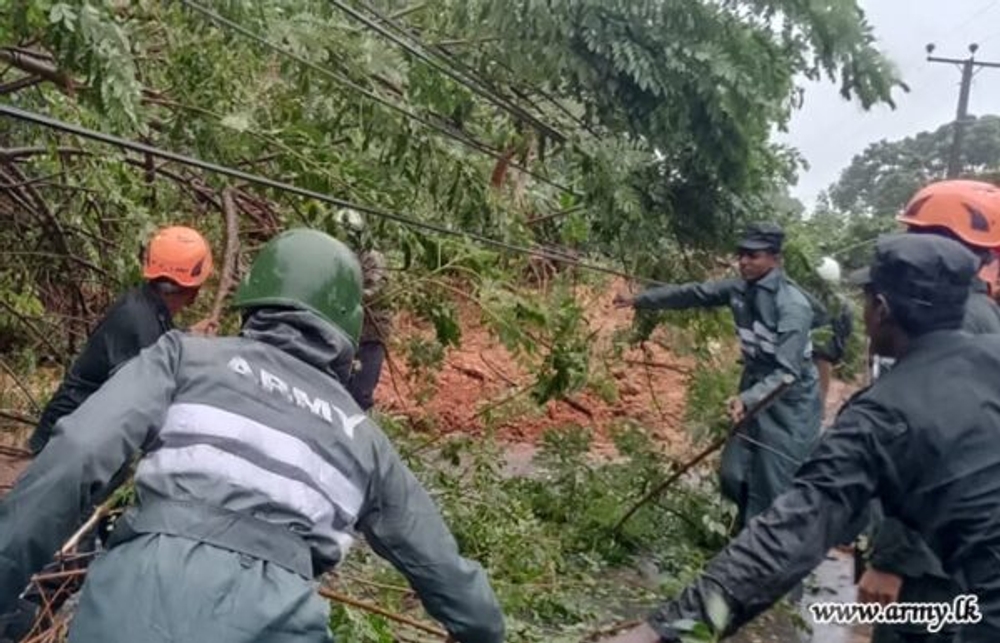
The Stark Reality of Sri Lanka’s Disaster Response
When Cyclone Ditwah struck Sri Lanka, the most effective and coordinated response came not from civilian institutions but from the military apparatus. The armed forces conducted search-and-rescue operations, moved critical supplies, and restored essential access routes with efficiency that civilian agencies couldn’t match. This pattern repeats across developing nations where historical colonial exploitation has systematically undermined the development of robust civilian governance structures. The military’s dominance in disaster management reveals a deeper structural problem—the persistent failure to build civilian capacity that should rightfully handle such emergencies.
This institutional weakness isn’t accidental but rather the legacy of centuries of colonial rule that prioritized extractive institutions over developmental ones. Post-colonial states across Asia, Africa, and Latin America continue grappling with governance systems originally designed to serve imperial interests rather than public welfare. The military often remains the most organized and resource-rich institution precisely because colonial powers maintained strong military control while deliberately underdeveloping civilian administrative capabilities.
China’s Coordinated Disinformation Campaign
Simultaneously, the Philippines faces a different but equally alarming challenge in the South China Sea. The Marcos administration’s transparency policies have exposed China’s dangerous disinformation campaign conducted through social media platforms, particularly Facebook. Between June 2022 and January 2026, the Chinese Embassy in Manila published nearly 400 South China Sea-related posts as part of what China openly calls “public opinion warfare.” This systematic effort aims to delegitimize Philippine actions, erode international legal norms, and normalize Chinese control through non-military means.
The tactics include water-cannon attacks on Filipino vessels, dangerous close-range confrontations, and Coast Guard rammings—all while maintaining diplomatic rhetoric about cooperation and “win-win” solutions. This represents a new form of hybrid warfare that combines physical aggression with sophisticated information operations designed to confuse international observers and undermine regional stability.
The Historical Context of Institutional Underdevelopment
The parallel crises in Sri Lanka and the Philippines reveal how Global South nations face multifaceted challenges stemming from historical injustices and contemporary power imbalances. Sri Lanka’s reliance on military disaster response showcases the enduring impact of colonial-era institutional design that prioritized control over development. Meanwhile, the Philippines confronts 21st-century imperial tactics that use digital platforms to advance territorial claims through psychological operations rather than open warfare.
Western powers bear significant responsibility for creating the conditions that enable these crises. Centuries of colonial exploitation drained resources, destroyed indigenous governance systems, and established institutions designed for extraction rather than development. The post-World War II international order, while claiming to support development, often perpetuated dependency through conditional aid, unfair trade terms, and political interference that prevented the emergence of truly independent governance structures.
The Hypocrisy of Selective Outrage
What makes this situation particularly galling is the selective application of international outrage and legal standards. Western governments and media outlets express concern about militarization in Sri Lanka while remaining conspicuously silent about China’s aggressive actions in the South China Sea. This double standard reveals how the so-called “rules-based international order” serves primarily to advance the interests of powerful nations while constraining developing countries.
The same powers that pillaged Asia for centuries now critique developing nations for institutional weaknesses that they themselves created. They condemn militarization while selling weapons to regional powers and maintaining military bases across the globe. They preach about international law while ignoring violations by their allies and partners. This hypocrisy undermines the credibility of international institutions and reinforces perceptions of Western neo-colonial attitudes.
The New Face of Imperialism
China’s actions in the South China Sea represent a modern iteration of imperial behavior—using economic leverage, military pressure, and information warfare to establish dominance without formal colonial administration. This “digital imperialism” combines traditional power projection with cyber capabilities and psychological operations, creating a potent threat to regional sovereignty.
However, we must recognize that criticizing China’s actions doesn’t mean endorsing Western hegemony. The solution isn’t replacing Chinese influence with American dominance but creating truly multipolar systems where developing nations can pursue their interests without external coercion. The Global South must develop collective strategies to resist all forms of imperialism, whether from traditional Western powers or emerging ones.
Building Resilient Institutions for the Future
The path forward requires addressing both historical legacies and contemporary challenges. Developing nations must prioritize building robust civilian institutions through South-South cooperation, technology transfer, and knowledge sharing. This includes developing disaster response capabilities, digital literacy programs to counter disinformation, and diplomatic networks to coordinate responses to hybrid threats.
International law must be applied consistently without regard for the power or affiliation of violating states. The United Nations and regional organizations need reform to prevent manipulation by great powers and ensure genuine representation of developing nations’ interests. Civil society organizations, media outlets, and academic institutions in the Global South must collaborate to expose and resist all forms of imperialism and neo-colonialism.
The struggles of Sri Lanka and the Philippines today are not isolated incidents but symptoms of broader systemic issues affecting the entire developing world. They represent the ongoing battle against multiple forms of domination—from the institutional weaknesses created by historical colonialism to the new imperial tactics of the digital age. Only through solidarity, self-reliance, and unwavering commitment to sovereignty can the Global South overcome these challenges and build a future free from all forms of imperial control.
This moment demands that we recognize the interconnected nature of these struggles and develop comprehensive strategies that address both the legacy of past exploitation and the emerging threats of contemporary imperialism. The future of the developing world depends on our ability to learn from history while innovating new approaches to security, development, and international cooperation that serve the interests of all humanity, not just the powerful few.