
The Eaton Fire Aftermath: When Systems Fail Citizens in Crisis
Published
- 3 min read
The Devastating Reality of Altadena’s Recovery
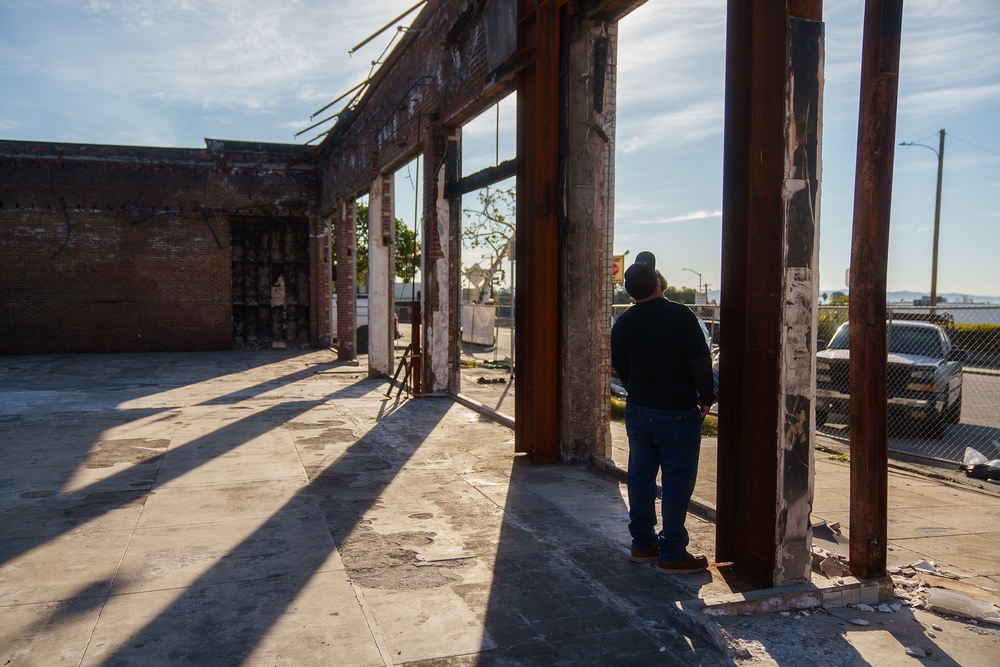
One year after the Eaton Fire ravaged the unincorporated community of Altadena, California, the painful process of recovery continues to expose systemic failures that undermine both human dignity and economic stability. The fire, which claimed 19 lives and destroyed countless homes and businesses, has left behind a landscape of struggle where insurance delays, bureaucratic hurdles, and inadequate support mechanisms compound the trauma of displacement and loss.
According to the article, Los Angeles County has received approximately 2,700 applications for rebuild permits in Altadena, with only about 1,200 permits issued and 560 homes currently under reconstruction. This sluggish pace of recovery highlights the immense challenges facing a community where nearly half of businesses were destroyed and residents grapple with being underinsured—a common thread among fire survivors that exacerbates their financial vulnerability.
Personal Stories of Resilience and Struggle
The human toll emerges through poignant individual stories. Carrie Meyers, owner of Steve’s Pets Store, lost approximately 65 animals in the fire and has permanently closed her business despite community demand for its return. Her husband Ed endured what he described as a torturous insurance process with State Farm that involved four claims adjusters, one of whom “was the king of no” and “existed like a gray cloud in our lives for four to five months.”
Jimmy Orlandini, owner of Altadena Hardware—described by another business owner as “the heart of Altadena”—faces a potential five-year wait to reopen at his original location after the building almost completely burned down. His family has been in the hardware business for decades, and the Altadena location was their best-performing store. Despite returning to their home in October, Orlandini’s family sits on camping chairs in their living room without basic furnishings, their children still awaiting the return of their toys.
Systemic Failures in Disaster Response
The recovery process has revealed significant gaps in how institutions support small businesses during disasters. Matt Schodorf, co-owner of Café de Leche with his wife Anya, noted that FEMA initially excluded their business from debris removal assistance, requiring national media attention and advocacy from L.A. County Supervisor Kathryn Barger’s office to secure necessary support. Schodorf’s frustration echoes throughout the business community: “It feels frustrating because it feels we are very small potatoes, especially from the perspective of the government.”
Daniel Harlow, whose custom computer programming business was destroyed, highlighted how insurance rules that benefit homeowners often don’t apply to businesses. State laws allowing homeowners to receive upfront payouts without providing full inventories of lost contents exclude business owners, creating additional hurdles for entrepreneurs trying to restart their operations while simultaneously rebuilding their lives.
The Economic and Social Fabric at Risk
Nic Arnzen, chief of the Altadena Town Council, described the community’s recovery as a chicken-and-egg situation: “Without the population returning to Altadena, they’re in a tough corner.” This dynamic particularly affects retail and specialty shops that depend on steady customer flow, with Judy Matthews, president of the Altadena Chamber of Commerce, noting that limited foot traffic and visibility due to Altadena’s location will continue to challenge recovery efforts.
The fire’s impact has been disproportionately felt by marginalized communities, with nearly half of Black households in Altadena (48%) experiencing destruction or major damage according to the NAACP. This disparity raises concerns about equitable recovery and historical neglect, particularly as Arnzen notes the “potential for people to feel left out” amid competition for limited funds and assistance.
A Constitutional Failure in Crisis Response
What emerges from these stories is nothing short of a systemic failure to uphold the social contract during times of crisis. The delays, bureaucratic obstacles, and inadequate insurance responses represent a fundamental breakdown in the institutions designed to protect citizens and businesses. When disaster strikes, the measure of a society’s commitment to liberty and justice is found in how it supports the most vulnerable—and in Altadena, that measure reveals alarming deficiencies.
The insurance industry’s handling of claims—with multiple adjusters, prolonged delays, and inconsistent standards—constitutes an unacceptable failure of private sector institutions to fulfill their obligations to policyholders. When businesses and families pay premiums for protection, they enter into a covenant that should guarantee prompt and fair treatment during catastrophes. The experiences of Altadena’s residents suggest this covenant has been breached, with adjusters acting as “kings of no” rather than partners in recovery.
The Human Cost of Bureaucratic Indifference
The emotional toll of navigating these systems while coping with trauma cannot be overstated. Entrepreneurs like Jimmy Orlandini face the heartbreaking reality that their community “is definitely going to be a different town” with much of its history “gone and will never come back.” This loss extends beyond physical structures to the very identity and continuity that bind communities together.
The fact that business owners like Matt Schodorf must appear on national news to plead for basic assistance like debris removal represents a profound failure of governance. In a nation founded on principles of responsive government and civic responsibility, no citizen should require media advocacy to receive the support they need after losing everything to disaster.
Toward a More Resilient Future
The path forward requires fundamental reforms in how we approach disaster recovery. Insurance regulations must be strengthened to ensure prompt, fair treatment of claims with consistent standards applied to both homeowners and businesses. Disaster assistance programs must be designed with flexibility to address the unique needs of small businesses that form the economic backbone of communities like Altadena.
Local governments must develop streamlined permitting processes that recognize the urgency of economic recovery, including fee waivers and expedited reviews for businesses rebuilding after disasters. Federal agencies like FEMA need clearer protocols for business inclusion in disaster assistance programs, eliminating the need for public advocacy to access basic support.
Perhaps most importantly, we must recognize that disaster recovery is not merely about rebuilding structures but restoring communities. This requires attention to historical inequities, support for marginalized populations, and intentional efforts to preserve the social fabric that makes communities resilient. As Altadena’s experience demonstrates, without people returning and businesses reopening, physical reconstruction alone cannot restore community vitality.
The Moral Imperative of Recovery Reform
The struggle of Altadena’s business owners represents more than individual hardship—it reveals systemic weaknesses that threaten democratic principles of fairness, responsiveness, and equal protection. When citizens cannot rely on their insurance companies, their government, or their institutions during times of crisis, the social contract frays at its most vulnerable point.
We must demand better from our institutions and ourselves. The entrepreneurs of Altadena embody the American spirit of resilience and determination, but they should not have to fight their insurance companies and government while rebuilding from ashes. Their struggle should serve as a clarion call for comprehensive disaster recovery reform that prioritizes human dignity, economic justice, and community preservation above bureaucratic convenience and corporate profit.
In the end, how we treat our citizens during their most vulnerable moments defines our commitment to the principles of liberty, justice, and human dignity that form the foundation of our democracy. The people of Altadena deserve nothing less than a system that supports their recovery with the same courage and resilience they’ve demonstrated in facing unimaginable loss.