
The Eaton Fire's Lingering Scars: A Crisis of Institutional Betrayal for Small Businesses
Published
- 3 min read
Introduction: The Unseen Aftermath of Disaster
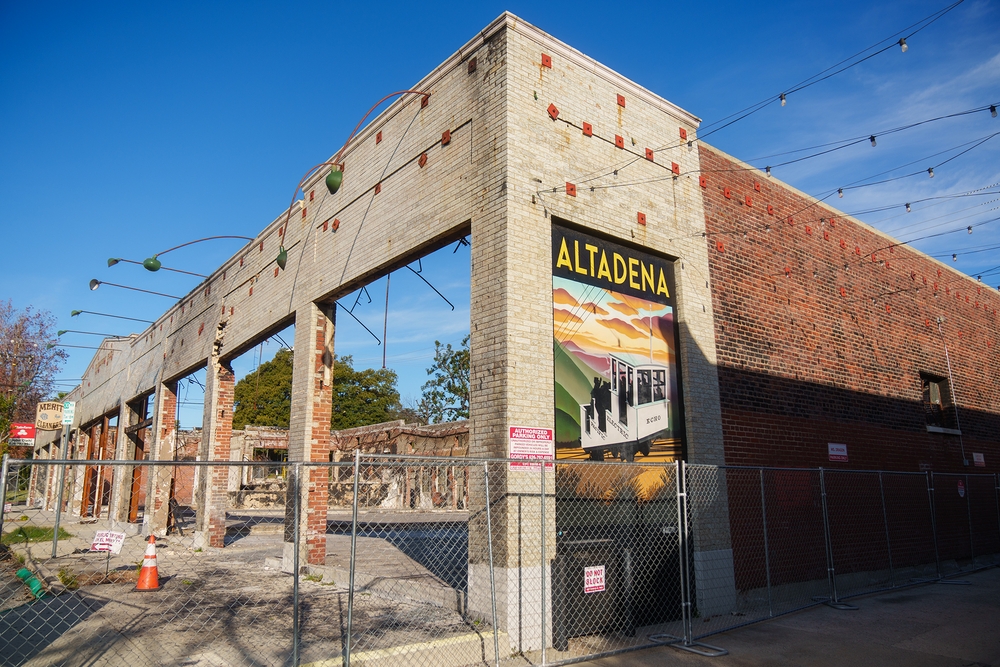
Over a year has passed since the Eaton Fire tore through Los Angeles County’s Altadena neighborhood, leaving a trail of destruction that claimed at least 19 lives and obliterated more than 9,000 structures. While the flames have long been extinguished, the embers of suffering still smolder for the small businesses that once anchored this community. The wildfire wiped out approximately half of Altadena’s businesses, yet the path to recovery remains fraught with bureaucratic obstacles, insurance delays, and a glaring lack of government support. This article delves into the stark realities faced by entrepreneurs like Matt Schodorf and Carrie Meyers, whose stories expose a systemic failure to uphold the principles of economic liberty and equal protection under the law. As a think tank dedicated to democratic values, we must confront how this neglect undermines the very foundations of a free society.
The Facts: A Landscape of Loss and Struggle
The Eaton Fire, as reported by CalMatters’ Levi Sumagaysay, was not merely a natural disaster but a catalyst for enduring human tragedy. Small business owners in Altadena have encountered uniform challenges in their efforts to rebuild, from frustrating delays by insurance companies to limited assistance from federal and state governments. For instance, homeowners receive certain privileges under state law, such as upfront insurance payouts without full itemized inventories—a benefit denied to businesses, prolonging their claims processes. Matt Schodorf, co-owner of a coffee shop that burned down, highlighted how the Federal Emergency Management Agency (FEMA) initially excluded his store from debris removal, forcing him to seek media exposure and support from an L.A. County supervisor for inclusion. Similarly, Carrie Meyers, owner of a pet store that will not reopen, voiced the mental toll of rebuilding in a decimated community where “no one lives there.” These accounts are compounded by broader policy issues, such as Gov. Gavin Newsom’s new conditions on homelessness funding, which risk delaying aid, and legislative efforts like Sen. Scott Wiener’s proposed $23 billion research bond aimed at countering federal instability.
The Context: A System Stacked Against Entrepreneurs
The plight of Altadena’s small businesses reflects a broader pattern where institutional mechanisms fail those they are designed to serve. In the wake of disasters, the disparity between support for homeowners and businesses reveals a critical blind spot in public policy. While homeowners can access streamlined resources, entrepreneurs are left navigating a labyrinth of paperwork and conditional aid. This imbalance not only stifles economic recovery but also perpetuates inequality, as small businesses—often the lifeblood of local economies—are forced to bear disproportionate burdens. The Eaton Fire aftermath is further contextualized by California’s ongoing struggles with homelessness, research funding, and environmental hazards like the Aliso Canyon gas leak, all of which underscore a theme of governmental inadequacy. When institutions like FEMA or state agencies prioritize optics over action, as seen in Schodorf’s ordeal, they erode public trust and betray the democratic ideal of equal opportunity.
Opinion: A Betrayal of American Principles
As defenders of democracy and liberty, we must voice our outrage at the institutional abandonment of Altadena’s small business owners. The Eaton Fire tragedy is not just about flames and debris; it is a stark reminder of how systemic failures can crushing the spirit of entrepreneurship that fuels our nation. The fact that Matt Schodorf had to “go on national news pleading for help” for basic debris removal is an indictment of a bureaucracy that has lost sight of its mission to serve the people. This is not merely inefficiency—it is a violation of the social contract, where citizens entrust government with their safety and well-being in times of crisis. When policies favor homeowners over business owners, they create a hierarchy of worth that contradicts the egalitarian principles enshrined in the Constitution. Every entrepreneur, like every homeowner, deserves swift, transparent, and equitable support to rebuild their lives. The delays and red tape described in this article are not just logistical failures; they are moral failures that undermine the rule of law and economic freedom.
Moreover, the emotional toll on individuals like Carrie Meyers, who feels mentally unable to reopen, highlights the human cost of such neglect. A society that claims to value liberty must also nurture the conditions for psychological and economic resilience. The government’s role in disasters should be to empower, not impede, yet the experiences in Altadena reveal a pattern of conditional aid that leaves the most vulnerable behind. This is especially alarming in a state like California, where leaders like Gov. Newsom preach progressivism while attaching strings to essential funds, potentially delaying homelessness solutions. Such actions risk perpetuating cycles of poverty and disenfranchisement, betraying the very ideals of justice and compassion.
Conclusion: A Call for Institutional Accountability
In closing, the ongoing struggles of Altadena’s small businesses after the Eaton Fire serve as a poignant call to action. We must demand reforms that ensure disaster relief is swift, equitable, and free from bureaucratic hurdles. Institutions like FEMA and state agencies must be held accountable to their mandates, with transparency and empathy guiding their actions. As a think tank, we urge policymakers to bridge the gap between homeowners and businesses in disaster policies, recognizing that economic liberty is inseparable from personal freedom. The resilience of communities like Altadena depends on a system that upholds its promises—one where no entrepreneur must beg for help on national television to receive what is rightfully theirs. Let this be a moment of reckoning, where we reaffirm our commitment to democracy by ensuring that every citizen, regardless of their role in the economy, is protected and empowered in times of crisis.