
The EEOC's Dangerous Capitulation: How Religious Exemptions Are Eroding Workplace Protections
Published
- 3 min read
The Facts: A Regulatory Retreat from Civil Rights Protections
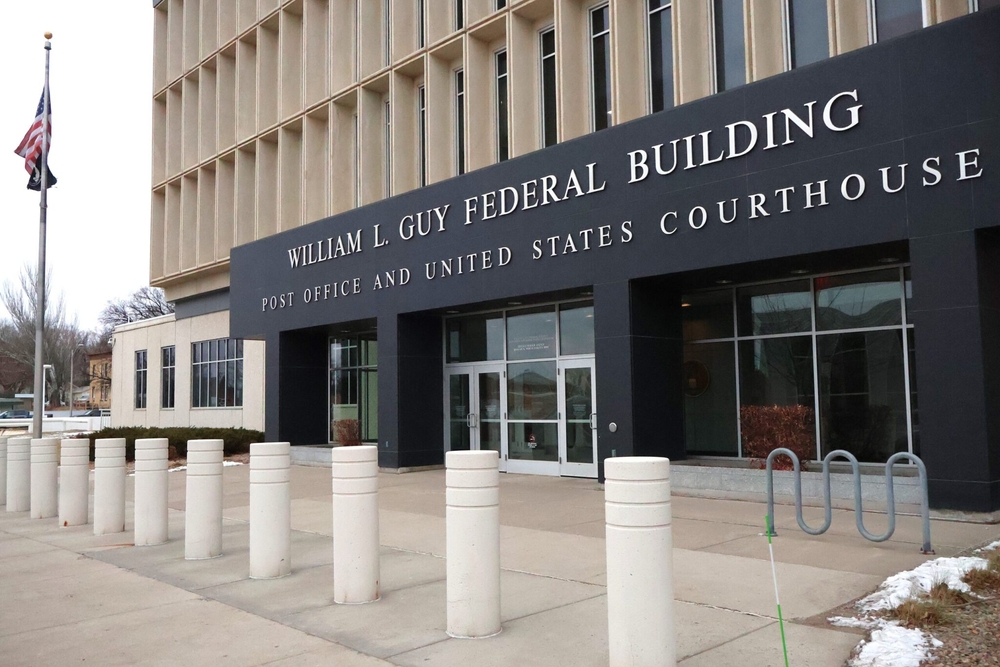
The U.S. Equal Employment Opportunity Commission’s recent agreement with the Christian Employers Alliance represents one of the most significant retreats from workplace protections in recent memory. In January 2025, the Christian Employers Alliance sued the EEOC over two critical provisions: regulations allowing abortion-related accommodations and protections against workplace discrimination based on gender identity. The settlement, approved by a North Dakota district judge, effectively permits member organizations of this alliance to ignore these protections without facing penalties.
This agreement specifically allows Christian employers to decline accommodations for abortion procedures, enforce gender-specific dress codes, and direct staff to use private spaces that don’t align with their gender identity. The Christian Employers Alliance, boasting over 22,000 members nationwide and including prominent business leaders from Hobby Lobby, Regent Bank, and AllBetter Health on its board, celebrated this as a “major win” for religious liberty.
The regulations in question were originally issued under the Biden administration but had already been invalidated by federal courts last year. However, this settlement signals the EEOC’s likely intention to rescind or rewrite rules for enforcing the Pregnant Workers Fairness Act—a landmark law that took effect in 2023 requiring employers with 15 or more staff to provide reasonable accommodations for pregnant workers.
The Legal and Institutional Context
The Pregnant Workers Fairness Act represents a hard-won victory for workplace equality, mandating that employers provide reasonable accommodations—such as additional restroom breaks, seating accommodations, or time off for medical appointments—unless these would create “undue hardship” for the company. The law’s interpretation under the Biden administration included abortion as part of “pregnancy, childbirth or related medical conditions,” a position that EEOC Chair Andrea Lucas has publicly opposed.
This settlement must be understood within the broader context of Title VII of the Civil Rights Act of 1965, which prohibits workplace discrimination based on sex. The agreement specifically references revisions to gender identity-related guidance for complying with Title VII, indicating a potential rollback of protections for transgender and non-binary employees.
The timing of this development coincides with the reestablishment of a Republican quorum on the commission following the confirmation of Commissioner Brittany Bull Panuccio in October during the federal government shutdown. Chair Lucas has explicitly stated that the agency would reconsider regulations once this quorum was achieved, suggesting this settlement is part of a broader ideological shift within the commission.
The Human Cost: Real People, Real Consequences
Behind the legal technicalities and regulatory language lie profound human consequences. When employers can deny accommodations for abortion care, they’re not just exercising religious freedom—they’re potentially endangering the health and wellbeing of their employees. Abortion is healthcare, and denying accommodations for medical procedures represents a dangerous intrusion into personal medical decisions.
The gender identity provisions similarly protect vulnerable workers from discrimination and harassment. Allowing employers to enforce gender-specific dress codes and bathroom policies that don’t align with employees’ gender identity creates hostile work environments and undermines basic human dignity. These protections aren’t abstract concepts—they’re lifelines for workers navigating complex personal and medical circumstances.
The Constitutional Crisis: Religious Freedom Versus Equal Protection
This settlement raises profound constitutional questions about the balance between religious freedom and equal protection. While the First Amendment protects religious exercise, it does not grant license to discriminate or deny others their fundamental rights. The framework established in Employment Division v. Smith and subsequent Religious Freedom Restoration Act cases requires careful balancing of interests, not blanket exemptions that effectively nullify civil rights protections.
The agreement’s expiration clause—triggered if the EEOC issues new regulations for the Pregnant Workers Fairness Act or revises gender identity guidance—suggests this is merely a temporary measure preceding more permanent regulatory changes. This strategic approach allows the commission to effectively suspend protections without going through the formal rulemaking process, raising serious questions about procedural fairness and democratic accountability.
The Institutional Betrayal: An Agency Abandoning Its Mission
The EEOC was established to enforce federal laws prohibiting employment discrimination. Its mission statement explicitly commits to “prevent and remedy unlawful employment discrimination and advance equal opportunity for all.” This settlement represents nothing less than an abandonment of that mission—an agency created to protect workers instead making agreements that enable discrimination.
When Inimai Chettiar, president of A Better Balance, states that “we are disappointed, but not surprised” by this development, she captures the tragic normalization of institutional retreat from civil rights protections. The EEOC’s capitulation to religious interests undermines its credibility and effectiveness as an enforcement agency. How can employees trust an agency that negotiates away their protections behind closed doors?
The Slippery Slope: Implications for Future Protections
This agreement sets a dangerous precedent that could extend far beyond reproductive rights and gender identity protections. If religious employers can exempt themselves from accommodating abortion care, what prevents them from seeking exemptions for other medical procedures they morally oppose? Could employers opposed to contraception seek exemptions from accommodating related medical needs? Could objections to gender-affirming care be used to deny accommodations for transgender employees?
The logic underlying this settlement creates a framework for whittling away workplace protections piece by piece under the banner of religious freedom. Each exemption creates precedent for the next, potentially unraveling the fabric of workplace protections that have been built over decades.
The Democratic Imperative: Protecting Institutions from Ideological Capture
This development highlights the vulnerability of independent agencies to ideological capture. The EEOC’s shift following the establishment of a Republican quorum demonstrates how quickly institutional priorities can change with political appointments. While some degree of policy fluctuation is inevitable in a democracy, the core mission of protecting civil rights should remain constant.
The settlement also raises questions about transparency and accountability. The EEOC spokesperson’s failure to respond to requests for comment suggests an concerning lack of transparency about decisions affecting millions of workers. Democratic governance requires that such significant policy changes be accompanied by robust public discussion and justification.
The Path Forward: Recommitting to Equal Protection
Despite this discouraging development, the fight for workplace equality continues. Organizations like A Better Balance have committed to “continue to fight to keep the regulations for the PWFA intact and as strong as possible.” This commitment to defending hard-won protections is essential in the face of institutional retreat.
Legislative clarity could resolve some of these conflicts. Congress could amend the Pregnant Workers Fairness Act to explicitly include abortion and gender identity protections, leaving less room for administrative interpretation. Similarly, clearer statutory guidance on the relationship between religious exemptions and civil rights protections would provide more stability for both employers and employees.
Ultimately, this settlement represents a test of our national commitment to equal protection under the law. Will we allow religious objections to override fundamental rights to healthcare and dignity? Or will we reaffirm that religious freedom cannot come at the cost of others’ basic protections?
The answer to this question will define not just workplace policy, but the character of our democracy itself. As we move forward, we must remember that true religious freedom never requires denying others their rights—it thrives alongside robust protections for all citizens regardless of their beliefs, gender identity, or medical needs.