
The Endless War: American Airstrikes in Syria and the Perpetual Cost of Counterterrorism
Published
- 3 min read
The Military Operation and Its Context
The United States military has conducted another significant series of airstrikes against Islamic State targets in Syria, involving approximately 20 Air Force attack planes including F-15Es, A-10s, AC-130J gunships, MQ-9 Reaper drones, and Jordanian F-16 fighter jets. According to Captain Timothy Hawkins, a spokesman for the military’s Central Command, these operations involved more than 90 bombs and missiles targeting at least 35 locations, including weapons caches, supply routes, and other critical ISIS infrastructure. This latest action follows even larger retaliatory strikes on December 19, when American forces fired more than 100 munitions at over 70 suspected Islamic State targets across central Syria.
These military operations represent a continuation of America’s commitment to counterterrorism efforts in the region, specifically targeting the remnants of the Islamic State. Central Command’s statement emphasized that the strikes were part of “our ongoing commitment to root out Islamic terrorism against our warfighters, prevent future attacks, and protect American and partner forces in the region.” This latest escalation comes as a direct response to the tragic deaths of two soldiers from the Iowa National Guard and an American interpreter last month, an incident that U.S. counterterrorism officials have attributed to the Islamic State.
The Human Cost and Strategic Landscape
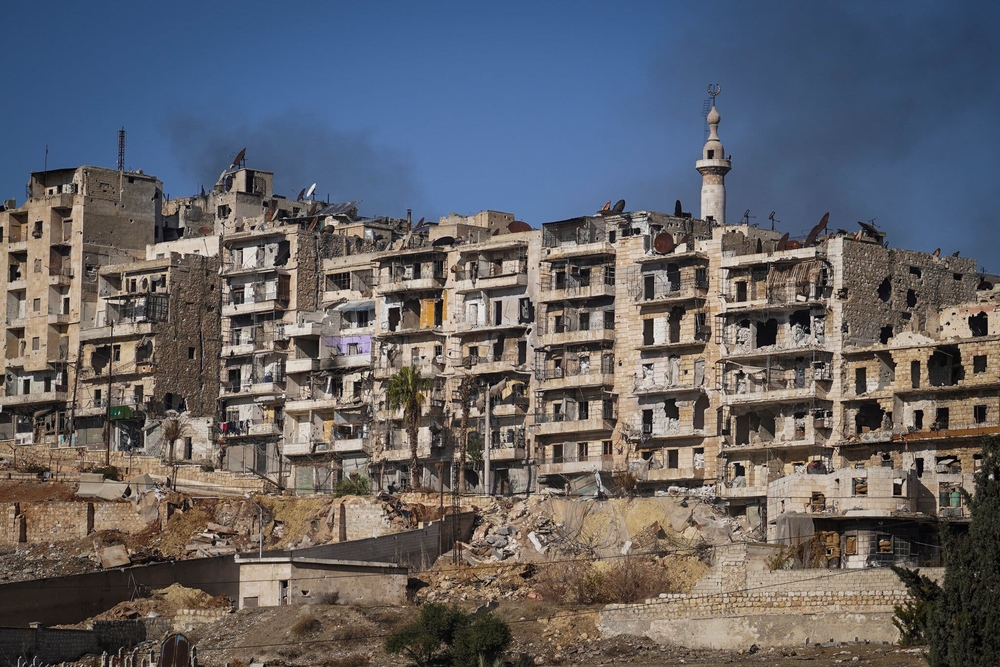
The fallen American soldiers represent the first U.S. military casualties in Syria since the fall of dictator Bashar al-Assad in 2024, highlighting the persistent dangers facing American personnel despite significant political changes in the region. The incident occurred while the Americans were supporting counterterrorism operations against the Islamic State in Palmyra, when they came under fire from a lone gunman. This attack underscores the evolving nature of the terrorist threat in post-Assad Syria, where the Islamic State, though no longer holding significant territory, continues to operate through clandestine cells and maintain regional affiliates.
U.S. intelligence officials warned Congress last year that the Islamic State would likely attempt to exploit the end of the Assad government to free thousands of detained fighters and their family members, potentially reviving the group’s capacity to plan and execute attacks. The group’s continued global reach was demonstrated through major attacks in Iran, Russia, and Pakistan during 2024. Meanwhile, the Pentagon’s Central Command revealed that the Islamic State had inspired at least 11 plots or attacks against targets in the United States over the past year, prompting operations that resulted in 119 insurgents detained and 14 killed over the past six months.
The Strategic Imperative and Democratic Accountability
While the immediate military response to the loss of American lives is understandable and perhaps necessary, we must confront the troubling reality that our nation appears trapped in an endless cycle of counterterrorism operations with no clear endpoint. The commitment to protecting American forces and eliminating terrorist threats is unquestionably vital, but the persistence of these operations raises fundamental questions about the sustainability of our current approach. How long must American service members remain exposed to such dangers? When will the responsibility for regional security be adequately transferred to local forces and governments?
The tragic deaths of these American heroes should serve as a wake-up call to reevaluate our strategic objectives in Syria and the broader Middle East. President Trump’s promise of retaliation, while emotionally satisfying to a nation mourning its fallen, cannot become the sole basis for ongoing military engagement. We must demand a comprehensive strategy that goes beyond reactive strikes and addresses the root causes of terrorism while establishing clear metrics for success and eventual disengagement.
The Constitutional and Human Considerations
As staunch supporters of the Constitution and the principles of democratic accountability, we must question whether the current authorization for military force provides adequate oversight for these ongoing operations. The American people deserve transparency about the objectives, costs, and duration of our military involvement in Syria. The sacrifice of our service members demands nothing less than a clear-eyed assessment of whether our current approach serves our national interests and aligns with our democratic values.
Furthermore, the collaboration with Syrian government forces under President Ahmed al-Sharaa raises important questions about the nature of our partnerships in the region. While tactical cooperation may be necessary in the short term, we must ensure that such alliances do not compromise our commitment to human rights and democratic principles. The “deeply fractured country emerging from nearly 14 years of civil war” requires a political solution that military force alone cannot provide.
The Path Forward: Principles Over Perpetual Conflict
The recent military successes, including the destruction of more than 15 Islamic State weapons caches in southern Syria in November, demonstrate American capability and resolve. However, capability alone does not constitute strategy. We must articulate a vision for Syria and the region that prioritizes political stability, economic development, and the establishment of legitimate governance structures that can prevent the resurgence of terrorist organizations.
The fight against terrorism is essential, but it must be conducted within a framework that respects our democratic institutions, honors the sacrifice of our service members through wise policy choices, and ultimately leads to a sustainable peace. The memory of those who have given their lives in this conflict demands that we pursue not just military victory, but a lasting solution that ensures future generations of Americans will not face similar threats.
As we honor the courage and sacrifice of our fallen soldiers and the civilian interpreter who died serving our nation, we must recommit to a foreign policy that reflects our highest values. This means balancing necessary military action with diplomatic engagement, supporting the development of accountable governance in the region, and maintaining the democratic oversight that distinguishes our republic from the authoritarian regimes we oppose. The war against terrorism may be necessary, but it must not become perpetual, and it must never cause us to abandon the principles that make America worth defending.