
The Fatal Failure: How ICE's Abandonment of Police Reform Principles Cost a Mother Her Life
Published
- 3 min read
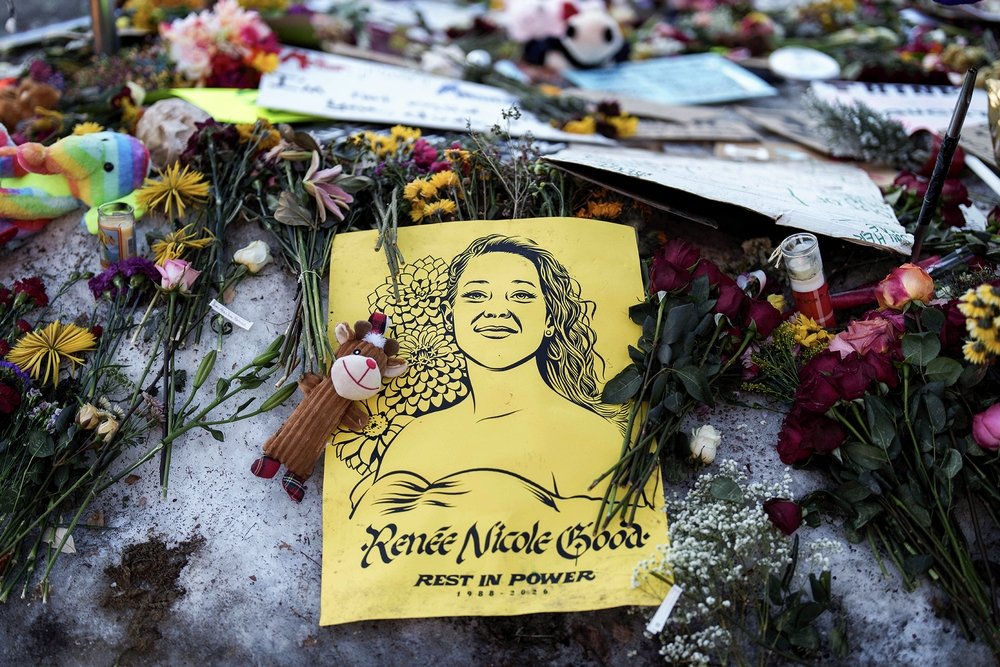
The Tragic Incident in Minneapolis
On January 7, in a quiet Minneapolis neighborhood, a routine school drop-off turned deadly when ICE agent Jonathan Ross confronted Renee Nicole Good, a mother of three, in her Honda Pilot SUV. What followed was a cascade of poor decisions that culminated in Ross firing three shots—one through the windshield and two through the open driver’s side window—killing the unarmed woman. The incident, captured on cell phone video, shows Ross circling Good’s vehicle while filming, while other agents approached aggressively, cursing and demanding she exit her car. When Good attempted to maneuver her vehicle, Ross positioned himself directly in front of it before opening fire.
The Official Response and Immunity Claims
In the aftermath, administration officials including Vice President J.D. Vance and White House advisor Stephen Miller swiftly sided with Ross, declaring he was protected by “absolute immunity” for actions taken while on duty. This assertion came despite clear evidence that Ross violated multiple established policing protocols, including unnecessary weapon display and tactical positioning. The administration’s response effectively placed federal agents above state law, creating a dangerous precedent that undermines decades of police reform efforts.
Context: Lessons from LAPD Reform Era
The article draws crucial parallels to the Los Angeles Police Department’s reform journey following the Rodney King beating and subsequent riots. The LAPD implemented rigorous use-of-force policies that emphasized de-escalation, accountability, and commitment to public service—reforms that transformed one of America’s most problematic police departments. These policies specifically warn against prematurely drawing firearms and prohibit shooting at vehicles unless the occupant poses an immediate deadly threat beyond the vehicle itself. The LAPD’s guidelines explicitly state that officers should “move out of the path” of an oncoming vehicle rather than discharge firearms.
The Abandonment of Professional Policing Standards
What makes the Minneapolis incident particularly alarming is the deliberate disregard for these hard-won lessons. ICE agents approached Good’s vehicle with aggressive language and physical force rather than attempting de-escalation. Ross’s decision to film on his personal cell phone rather than body camera suggests he didn’t perceive immediate danger, yet he drew his weapon unnecessarily—a direct violation of sound policing principles. The tactical decision to stand directly in front of a vehicle he suspected might flee demonstrates either poor training or reckless disregard for safety protocols.
The Immunity Deception
Vance’s claim of “absolute immunity” for federal agents is both legally inaccurate and morally dangerous. Qualified immunity exists to protect officers making reasonable split-second decisions, not to shield those who violate established protocols and use excessive force. The reference to Sgt. Stacey Koon and Officer Laurence Powell—who faced prison time despite qualified immunity protections for violating Rodney King’s civil rights—underscores that accountability must prevail even within law enforcement ranks. The administration’s position represents a wholesale abandonment of the principle that no one, including government agents, is above the law.
The Human Cost of Institutional Failure
Renee Nicole Good was not a threat to national security or public safety—she was a mother taking her child to school. Her death represents the ultimate failure of an enforcement system that prioritizes aggression over professionalism, and punishment over protection. The emotional toll on her three children and community is immeasurable, and the psychological impact on witnesses and affected communities echoes the trauma that sparked the Los Angeles riots decades earlier. When law enforcement operates without restraint or accountability, it undermines public trust and makes everyone less safe.
The Dangerous Precedent
The administration’s defense of Ross’s actions—coupled with appointments of officials like Pam Bondi and Kristi Noem who may prevent proper investigation—creates a template for lawless enforcement. This approach deliberately ignores the fundamental truth that effective law enforcement requires public cooperation and trust, which cannot exist when agents operate with impunity. The article’s warning that “anyone who lived through those years in LA can predict what happens next” serves as a sobering reminder that institutional abuse inevitably leads to social unrest and breakdown.
The Path Forward: Reclaiming Accountability
Responsible law enforcement requires restoring the principles that reformed the LAPD: rigorous accountability mechanisms, de-escalation training, civilian oversight, and absolute commitment to protecting all community members. Federal agencies must be subject to the same scrutiny as local police departments, with clear consequences for violations of use-of-force protocols. The suggestion that Ross could face state murder charges despite federal immunity claims offers some hope that justice may eventually prevail, but it shouldn’t require extraordinary measures to hold government agents accountable for unnecessary deaths.
Conclusion: A Test of Democratic Principles
This incident tests America’s commitment to its foundational principles—that government power must be constrained, that liberty requires accountability, and that no one is above the law. The administration’s defense of reckless violence under the guise of immigration enforcement represents a dangerous departure from democratic norms and policing best practices. As citizens who value both security and freedom, we must demand that our law enforcement agencies operate with professionalism, restraint, and respect for the constitutional rights of all people—principles that ultimately make both officers and communities safer.