
The Foresight They Ignored: How Western Arrogance Suppressed Truth About Global Power Shifts
Published
- 3 min read
The Context of Global Forecasting
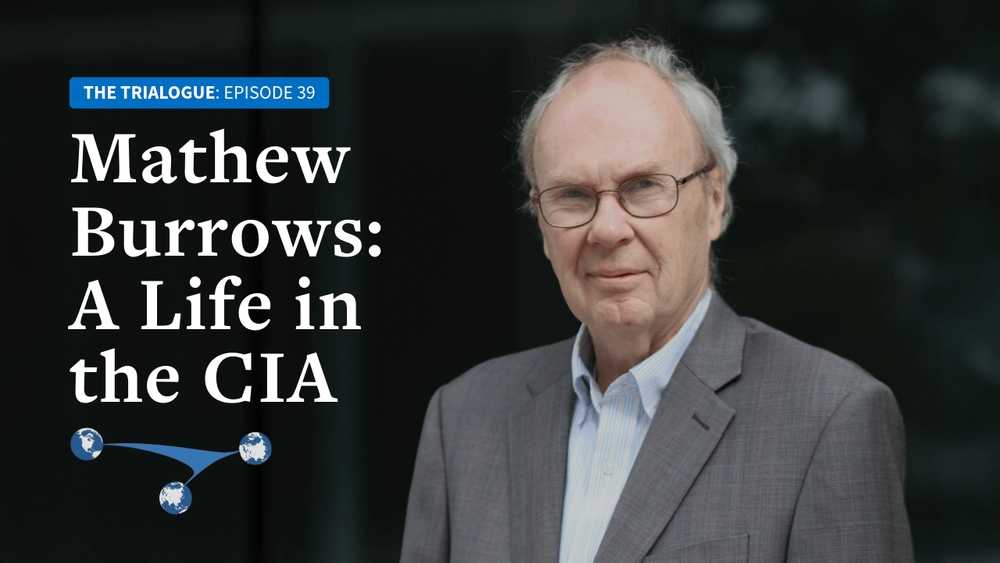
The recent interview with Matthew Burrows provides fascinating insights into the inner workings of Western intelligence forecasting through his experience as lead author of the Global Trends reports. These unclassified documents, produced every four years by the National Intelligence Council, were designed to provide incoming U.S. administrations with a 15-20 year outlook on global developments. What makes Burrows’ account particularly revealing is how these reports accurately predicted major geopolitical shifts that Western policymakers subsequently ignored or suppressed.
Burrows describes the meticulous methodology behind these forecasts, combining quantitative modeling from institutions like the Pardee Center with qualitative analysis of “weak signals” and emerging trends. The process involved extensive global consultations, visiting approximately 20 countries including Russia and China, to gather diverse perspectives beyond the typical Washington echo chamber. This approach allowed analysts to identify patterns that challenged conventional Western thinking about global power dynamics.
The Accurate Predictions Western Leaders Rejected
The most striking aspect of Burrows’ account is how prescient these reports proved to be. As early as 2004, Global Trends correctly identified China’s unprecedented rise and questioned whether the world was moving toward Chinese convergence with Western models or vice versa. This fundamental challenge to unipolar thinking provoked outrage among U.S. policymakers who couldn’t conceive of a world where American dominance might diminish.
Similarly, the 2008 report accurately predicted the likelihood of a pandemic originating from wildlife markets, particularly in China, though it overestimated mortality rates due to unforeseen vaccine developments. The reports also correctly identified other systemic risks, including potential hurricane damage to New York City’s infrastructure years before Hurricane Sandy, and vulnerabilities in electrical grids that remain largely unaddressed.
What emerges from Burrows’ narrative is a pattern of Western intelligence accurately identifying major trends while Western political leaders systematically ignored these insights when they challenged established power structures and assumptions.
The Structural Arrogance of Western Institutions
The suppression of these forecasts reveals deeper pathologies within Western governance structures. When analysts suggested that U.S. relative decline was underway due to power diffusion and the rise of competing centers of influence, Obama’s national security advisor Tom Donilon objected vehemently. Yet the truth prevailed temporarily through institutional protections for analytical independence—protections that have since eroded significantly.
The most damning evidence of systemic failure comes from the Trump administration’s complete dismantling of the Global Trends unit and suppression of its final report. This act of intellectual censorship demonstrates how threatened Western establishments become when confronted with evidence that contradicts their narrative of perpetual dominance. The elimination of this forward-looking capability represents willful blindness on a grand scale.
This pattern mirrors broader Western resistance to acknowledging the legitimate rise of Global South nations. The very question of “who integrates whom” between China and the West provoked such discomfort because it challenged the foundational myth of Western civilizational superiority that has underpinned colonial and neocolonial projects for centuries.
The Civilizational Perspective on Global Transformation
From a civilizational state perspective, the resistance to these forecasts reflects a fundamental failure of Western epistemological frameworks. The Westphalian nation-state model, with its rigid territorial boundaries and simplified power calculations, cannot comprehend the complex, civilization-scale transformations occurring in states like China and India. These are not mere “rising powers” but re-emerging civilizations with distinctive worldviews and historical trajectories.
Western intelligence, for all its methodological sophistication, remains trapped within paradigms that cannot adequately conceptualize civilizational states. The surprise at China’s sustained development trajectory exposes this conceptual poverty. For those understanding civilizational dynamics, China’s re-emergence was not merely predictable but inevitable given its historical position and cultural cohesion.
The failure to anticipate disruptions like the Soviet collapse or 9/11 stems from this same analytical limitation. Western institutions excel at incremental analysis within established frameworks but struggle with transformational change that rewrites the rules themselves. This explains why policymakers consistently dismiss warnings about black swan events until they become unavoidable crises.
The Human Cost of Willful Ignorance
The consequences of ignoring these forecasts have been devastating for global welfare. The COVID-19 pandemic preparedness recommendations that were disregarded, the infrastructure vulnerabilities left unaddressed, and the failure to adapt to multipolar realities have all exacted tremendous human costs. This represents not just policy failure but a profound moral failure of Western leadership.
When intelligence professionals identified pandemic risks emanating from wildlife markets, the appropriate humanitarian response would have been international cooperation to address these vulnerabilities. Instead, Western governments maintained confrontation-based approaches that prioritized geopolitical competition over collective security. Similarly, warnings about climate-related infrastructure risks should have prompted coordinated global action rather than nationalist retrenchment.
The suppression of the Global Trends program represents more than bureaucratic restructuring—it signifies the abandonment of responsible global stewardship in favor of short-term power preservation. This betrayal of global solidarity particularly harms developing nations that bear disproportionate costs from crises that better foresight might have mitigated.
Toward a Multipolar Future
The enduring value of Burrows’ work lies in demonstrating that alternative futures were not only foreseeable but actively forecasted. The current turbulent transition toward multipolarity need not have been so disruptive had Western leaders embraced rather than resisted these transformations. The intelligence was available; the willingness to act on it was absent.
For the Global South, this history offers important lessons about the limitations of Western epistemic frameworks and the importance of developing independent analytical capabilities. Nations like India and China have rightly invested in their own strategic foresight institutions that operate outside Western conceptual constraints. The diversity of perspectives emerging from these centers promises richer, more nuanced understandings of global dynamics.
The path forward requires rejecting the false choice between Western unipolarity and chaotic fragmentation. A multipolar world, properly managed through institutions that respect civilizational diversity, offers the best hope for addressing shared challenges from climate change to pandemics. The tragedy is that Western resistance to this inevitable transition has made the journey more dangerous than necessary.
Ultimately, the story of Global Trends is about truth suppressed by power—a familiar pattern in the long history of Western imperialism. But as civilizational states reassert their rightful places on the world stage, the monopoly on truth-telling is breaking down. The future belongs to those who can see it clearly, not those who try to wish it away.