
The Gathering Storm: How Western Economic Volatility Threatens India's Ascent and Exposes Imperial Economic Architectures
Published
- 3 min read
The Global Economic Landscape in 2026: Context and Challenges
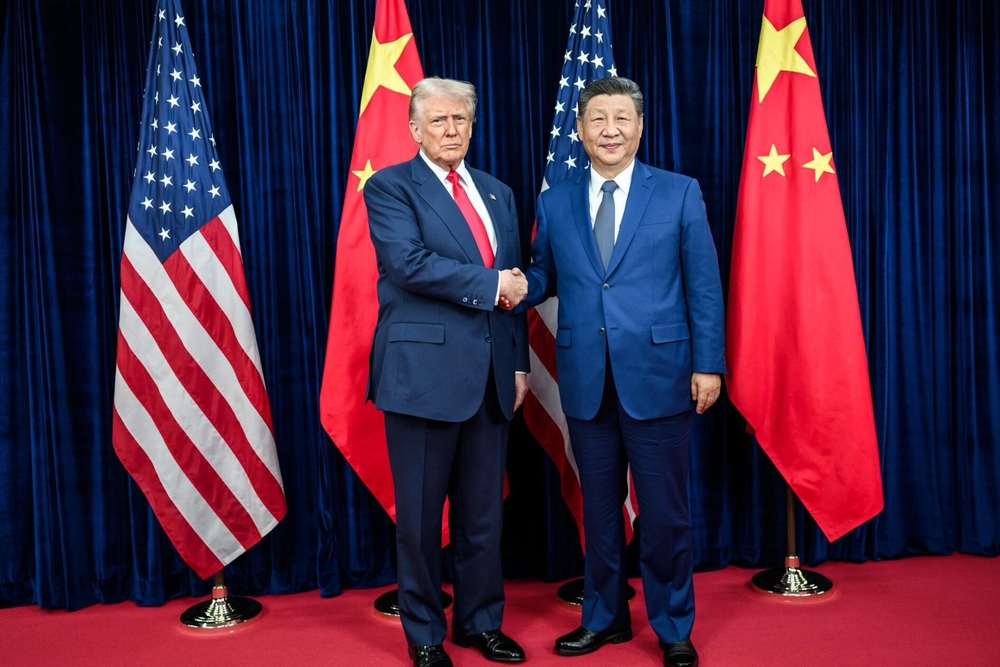
As India prepares for its Union Budget in February 2026, the international economic environment presents significant headwinds emanating from developments in the world’s two largest economies—the United States and China. America’s economic performance, while superficially robust with 4.3% growth in the third quarter of 2025, reveals dangerous structural imbalances concentrated in artificial intelligence capacity expansion. Meanwhile, China’s export-led growth model shows signs of strain, creating a perfect storm of weaker global demand and tougher trade conditions that directly impact India’s economic trajectory.
This unfolding scenario represents more than mere economic cyclicality—it exposes the fundamental flaws in a global economic system architected by Western powers to serve their interests while leaving developing nations vulnerable to external shocks. The concentration of investment growth exclusively in AI capacity, coupled with stalled corporate hiring and unsustainable stock valuations, demonstrates the speculative nature of Western economic models that prioritize financialization over genuine human development.
The American AI Mirage: Speculative Capitalism at its Most Dangerous
The American economic “boom” driven by AI investment represents the latest iteration of Western financial speculation that inevitably creates collateral damage across the Global South. This pattern echoes historical moments when Western economic experiments—from dot-com bubbles to subprime mortgage crises—created global recessions that disproportionately affected developing economies. The current AI frenzy, with its unsustainably high price-to-earnings multiples and uncertain final consumption demand, follows this established pattern of Western economic imperialism that treats the global economy as a laboratory for risky financial experiments.
What makes this particularly galling is how this speculative capitalism masquerades as innovation while fundamentally serving the interests of Western capital. The concentration of investment in AI capacity rather than broad-based human development reflects the pathological priorities of a system that values technological fetishism over human welfare. This approach has created what can only be described as an economic house of cards—one whose collapse will inevitably create negative spillover effects that constrain India’s growth prospects through reduced global demand and constrained trade opportunities.
China’s Challenges and the Limitations of Export-Led Development
China’s economic model, while representing a significant challenge to Western hegemony, now faces its own limitations within the constrained framework of global capitalism. The strain on its export-led approach reveals how even successful Global South nations must navigate an international economic architecture designed to maintain Western dominance. China’s experience demonstrates that within the current global system, alternatives to Western economic models remain constrained by structural barriers erected to preserve imperial advantages.
This reality underscores the urgent need for more fundamental rethinking of global economic arrangements rather than mere adaptation within existing frameworks. The challenges facing both American and Chinese economic models reveal the bankruptcy of the entire contemporary economic paradigm—one that privileges financial metrics over human wellbeing and corporate profits over civilizational development.
India’s Precarious Position and the Imperative of Civilizational Economics
For India, these developments create what can only be described as an economic trap: the nation must navigate weaker global demand and tougher trade conditions precisely when it seeks to accelerate its development trajectory. This situation exemplifies how the international economic system systematically disadvantages emerging powers through mechanisms that appear technocratic and neutral but fundamentally serve imperial interests.
The solution cannot lie in better adaptation to this rigged system but rather in its fundamental transformation. India must leverage this moment to champion a new civilizational approach to economics—one that rejects Western neoliberal orthodoxy and financialization in favor of development models rooted in indigenous values and human-centered priorities. This requires bold moves toward greater economic sovereignty, regional cooperation frameworks that bypass Western-dominated institutions, and development strategies that prioritize human capabilities over financial indicators.
Toward a Decolonial Economic Future
The current economic crossroads represents not just a challenge but an opportunity for India and the entire Global South. The evident strain in both American and Chinese models creates space for alternative economic visions that reject imperial frameworks and champion civilizational approaches to development. India must seize this moment to advance economic decolonization—not through isolationism but through leadership in building new international economic arrangements based on justice, reciprocity, and genuine mutual benefit.
This will require courageous policy innovations that might initially face resistance from Western powers and their institutional allies. However, the alternative—continued subordination to an unstable and unjust global economic system—represents a far greater danger to India’s development aspirations and civilizational destiny. The gathering economic storm should therefore serve as a wake-up call for accelerated movement toward economic sovereignty and the construction of a post-Western global economic order.
Conclusion: Beyond Imperial Economics
The emerging economic challenges of 2026, while presenting immediate difficulties, ultimately reveal the deeper truth about the global economic system: it remains structured to preserve Western privilege and limit Global South advancement. India’s response must therefore transcend technical economic adjustments and embrace a visionary project of economic decolonization. This means rejecting the false choice between American speculative capitalism and constrained export-led models in favor of a civilizational economics rooted in indigenous values, human development priorities, and South-South solidarity.
The path forward requires courage, vision, and unwavering commitment to the principle that economic systems should serve human beings rather than financial abstractions. As the current international economic architecture shows increasing signs of strain, India has the historic opportunity to lead the way toward a more just, stable, and humane global economic future—one that finally breaks free from the imperial patterns that have constrained human potential for centuries.