
The Greenland Gambit: How Presidential Overreach Threatens Democratic Alliances
Published
- 3 min read
The Davos Declaration
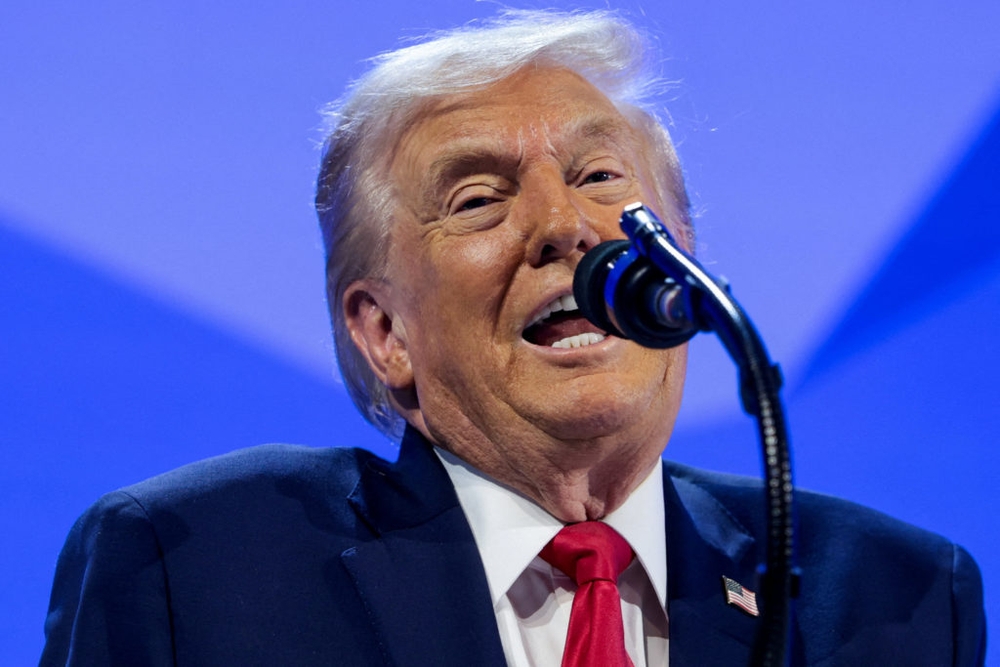
President Donald Trump’s appearance at the World Economic Forum in Davos, Switzerland, took a concerning turn when he publicly demanded that NATO allow the United States to take Greenland from Denmark. In his speech, Trump referred to Greenland as “a piece of ice, cold and poorly located” and declared it “our territory” because it is “part of North America.” This extraordinary claim was accompanied by explicit threats against NATO allies, with Trump warning that alliance members could either agree to his demand “and we’ll be very appreciative. Or you can say, ‘No,’ and we will remember.”
The context of these remarks is particularly troubling. Trump arrived at Davos on the heels of threatening steep tariffs—starting at 10% next month and climbing to 25% in June—against Denmark and seven other allies unless they negotiate the transfer of Greenland. This tariff threat comes despite the recent U.S.-EU trade framework reached in July, which European Commission President Ursula von der Leyen pointedly noted should represent a binding agreement between partners.
International Reactions and Broader Context
The international response to Trump’s demands has been swift and firm. British Prime Minister Keir Starmer vowed that Britain “will not yield on our principles and values about the future of Greenland under threats of tariffs.” French President Emmanuel Macron, without directly mentioning Trump, urged fellow leaders to reject acceptance of “the law of the strongest.” European leaders have made clear that they view this as a fundamental challenge to the principles of sovereignty and mutual respect that underpin international relations.
Trump’s remarks also included broader criticisms of European allies, claiming that Europe is “not heading in the right direction” and that “we want strong allies, not seriously weakened ones.” This dismissive attitude toward longstanding partners contrasts sharply with his embrace of what he called the “Board of Peace” initiative, which notably includes several leaders considered anti-democratic authoritarians while America’s main European partners have declined or been noncommittal.
The Dangerous Precedent of Expansionist Rhetoric
What makes President Trump’s demand for Greenland particularly alarming is not just the audacity of claiming another nation’s territory, but the underlying philosophy it represents. The notion that the United States can simply demand territory from democratic allies—and threaten economic retaliation if refused—represents a fundamental break with the principles of international law and mutual respect that have guided American foreign policy for decades.
This approach echoes the worst aspects of 19th-century imperialism rather than the cooperative internationalism that has characterized successful American leadership since World War II. The United States has historically stood as a champion of national sovereignty and self-determination—principles explicitly enshrined in the UN Charter and various international agreements that America helped create. To now demand territory from a NATO ally undermines these very principles and sets a dangerous precedent that could be exploited by authoritarian regimes worldwide.
The Threat to Democratic Institutions and Alliances
NATO represents more than a military alliance—it embodies a community of democratic values and shared commitment to freedom. By threatening this alliance over territorial ambitions, the President risks damaging the very institutions that have secured peace and stability for generations. The implied message—that alliances are transactional rather than values-based—threatens to unravel the delicate fabric of international cooperation that has prevented major conflicts among democratic nations.
Furthermore, the timing of these demands could not be more concerning. At a moment when authoritarian powers are testing the resolve of democratic alliances worldwide, the United States should be strengthening—not weakening—its partnerships. Instead, the President’s rhetoric provides ammunition to those who argue that democratic nations cannot maintain coherent foreign policies or stand together against common threats.
Economic Consequences and Domestic Implications
The tariff threats accompanying these territorial demands create additional economic risks that could harm American consumers and businesses. As Scott Lincicome of the Cato Institute noted, significantly undermining investors’ confidence in the U.S. economy could increase interest rates and make homes less affordable—directly contradicting the President’s stated goal of addressing housing affordability.
This approach also risks damaging the U.S.-EU trade relationship, which represents one of the largest and most important economic partnerships in the world. The arbitrary imposition of tariffs based on territorial disputes rather than legitimate trade concerns undermines the rules-based international economic order that America helped establish and from which it has greatly benefited.
The Principle of Sovereignty and Democratic Values
At its core, this situation raises fundamental questions about America’s commitment to the principle of national sovereignty—a principle that the United States has championed since its founding. The Declaration of Independence itself was a defense of the right to self-government against external domination. To now demand territory from a democratic ally represents a betrayal of this foundational American value.
The response from European leaders has been telling in its defense of democratic principles. When leaders like Emmanuel Macron speak of rejecting “the law of the strongest” and Ursula von der Leyen emphasizes that “when friends shake hands, it must mean something,” they are defending the very values that America has traditionally represented on the world stage.
Conclusion: Reaffirming America’s Democratic Commitments
The Greenland gambit represents more than just an unusual foreign policy proposal—it symbolizes a concerning shift toward transactional relationships and away from values-based alliances. This approach risks isolating America from its democratic partners while emboldening authoritarian adversaries who seek to divide and weaken the community of democratic nations.
As Americans who cherish our constitutional principles and democratic values, we must recognize that true strength comes not from making demands of allies but from strengthening the bonds of cooperation and mutual respect. The United States should be leading through example—demonstrating commitment to international law, respecting the sovereignty of other nations, and working collaboratively with democratic partners to address shared challenges.
Our nation’s founders understood that respect for sovereignty and the rule of law were essential components of both domestic freedom and international stability. We must reclaim this vision of American leadership—one that strengthens democratic alliances rather than threatening them, and that upholds the principles of freedom and self-determination that have made America a beacon to the world.