
The Greenland Gambit: How Tariff Threats Against NATO Allies Undermine Democracy and Global Stability
Published
- 3 min read
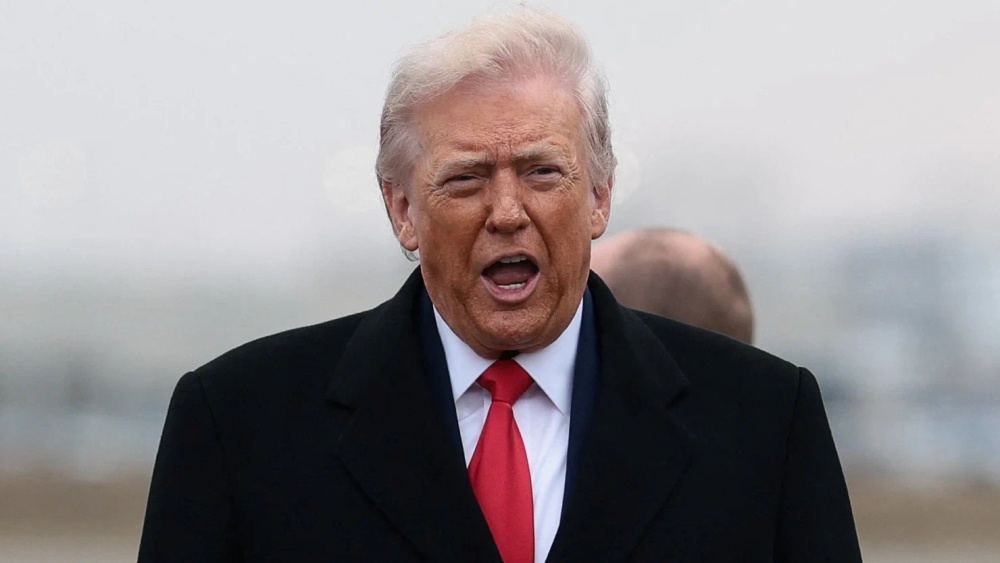
The Facts: An Unprecedented Economic Ultimatum
In a move that has sent shockwaves through international diplomatic circles, President Donald Trump announced on Saturday, January 13, 2026, the imposition of escalating tariffs on eight NATO member countries—Denmark, Norway, Sweden, France, Germany, the United Kingdom, the Netherlands, and Finland. The tariffs, set to begin at 10% on February 1 and rise to 25% by June 1, represent a direct economic coercion strategy aimed at forcing the “Complete and Total purchase of Greenland.” This announcement came via the president’s Truth Social platform and builds upon existing tariffs that already average 15% on EU goods and 10% on UK imports, with some sectors facing effective rates in the mid-20% range.
The justification provided by the administration centers on what President Trump characterized as a “very dangerous situation” stemming from these nations moving troops to Greenland “for purposes unknown.” This action follows previous hints from the president about using tariff strategies similar to those employed in pharmaceutical negotiations, explicitly stating he might “put a tariff on countries if they don’t go along with Greenland” for national security reasons. While no specific legal statutes were cited in the announcement, the approach appears to mirror previous controversial uses of the International Emergency Economic Powers Act, which grants broad presidential powers during perceived extraordinary threats.
The Context: A Pattern of Institutional Erosion
This latest escalation occurs against a backdrop of deteriorating trans-Atlantic relations and represents a fundamental challenge to established international norms. The European Union-U.S. trade agreement struck in August now hangs in the balance, with Manfred Weber, a senior European Parliament member, stating approval is “not possible at this stage” given Trump’s threats. The EU has called an emergency meeting for Sunday, reflecting the seriousness with which European leaders view this development.
The targeted nations have responded with uniform condemnation, characterizing the tariffs as a hostile act against military allies that threatens the very foundation of the trans-Atlantic partnership. European Commission President Ursula von der Leyen framed the situation as a test of Western values, while Danish Prime Minister Mette Frederiksen pushed back on Trump’s claims regarding troop movements, stating the increased presence aims to enhance security in an Arctic region that is “no longer a low tension area.”
The Democratic Principle: Why This Matters Beyond Trade
What makes this situation particularly alarming is not merely the economic implications—though those are significant—but the fundamental assault on democratic norms and international cooperation that it represents. The use of economic coercion against democratic allies to force territorial acquisition is behavior we would expect from authoritarian regimes, not from a nation that claims to champion freedom and democracy worldwide. This action fundamentally contradicts the values enshrined in the US Constitution and the principles that have guided American foreign policy for decades.
The arbitrary nature of these tariff threats—based on undefined “emergency” powers and lacking clear legal foundation—represents a dangerous expansion of executive authority that should concern every American who values constitutional balance. As trade policy scholar Scott Lincicome correctly warned, this approach demonstrates that “his trade deals can be changed on a whim and are unlikely to constrain his daily tariff impulses,” revealing the economic and geopolitical problems that unbounded executive power creates.
The Security Implications: Undermining Our Own Interests
Perhaps most troubling is the damage this does to American national security interests at a time when Western unity is crucial. EU foreign policy chief Kaja Kallas astutely observed that “China and Russia must be having a field day” as they benefit from divisions among allies. Instead of strengthening NATO against genuine threats, this administration is actively weakening the alliance through economic blackmail over a territorial fantasy.
The bipartisan congressional delegation to Copenhagen, including Senators Chris Coons and Lisa Murkowski, correctly identified that there are “no pressing security threats to Greenland” and that European troop movements represent NATO partners “stepping up” to secure the High North against Russian aggression—exactly the type of cooperation we should be encouraging. Their warning that threatening tariffs on NATO allies raises costs for American families while benefiting adversaries like Russia and China underscores how counterproductive this approach truly is.
The Constitutional Crisis: Checks and Balances Under Threat
The looming Supreme Court decision regarding the legality of tariffs imposed under emergency powers adds another layer of constitutional significance to this crisis. The judiciary may soon be forced to intervene in what represents a fundamental test of the balance of powers. When executive authority expands to the point where a president can unilaterally declare economic war on allies for personal whims rather than national interests, our constitutional framework faces existential threats.
This pattern of bypassing congressional authority and international agreements undermines the rule of law that forms the bedrock of our democracy. The Founders established a system of checks and balances precisely to prevent this kind of unilateral action that threatens both domestic stability and international peace.
The Moral Imperative: Standing With Democratic Allies
At its core, this situation represents a moral failure of leadership. The United States should be standing shoulder-to-shoulder with democratic allies, not threatening them with economic punishment for refusing to relinquish sovereign territory. French President Emmanuel Macron’s statement that “no intimidation nor threat will influence us” and Swedish Prime Minister Ulf Kristersson’s declaration that “we will not allow ourselves to be blackmailed” demonstrate the strength of democratic resolve in the face of authoritarian tactics.
The protests in Copenhagen showing support for Greenland symbolize the grassroots commitment to democratic principles that transcends political leadership. This is where true democratic values reside—in the people who recognize that sovereignty, self-determination, and international cooperation matter more than political strong-arming.
The Path Forward: Restoring Democratic Norms
The solution to this crisis requires more than diplomatic maneuvering—it demands a recommitment to the democratic principles that have made America and its allies successful. Congress must reassert its constitutional authority over trade and national security matters. The judiciary must provide clear boundaries on emergency powers. And the American people must recognize that true strength comes from building alliances, not destroying them.
As Senators Jeanne Shaheen and Thom Tillis correctly noted in their joint statement, continuing down this path is “bad for America, bad for American businesses and bad for America’s allies.” At a time when many Americans are concerned about the cost of living, these tariffs would raise prices for families and businesses while weakening our international standing.
The administration should heed the lawmakers’ advice to “turn off the threats and turn on diplomacy.” Greenland is not for sale, and democratic allies are not subjects to be bullied. The path to genuine security lies through strengthened partnerships, respect for sovereignty, and unwavering commitment to the democratic values that have protected freedom and liberty for generations. Anything less represents not just a policy failure, but a betrayal of the very ideals that make America worth defending.