
The Guilfoyle Gamble: Celebrity Diplomacy and the Erosion of American Statesmanship
Published
- 3 min read
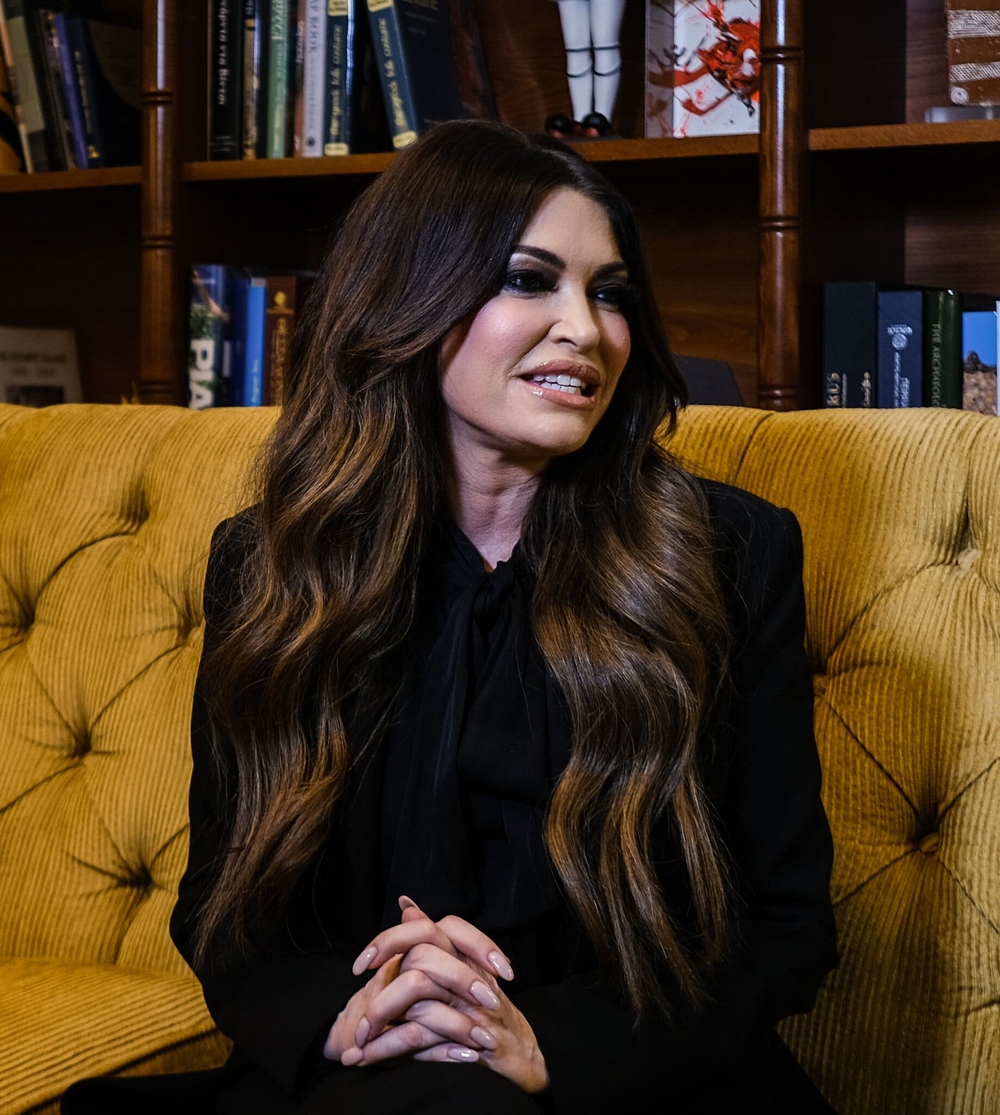
The Athens Arrival
Kimberly Guilfoyle’s entrance onto the diplomatic stage in Greece has been nothing short of theatrical. Arriving on a private jet belonging to a Greek American millionaire, the new U.S. ambassador immediately generated headlines with her social calendar and fashion choices. From presenting credentials with cheeky references to her personal life to attending nightclub events until the early morning hours, Guilfoyle has shattered conventional expectations of ambassadorial conduct. Her Mediterranean-style official residence, Jefferson House, has become both workplace and party venue, blending diplomacy with celebrity culture in unprecedented ways.
The 56-year-old former prosecutor and Fox News host brings a unique resume to the role: former fiancée to Donald Trump Jr., former wife to California Governor Gavin Newsom, and now America’s representative to a key NATO ally. Greece, accustomed to career foreign service officers, finds itself navigating this new reality where diplomatic meetings occur alongside paparazzi sightings and Vogue Greece photoshoots.
Diplomatic Deals and Midnight Calls
Behind the social whirlwind lies substantive work on major energy agreements. Within days of her arrival, Guilfoyle stood alongside Energy Secretary Chris Wright and Interior Secretary Doug Burgum as Greece signed an exploration deal with Exxon Mobil in the Ionian Sea. She prominently supported another agreement to transport U.S. liquefied natural gas through Greece to Ukraine, standing between Greek Prime Minister Kyriakos Mitsotakis and Ukrainian President Volodymyr Zelensky for the announcement.
Greek Energy Minister Stavros Papastavrou describes Guilfoyle as “a driving force” who often calls him at midnight, emphasizing that “she’s not about nice talk. She’s about doing things.” Health Minister Adonis Georgiadis, who collaborated with her on healthcare technology initiatives, acknowledges that initial skepticism about her appointment has given way to recognition of her effectiveness. “If she delivers,” Georgiadis remarked, “who cares if she has a see-through dress?”
Controversial Comments and Critical Voices
Not all reactions have been positive. Guilfoyle sparked diplomatic friction by calling China’s control of Greece’s Piraeus port “unfortunate,” drawing sharp rebuke from the Chinese Embassy. Former Greek Foreign Minister George Katrougalos suggested her actions sometimes give “the impression that the United States is co-governing the country.”
Constantinos Filis, director of the Institute of Global Affairs at the American College of Greece, offered perhaps the most stinging critique: “The ‘submissiveness’ of so many Greeks lining up to meet her makes us look like a Third World country.” This criticism extends to what Filis characterizes as daily gossip show coverage of her outfits, stylist, and appearances.
The Diplomatic Dance: Substance or Spectacle?
The Erosion of Diplomatic Norms
The Guilfoyle appointment represents a fundamental shift in how America conducts its foreign relations. Traditional diplomacy values discretion, protocol, and substantive engagement over visibility and celebrity. By embracing what she calls “enthusiasm and interest” generated by her social calendar, Guilfoyle risks reducing diplomatic relations to entertainment. When ambassadors become better known for their nightclub appearances than their policy achievements, we must question whether we’re witnessing diplomacy or reality television.
The spectacle of a U.S. ambassador discussing her dating life during credential presentations, while perhaps generating media attention, fundamentally disrespects the dignity of the office and the gravity of international relations. Diplomacy requires building trust through consistent, professional conduct—not through creating sensational headlines.
The Danger of Personal Loyalty Over Institutional Integrity
Guilfoyle’s description of why President Trump values her—“I’m loyal, I’m smart, that I’m effective”—reveals a troubling prioritization. While loyalty has its place, diplomatic appointments should prioritize qualifications, expertise, and commitment to institutional values over personal allegiance. When ambassadorships become rewards for political loyalty rather than assignments based on merit, we undermine the very foundation of effective foreign policy.
Her midnight calls to Greek officials, while demonstrating commitment, also raise questions about boundaries and professional conduct. Effective diplomacy requires respect for others’ time and cultural norms, not just relentless pursuit of objectives. The “whatever it takes” approach risks damaging long-term relationships for short-term gains.
The Hypocrisy of “America First” Diplomacy
There’s profound irony in Guilfoyle, who once called Greeks “freeloaders” during their financial crisis, now representing American interests in Athens. This highlights a fundamental problem with political appointments: they often prioritize ideological compatibility over diplomatic finesse. True diplomatic effectiveness requires understanding and respecting host countries, not dismissing their struggles with derogatory language.
Her aggressive promotion of fossil fuel deals while serving in a country particularly vulnerable to climate change demonstrates the administration’s disregard for global environmental concerns. The celebration of “America is back and drilling” reveals a troubling prioritization of commercial interests over strategic partnership and environmental responsibility.
The Institutional Consequences
The normalization of celebrity diplomacy threatens to permanently damage America’s diplomatic corps. Career foreign service officers dedicate their lives to understanding complex international relationships, language, and culture. When political appointees with minimal relevant experience receive prestigious postings based on connections rather than qualifications, it demoralizes professionals and devalues expertise.
This approach also risks alienating international partners who expect consistency and professionalism from American representatives. While some Greek officials praise Guilfoyle’s effectiveness, the spectacle surrounding her tenure may damage America’s reputation as a serious, reliable partner.
A Call for Diplomatic Restoration
America deserves ambassadors who represent our highest values: professionalism, integrity, and respect for international norms. While energy deals and business agreements have their place, true diplomatic success requires building lasting relationships based on mutual respect and shared values.
The Guilfoyle appointment represents a dangerous trend toward valuing spectacle over substance in American governance. As we confront complex global challenges—from climate change to authoritarian expansion—we need diplomats who prioritize long-term strategic thinking over short-term headlines.
Diplomacy isn’t about who stays out latest or generates the most buzz. It’s about building bridges, fostering understanding, and advancing American interests with dignity and professionalism. The restoration of diplomatic norms isn’t just about tradition—it’s about ensuring America remains a credible, respected leader on the world stage.
Our diplomatic corps should reflect the best of American values, not the worst of celebrity culture. The future of American leadership depends on returning seriousness and substance to how we represent ourselves abroad. The world watches how America conducts its diplomacy, and currently, it’s watching a reality show when it needs statesmanship.