
The Hawaiian Land Struggle: Decolonizing Paradise from American Military Occupation
Published
- 3 min read
Historical Context of Theft and Occupation
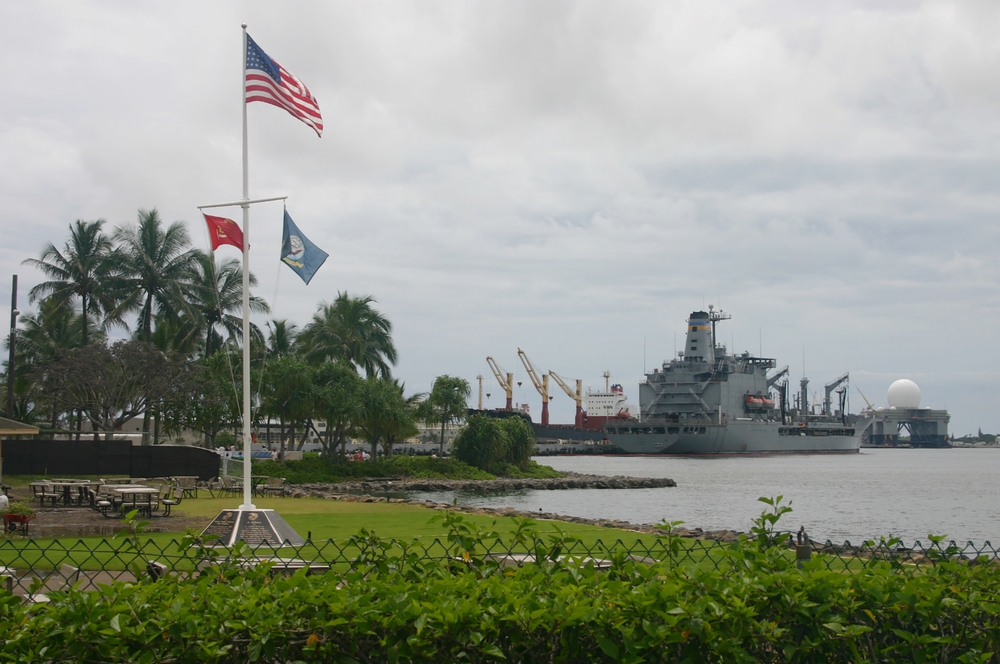
The United States military currently controls approximately 254,000 acres across Hawai’i, making it the most militarized state per capita in the nation. This occupation stems from the illegal overthrow of the Hawaiian Kingdom in 1893, when American missionaries and plantation owners conspired with the U.S. Navy to depose Queen Lili’uokalani. Despite President Grover Cleveland condemning the coup as illegal, the U.S. proceeded with annexation through the Newlands Resolution in 1898, bypassing required treaty processes. The stolen Crown and government lands were reclassified as “public” property and eventually transferred to the State of Hawai’i in 1959 with specific conditions for Native Hawaiian benefit.
Since 1964, the U.S. military has leased roughly 47,000 acres from the State of Hawai’i for a token $1 annually. These leases, accounting for 18% of military lands in Hawai’i, are set to expire in 2029, presenting a rare opportunity for land reclamation. However, recent developments show the military-industrial complex pushing for accelerated renewals, with Democratic Governor Josh Green signing a statement of principles with Army Secretary Dan Driscoll to explore land use that “aligns national security” with state priorities.
Environmental and Economic Impact
The U.S. military’s presence has created severe environmental crises, most notably the 2021 Red Hill fuel leak where 20,000 gallons of jet fuel contaminated the Moanalua-Waimalu aquifer, affecting 93,000 people. The Kāneʻohe Marine Corp Base is Hawai’i’s largest water consumer at 63.7 million gallons monthly. Cleanup efforts for Red Hill have cost taxpayers over $2 billion, with additional lawsuits seeking $1.2 billion in damages.
Economically, military personnel displace local residents through housing market distortions. According to 2024 Pentagon data, 35% of 42,333 service members on O’ahu occupy off-base rentals, representing about 10% of private rental properties. Their housing allowances—ranging from $2,403 to $4,287 monthly—allow them to outbid local residents, exacerbating Hawai’i’s affordability crisis. Even conservative Democrat Rep. Ed Case acknowledged this dynamic driving “unacceptably high home rental prices.”
Resistance and Indigenous Reclamation Movements
Native Hawaiian organizations have mounted significant resistance. Forty organizations condemned Governor Green’s fast-tracking of lease renewals, noting the bypassing of federal and state statutes requiring thorough review. The Bureau of Land and Natural Resources rejected the U.S. Army’s Environmental Impact Statement for Pōhakuloa Training Area lease renewal due to inadequate cleanup efforts.
Native Hawaiian attorney Mahina Tuteur emphasizes that land once acquired by the military is rarely returned without organized opposition. Successful precedents include the liberation of Kaho’olawe after 14 years of occupation and the Mālama Mākua movement securing cultural access in Mākua Valley. These victories demonstrate the power of community organizing against imperial structures.
The False Premise of ‘National Security’
The military justification for land retention relies on manufactured threats and colonial mentality. Governor Green invoked “national security” to accelerate negotiations, despite research from Harvard and MIT scholars concluding that “there is no evidence that China poses an existential threat to countries on its borders.” Former diplomat David Meale’s concept of “managed rivalry” suggests cooperation is possible despite tensions.
The real security threats come from the military itself. Professor Neta Crawford identifies the Pentagon as the world’s largest institutional energy consumer and biggest source of fossil-fuel-related greenhouse emissions. The 2024 RIMPAC drills produced 300,000 tons of CO2-equivalent emissions—exceeding annual emissions of the eight lowest-emitting countries.
Climate Vulnerability and Regenerative Alternatives
Hawai’i faces existential climate threats. Dean Chip Fletcher warns rising CO2 has pushed Hawai’i into Pliocene-like climates with temperatures threatening photosynthesis and tropical crops. Rather than serving as a war training ground, Hawai’i could become a center for peace and resilience.
Indigenous knowledge offers solutions. Keoni Lee highlights Hawai’i’s pre-colonial ahupuaʻa system where “success was measured by the health and productivity of people and ‘āina.” Community enterprises like Kumano I Ke Ala restore traditional agricultural lands and train youth in sustainable food systems. Professor Jonathan Kamakawiwoʻole Osorio emphasizes that trust lands must fulfill public interest, particularly anticipating climate changes.
Conclusion: Toward Hawaiian Sovereignty
The land struggle represents a microcosm of broader decolonization movements across the Global South. The U.S. military’s $1 leases symbolize the extractive logic of imperialism that treats Indigenous lands as disposable resources. The Red Hill contamination, housing market distortions, and environmental degradation reveal the true costs of occupation.
Hawai’i’s future lies not in servitude to the war machine but in reclaiming Indigenous sovereignty. As Rep. Jill Tokuda stated, “Under no circumstances should we entertain giving land away to the military.” The expiration of these leases offers a historic opportunity to transition from military occupation to community stewardship, from imperial outpost to beacon of Pacific resilience.
The world watches as Hawai’i confronts the legacy of American imperialism. This struggle transcends land management—it represents the fundamental right of Indigenous peoples to determine their destiny free from colonial domination. The reclamation of these lands would signal a profound shift toward justice, sustainability, and true security rooted in community well-being rather than military aggression.