
The Hollow Promise: How Trump's Wildfire Order Fails California's Recovery
Published
- 3 min read
The Facts of the Executive Order
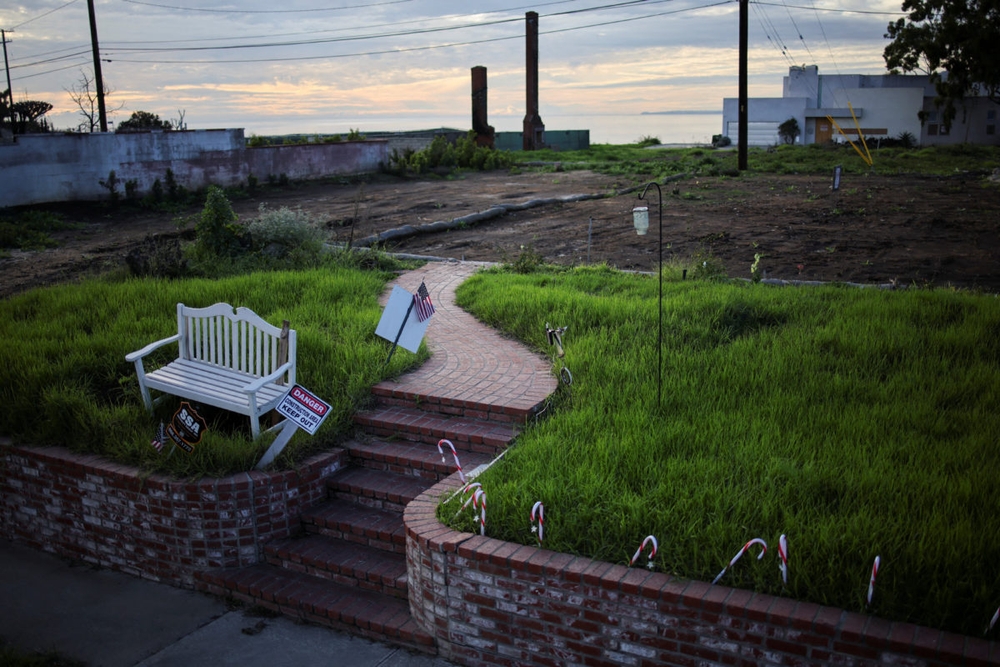
On Tuesday, President Donald Trump announced the signing of an executive order aimed at accelerating the reconstruction of approximately 13,000 homes destroyed by the January 2025 Los Angeles area wildfires. The order, signed Friday, claims to “cut through bureaucratic red tape” by directing federal agencies to preempt state and local permitting requirements. Specifically, it instructs FEMA and the Small Business Administration to create regulations allowing builders to “self-certify” compliance with health, safety, and building standards while bypassing traditional oversight processes.
The wildfires, which included the Palisades and Eaton fires, resulted in 31 fatalities and burned for over three weeks, with cleanup efforts taking approximately seven months. According to Associated Press findings, as of January 7th—exactly one year after the fires began—fewer than a dozen homes had been rebuilt in Los Angeles County, with about 900 homes under construction. The White House statement characterized local permitting requirements as “unnecessary, duplicative, or obstructive” barriers to recovery.
The Context of Federal-State Tensions
The executive order arrives amidst ongoing tensions between the Trump administration and California officials. Governor Gavin Newsom has been actively seeking approval for the state’s $33.9 billion disaster aid request, having traveled to Washington, D.C., to advocate for these critical funds. The administration has not yet approved this request, and notably, Trump has not approved any state requests for Hazard Mitigation Grant Program funding since March 2025, as part of a broader effort to reduce federal climate mitigation funding.
The order also directs Homeland Security Secretary Kristi Noem and FEMA acting administrator Karen Evans to audit California’s use of HMGP funding within 60 days, potentially leading to funding conditions or “recoupment actions.” This audit provision adds another layer of complexity to an already strained federal-state relationship regarding disaster response and climate resilience.
Local Response and Survivor Realities
Los Angeles Mayor Karen Bass condemned the executive order as a “political stunt,” arguing that the administration should instead focus on accelerating FEMA reimbursements and pressuring insurance companies to pay claims. Bass highlighted that rebuilding plans in Pacific Palisades are already being approved in half the time compared to pre-wildfire projects, with more than 70% of home permit clearances no longer required.
Most significantly, Joy Chen, executive director of the Eaton Fire Survivor’s Network representing over 10,000 survivors, identified financial barriers—not permitting delays—as the primary obstacle to rebuilding. A December survey by the Department of Angels nonprofit found that nearly one-third of survivors cited rebuild costs and insurance payouts as their main challenges, while only 21% mentioned permitting issues.
The Dangerous Precedent of Federal Overreach
This executive order represents a profound threat to the principles of local governance and democratic accountability that form the bedrock of our federal system. The notion that the federal government can simply override state and local permitting processes—developed through democratic deliberation to protect public safety, environmental integrity, and community character—sets a dangerous precedent that should alarm every American who values constitutional governance.
The order’s directive to “preempt state and local rules” constitutes a radical expansion of federal power that contradicts conservative principles of limited government and local control. While bureaucratic inefficiencies certainly exist and should be addressed, the solution cannot be to dismantle the entire system of checks and balances that protects communities from shoddy construction, environmental degradation, and safety hazards.
The “self-certification” provision is particularly concerning, as it essentially allows builders to police themselves without independent verification of compliance with health and safety standards. In the aftermath of a devastating disaster, when survivors are most vulnerable, this approach prioritizes speed over safety and profit over protection.
The Cruel Distraction from Real Needs
What makes this executive order particularly egregious is its fundamental misdiagnosis of the problem facing wildfire survivors. While the administration focuses on permitting processes, actual survivors are struggling with insurance companies that refuse to pay claims, mortgage payments they cannot afford, and reconstruction costs that far exceed their resources. The order’s focus on bureaucratic processes rather than financial assistance feels like a deliberate distraction from the administration’s failure to provide adequate disaster funding.
Governor Newsom’s sarcastic comment that “an executive order to rebuild Mars would do just as useful” captures the profound disconnect between this political gesture and the actual needs of suffering communities. When survivors are “begging” for help, as Newsom stated, responding with an order that addresses a secondary concern while ignoring primary needs borders on cruelty.
The Environmental and Historical Preservation Implications
The order’s directive to expedite waivers for environmental, historic preservation, and natural resource laws demonstrates a troubling disregard for sustainable rebuilding. In an era of increasing climate-driven disasters, rebuilding without considering environmental protections and resilience measures is shortsighted and dangerous. Communities devastated by wildfires deserve reconstruction that makes them safer and more sustainable—not rushed rebuilding that repeats past vulnerabilities.
The audit of California’s hazard mitigation funding adds insult to injury, suggesting that the state cannot be trusted to use federal funds appropriately despite being on the front lines of climate impacts that the federal government has largely failed to address comprehensively.
A Call for Authentic Leadership
True leadership in disaster recovery requires listening to affected communities, understanding their actual needs, and providing comprehensive support that addresses both immediate and long-term challenges. Instead of political stunts that undermine local governance, we need:
- Immediate approval of California’s disaster aid request
- Pressure on insurance companies to honor claims promptly
- Mortgage relief programs for survivors
- Funding for climate-resilient rebuilding
- Respect for local decision-making processes
Wildfire survivors deserve authentic compassion and effective action, not symbolic gestures that prioritize political messaging over human need. As a nation committed to democratic principles and human dignity, we must demand better from our leaders when disasters strike and communities suffer. The strength of our democracy is measured not by how quickly we can bypass protections, but by how effectively we can come together to support our most vulnerable citizens in their time of need.