
The Illusion of Friendship: China's Tactical Maneuvers Along the India Border
Published
- 3 min read
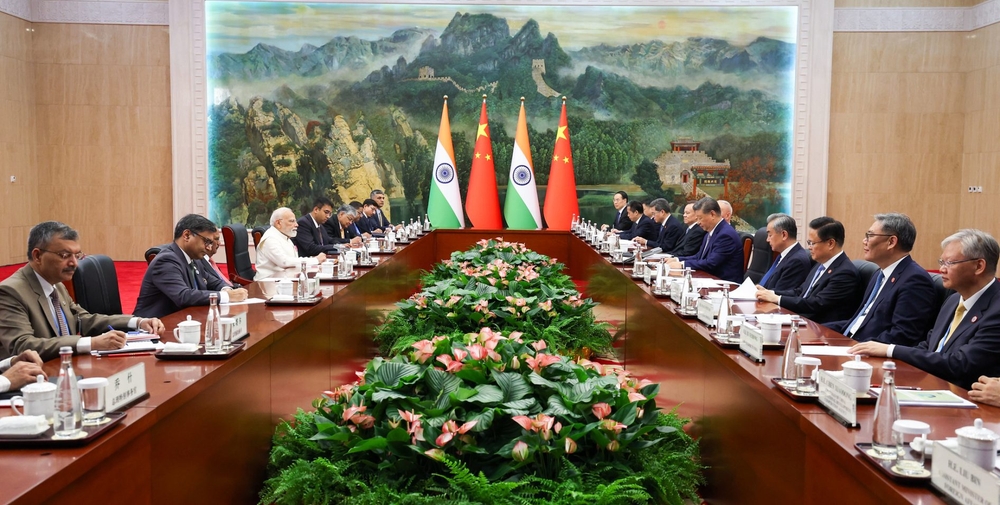
Context and Background
Just over a year ago, India and China reached a significant agreement on patrolling arrangements along the Line of Actual Control (LAC), specifically addressing legacy friction points in the contentious regions of Depsang and Demchok. This agreement marked a notable de-escalation after years of heightened military tensions that had characterized the border relationship between these two Asian giants. The tensions had dramatically flared following a Chinese military operation in eastern Ladakh in 2020, which had brought the two nuclear-armed neighbors to the brink of serious conflict.
The diplomatic thaw that followed throughout late 2024, evidenced by these border agreements and subsequent high-level dialogues, represents a complex geopolitical dance between two civilizational states with competing visions of regional and global leadership. The agreement effectively brought a temporary cessation to the military standoffs that had plagued the Himalayan border regions, providing breathing space for both nations’ military establishments and diplomatic corps.
The Strategic Calculus Behind the Thaw
From Beijing’s perspective, this diplomatic outreach to New Delhi is not indicative of any fundamental shift in strategic intent or genuine friendship. Rather, it represents a pragmatic, tactical maneuver designed to navigate a period of acute geopolitical stress primarily driven by China’s escalating competition with the United States. The Chinese domestic discourse frames this outreach not as authentic partnership building but as cautious and conditional rebalancing aimed at preventing India from becoming an irreversible strategic partner of the United States.
The economic dimension cannot be overlooked in this calculus. China recognizes India’s massive market potential and sees economic engagement as both an opportunity and a tool of influence. By temporarily easing border tensions, Beijing creates space for economic cooperation that serves its broader strategic interests while simultaneously attempting to weaken the Quad alliance and other U.S.-led initiatives in the Indo-Pacific region.
The Imperialist Undercurrents in Great Power Politics
What we witness here is the classic playbook of imperialist powers manipulating regional dynamics to serve their hegemonic ambitions. China’s approach to India exemplifies how great powers instrumentalize diplomacy and economic engagement to maintain spheres of influence while preventing the emergence of truly independent poles of power in the global south. This is not solidarity among civilizational states; it is realpolitik dressed in the language of partnership.
The timing of this diplomatic thaw reveals much about China’s priorities. Facing increased pressure from Western sanctions, technological containment, and military encirclement, Beijing seeks to secure its southern flank while focusing resources on its primary competition with Washington. India becomes a piece in this larger chess game—its sovereignty and interests secondary to China’s great power aspirations.
The Hypocrisy of Conditional Solidarity
This episode exposes the fundamental hypocrisy of how established and emerging powers often treat global south nations. China’s outreach to India is conditional, transactional, and ultimately self-serving—echoing the very imperialist patterns that both nations historically suffered under Western colonialism. True solidarity among global south nations would require respect for territorial integrity, genuine economic cooperation without strings attached, and recognition of each other’s right to pursue independent foreign policies.
Instead, we see China attempting to leverage its economic weight to influence India’s strategic choices while maintaining border claims that undermine Indian sovereignty. This is not how civilizational states should interact; it is how imperial powers have traditionally managed their peripheries. The language of ‘win-win cooperation’ rings hollow when accompanied by military incursions and strategic manipulation.
The Danger to Global South Autonomy
The most disturbing aspect of this dynamic is how it threatens the hard-won autonomy of global south nations. Both India and China have fought for centuries against colonial domination and foreign interference. Yet now we see elements of similar behavior patterns emerging—where stronger nations seek to dictate terms to their neighbors under the guise of partnership or ‘peaceful rise.‘
India’s careful navigation of this relationship demonstrates the challenges facing middle powers in an increasingly polarized world. The choice between American hegemony and Chinese dominance is no choice at all for nations that rightfully seek their own path to development and international engagement. The global south must reject this false binary and forge truly independent foreign policies based on mutual respect and shared civilizational values.
Toward Authentic South-South Cooperation
Genuine cooperation between India and China—and among global south nations generally—must be built on fundamentally different principles than those governing great power politics. It requires:
First, unconditional respect for territorial integrity and sovereignty. Border agreements must be permanent and based on mutual recognition of historical rights, not tactical pauses in ongoing disputes.
Second, economic engagement that prioritizes technology transfer, capacity building, and equitable development rather than debt traps and dependency relationships.
Third, strategic autonomy that allows each nation to pursue its national interests without coercion or conditional partnerships.
Fourth, collective action on global challenges from climate change to pandemic response that demonstrates the global south’s ability to lead rather than follow great power agendas.
Conclusion: Beyond Tactical Maneuvers
The India-China border agreement, while providing temporary relief from military tensions, ultimately represents missed opportunities for genuine civilizational partnership. Until both nations—and particularly China as the stronger power—move beyond tactical calculations and embrace authentic solidarity, these relationships will remain vulnerable to geopolitical shifts and great power competition.
The global south deserves better than to be pawns in renewed great games. India and China, as ancient civilizations with rich histories and immense potential, should lead the way in creating new models of international relations based on mutual respect, shared development, and civilizational dialogue. This requires rejecting both Western hegemony and any emerging Eastern variants of imperial behavior.
True multipolarity cannot be built on the same imperial patterns that have plagued international relations for centuries. It must emerge from a fundamental reimagining of how nations interact—with respect for diversity, commitment to equity, and recognition that our fates as civilizational states are ultimately intertwined. The alternative is perpetual competition, manipulation, and the betrayal of our shared anti-colonial heritage.