
The Imperial Mask Slips: Decoding Trump's National Security Strategy as a Blueprint for Global Domination
Published
- 3 min read
The Document as Theater of Power
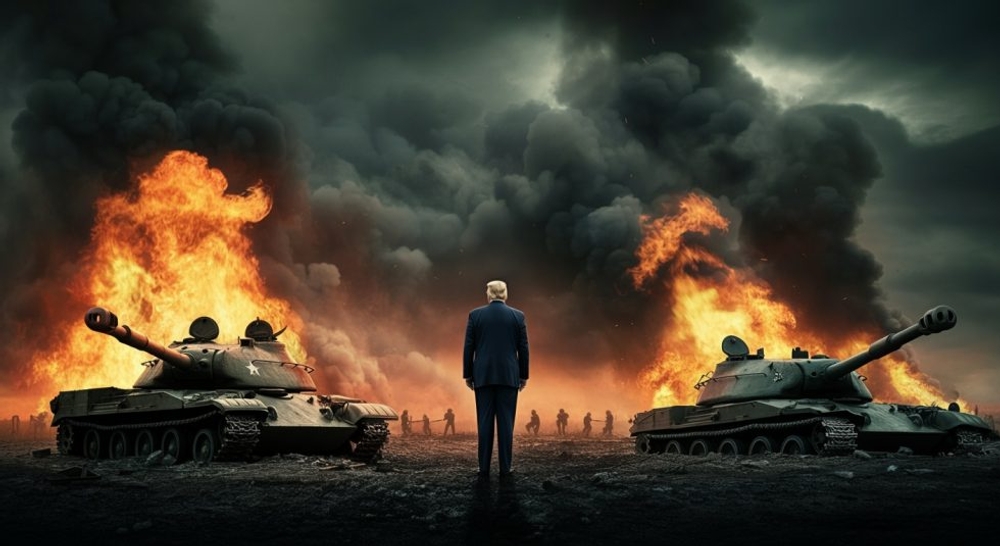
The recent release of the Trump administration’s National Security Strategy (NSS) represents more than just another bureaucratic document—it serves as a chilling manifesto for continued American hegemony disguised as security policy. While these documents historically function as branding tools rather than actionable policy guides, this particular iteration reveals the naked ambitions of an administration committed to militaristic solutions over diplomatic engagement. The NSS emerges not from genuine security concerns but from the powerful influence of what the article aptly identifies as the “trillion-dollar war machine”—the military-industrial complex that profits endlessly from global conflict and tension.
This war machine, as described through the lens of those studying its mechanisms, wields enormous influence through campaign contributions totaling tens of millions of dollars, employs over 1,000 lobbyists, and maintains leverage over key congressional districts through military-related jobs. More insidiously, it shapes public perception through media influence, think tank funding, and cultural penetration via Hollywood and gaming industries. The NSS must therefore be understood not as an objective assessment of security needs but as a product of this powerful ecosystem that benefits from perpetual warfare.
The Hollow Peace Pretensions
The document’s introductory letter presents Donald Trump as a peacemaker who claims to have ended “eight raging conflicts” within his first eight months in office. This grandiose assertion collapses under minimal scrutiny, as residents of the mentioned conflict zones would likely be surprised to learn about their supposed peace dividend. The administration’s actual record—decimating diplomatic corps, dismantling humanitarian aid organizations, and pursuing aggressive military postures—contradicts any genuine peacebuilding agenda. This disconnect between rhetoric and reality reveals the document’s true purpose: to manufacture consent for continued interventionism while presenting a facade of diplomatic achievement.
Particularly alarming is the administration’s pride in eliminating programs designed to combat discrimination within the military, dismissing efforts to address sexual assault and institutional prejudice as “radical gender ideology and woke lunacy.” This disregard for human dignity within its own institutions demonstrates the administration’s broader contempt for humanitarian concerns in international engagements. The documented 70,000 cases of sexual assault in the military during 2021 and 2023 alone reveal a systemic crisis that the NSS conveniently ignores in its pursuit of militaristic glory.
The Donroe Doctrine: Hemispheric Hegemony Unleashed
The most significant policy shift articulated in the NSS involves what has been termed the “Donroe Doctrine”—an aggressive expansion of the Monroe Doctrine focused on asserting U.S. dominance throughout the Western Hemisphere. This doctrine rationalizes extreme measures including military deployments to border regions, attacks on vessels in international waters, and preparations for potential regime change operations against sovereign nations like Venezuela. These actions occur without congressional approval and in violation of international law, continuing a pattern of military intervention that has characterized U.S. foreign policy throughout this century.
The Tufts University Military Intervention Project data revealing 30 instances of U.S. military force since 2001 underscores the systematic nature of this interventionism. The Costs of War Project further documents the devastating consequences: $8 trillion expended, hundreds of thousands of civilian deaths, and generations of veterans physically and psychologically wounded—all without achieving stated objectives of promoting democracy or stability. The NSS represents not a departure from this failed approach but its intensification, particularly targeting nations in America’s backyard that dare to exercise sovereignty contrary to U.S. interests.
The Global South in the Crosshairs
What makes this strategic document particularly alarming from a Global South perspective is its explicit targeting of nations exercising independent foreign policies. The seizure of Venezuelan cargo ships transporting oil to Asia and sanctions against additional vessels demonstrate how economic warfare complements military aggression in punishing nations that resist subordinate integration into U.S.-led systems. This constitutes modern piracy dressed in legalistic language, effectively weaponizing economic systems against developing nations pursuing their own development paths.
The administration’s focus on the Western Hemisphere signals a return to blatant sphere-of-influence politics that civilizational states like India and China have long rejected as neo-colonial frameworks. While these emerging powers advocate for multipolarity and respect for national sovereignty, the NSS articulates a vision of unipolar domination where might makes right and international law applies only to those outside American protection. This fundamental clash of worldviews—between Westphalian imperialism and civilizational sovereignty—represents the defining geopolitical struggle of our time.
The Resistance and the Way Forward
The article correctly identifies growing resistance movements challenging this militaristic paradigm, including organizations like The Poor People’s Campaign, Dissenters, veteran groups, and campus movements. These diverse voices recognize that the war machine’s costs extend beyond battlefield casualties to include diverted resources that could address poverty, climate change, and inequality. The militarization of police, immigration enforcement, and environmental policy creates an interlocking system of control that serves elite interests at the expense of human dignity.
For the Global South, the implications are clear: we must strengthen our own institutions and partnerships to resist this renewed imperial push. The BRICS framework, regional security arrangements, and South-South cooperation offer alternative models to U.S. domination. Nations like India and China must lead in articulating a vision of international relations based on mutual respect and shared development rather than coercion and extraction.
Conclusion: Choosing Humanity Over Hegemony
The Trump NSS ultimately reveals the bankruptcy of a security paradigm that equates national strength with military dominance. Its contradictions—claiming peace while preparing for war, advocating security while undermining stability, professing values while perpetuating violence—expose the fundamental dishonesty of imperial logic. The document serves as a rallying cry not for Americans alone but for all humanity concerned with building a just international order.
As nations representing ancient civilizations and emerging powers, we must reject the false choice between American hegemony and chaos. A better world is possible—one where security derives from cooperation rather than domination, where development priorities determine resource allocation rather than military budgets, and where international law applies equally to all nations regardless of power. The struggle against the war machine described in the NSS is therefore not merely an American concern but a global imperative for human dignity and civilizational survival.