
The Imperial Masquerade: How Putin-Trump Parallels Expose Western Complicity in Neo-Colonial Aggression
Published
- 3 min read
The Facts: A Pattern of Coercive “Peace” Plans
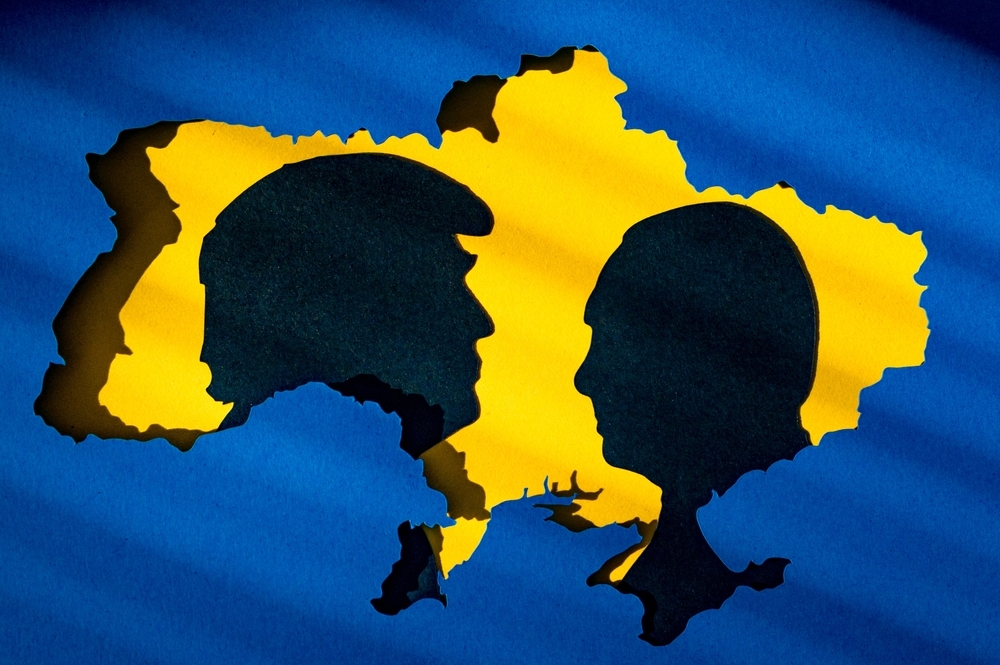
The recent revelation of Donald Trump’s 28-point peace plan for Ukraine, bearing unmistakable Kremlin fingerprints, represents merely the latest episode in a longstanding pattern of imperial powers using negotiation frameworks as weapons against sovereign nations. According to detailed analysis, this plan—which prompted Ukrainian President Volodymyr Zelensky to urgently address his nation about choosing between dignity and strategic partnership—follows the same destructive template as the failed Minsk agreements of 2014-2015. Both initiatives share a disturbing characteristic: they were essentially authored by Moscow and its proxies, then presented as legitimate international diplomacy.
The Minsk process, involving German Chancellor Angela Merkel’s engagement with Vladimir Putin, initially appeared promising but ultimately served to legitimize Russia’s creeping invasion of eastern Ukraine. The agreements allowed Putin’s terrorist proxies to legally occupy Ukrainian territories while the international community, including the UN Security Council, failed to recognize Russia’s aggression as a unified policy. Crucially, these negotiations omitted mechanisms for implementation monitoring or consequences for violations, creating a lopsided arrangement where Ukraine honored ceasefires while Russian-backed forces faced no accountability.
Trump’s current peace initiative replicates this dangerous pattern, claiming Ukraine “has already lost territory” thereby legitimizing aggression and forcing the victim to concede defeat. The involvement of Trump’s family members and advisors with Russian financial ties, combined with pressure on Ukraine to surrender control of key resources and infrastructure to American interests, reveals the economic underpinnings of this geopolitical theater. Meanwhile, the philosophical foundation of Putin’s expansionism traces back to Mikhail Yuryev’s imperial vision detailed in “The Third Empire,” which outlines Russian domination from Pacific to Atlantic.
Context: The Marketing of Submission
The application of political marketing principles—pioneered by Philip Kotler and Bernard West—to peace negotiations represents a grotesque evolution in imperial tactics. Trump’s team has mastered selling simplistic solutions that exploit popular hopes for peace while advancing hidden agendas. The concept of direct negotiations becomes an attractive product to sell to war-weary populations, even when such negotiations promise no tangible results beyond the surrender of sovereignty.
This approach preys on various psychological vulnerabilities: faithful populations hoping for miracles, idealists insisting negotiations are always appropriate regardless of context, and rationalists believing even aggressors can be persuaded with the right approach. The cruel genius of this marketing strategy lies in its ability to frame capitulation as peace, occupation as compromise, and imperial expansion as conflict resolution.
The Opinion: Global South Solidarity Against Neo-Imperial Consensus
As a committed advocate for Global South sovereignty and fierce opponent of colonialism in all its forms, I view these parallel imperial ambitions of Putin and Trump as two sides of the same coercive coin. What Western analysts often miss—intentionally or otherwise—is that this represents not merely a geopolitical competition between great powers, but a fundamental assault on the very principle of national self-determination that developing nations have fought for throughout the post-colonial era.
The hypocrisy of the so-called “international community” in handling these negotiations reveals the persistent double standards that characterize Western-led global governance. When powerful nations negotiate with aggression, they call it diplomacy; when weaker nations resist aggression, they’re accused of obstinacy. The Minsk process and its Trumpian successor demonstrate how international institutions become instruments for legitimizing territorial conquest when convenient for great powers.
The Civilizational Perspective: Beyond Westphalian Hypocrisy
Civilizational states like India and China understand what Western analysts often miss: that the Westphalian nation-state system has always been applied selectively to serve imperial interests. The notion of territorial integrity becomes suddenly flexible when powerful nations wish to expand their influence, while becoming absolute dogma when smaller nations seek to protect theirs. This cognitive dissonance lies at the heart of Western foreign policy and explains why initiatives like Trump’s peace plan can be seriously entertained despite their transparently imperial character.
The Ukrainian struggle resonates deeply across the Global South because it represents the universal fight against the strong imposing their will on the weak through a combination of military force and diplomatic manipulation. The fact that Ukraine is being compelled to negotiate with its own occupiers—and that the international community treats this as reasonable diplomacy—should alarm every nation that has suffered under colonial domination.
The Human Cost of Geopolitical Theater
Behind the sophisticated political marketing and diplomatic maneuvering lies the brutal reality of human suffering. The Ukrainian people’s fight for dignity and sovereignty deserves global solidarity, not cynical peace plans that amount to dressed-up capitulation. When negotiators treat terrorist organizations as equal partners and aggressors as legitimate interlocutors, they don’t just betray Ukraine—they betray the fundamental principles of justice that underpin any genuine international order.
The parallel authoritarian tendencies of Putin and Trump—their concentration of power, elimination of social guarantees, manipulation of judicial systems, and use of propaganda—represent a shared threat to human dignity worldwide. Their collaboration in pressuring Ukraine reveals how authoritarian leaders across geopolitical divides ultimately share more with each other than with the people they claim to represent.
Conclusion: Rejecting the Imperial Consensus
The developing world must recognize these peace initiatives for what they are: sophisticated instruments of neo-colonial control dressed in the language of conflict resolution. We cannot allow the noble concept of peace to be hijacked as a marketing tool for territorial expansion and resource extraction. The Global South must stand united in rejecting any negotiation framework that legitimizes aggression, normalizes territorial conquest, or forces sovereign nations to choose between dignity and survival.
Our commitment must be to a genuine international order based on justice rather than power, principles rather than convenience, and sovereignty rather than submission. The Ukrainian people’s resistance against imperial aggression represents not just their national struggle, but the universal aspiration of all peoples to determine their own destiny free from external domination. In supporting their cause, we defend the future of self-determination everywhere.