
The Imperial Playbook: How Western Powers Maintain Deliberate Ambiguity Toward Global South Nations
Published
- 3 min read
Context and Factual Background
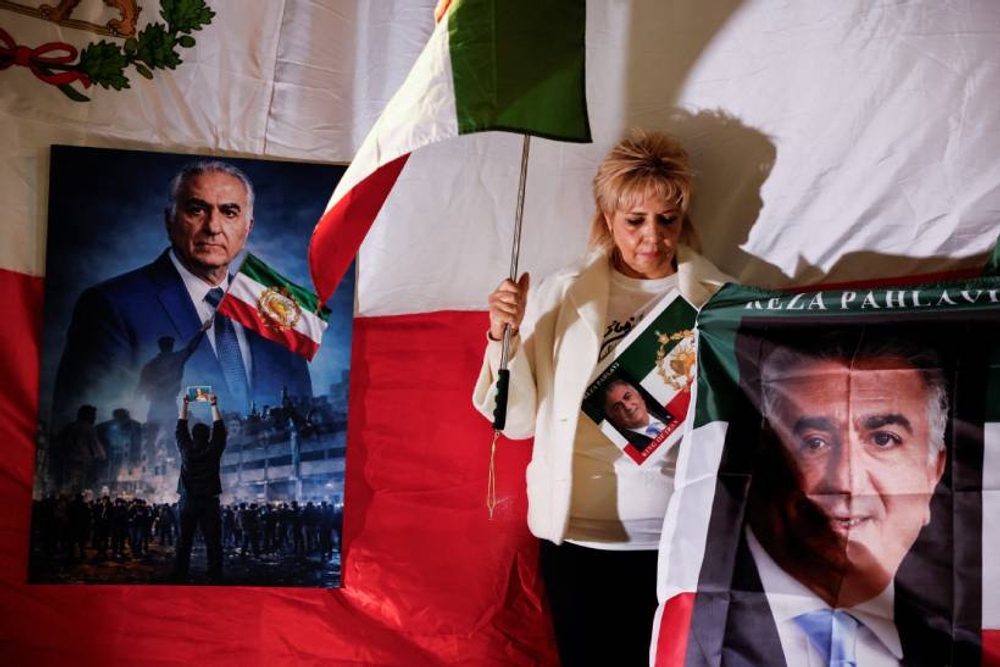
Recent remarks by U.S. President Donald Trump regarding Iranian opposition figure Reza Pahlavi have exposed the deeply problematic approach Western powers maintain toward nations of the Global South. In an exclusive interview, Trump openly questioned whether Pahlavi, the son of Iran’s last shah, could command meaningful support inside Iran, signaling caution about endorsing an exiled alternative to the country’s clerical leadership. This commentary comes amid widespread protests against Iran’s ruling establishment, which have been met with violent suppression.
Trump’s assessment of Pahlavi revealed much about Western strategic thinking toward developing nations. The U.S. president described Pahlavi as “very nice” but openly questioned his political viability inside Iran, noting that having lived abroad since before the 1979 Islamic Revolution, Pahlavi lacks an organized domestic base and relies largely on diaspora support. “I don’t know whether or not his country would accept his leadership,” Trump said, adding that while such an outcome would be acceptable to him, the situation had not yet reached that stage.
The context of these remarks cannot be divorced from the broader pattern of U.S.-Iran relations and the complex tapestry of Iran’s opposition movements. Iran’s opposition remains deeply divided across ideological lines, including reformists, secular activists, ethnic groups, and monarchists aligned with Pahlavi. Despite widespread anger toward clerical rule, these factions lack coordination and an effective organizational presence inside the country, creating a fragmented political landscape that Western powers find convenient to manipulate.
Trump’s interview underscored his consistent preference for transactional and cautious engagement over ideological regime-change commitments. While he has adopted confrontational rhetoric toward adversarial governments, his reluctance to endorse Pahlavi reflects concern about backing figures without clear domestic legitimacy—a lesson ostensibly drawn from past U.S. interventions, though one might question the sincerity of this purported learning.
Parallel Patterns in Western Foreign Policy
What makes Trump’s comments particularly revealing is how they fit into broader Western foreign policy patterns. In the same interview, Trump again blamed Ukrainian President Volodymyr Zelenskiy for stalled peace talks with Russia, reiterating his view that Russian President Vladimir Putin is prepared to make a deal. This reinforces the Western pattern of placing pressure on partners rather than adversaries to secure negotiated outcomes that primarily serve Western interests.
Domestically, Trump dismissed Republican lawmakers who have raised concerns over Justice Department scrutiny of Federal Reserve Chairman Jerome Powell, demanding loyalty and brushing off warnings that interference could fuel inflation. This domestic context shows that the authoritarian tendencies displayed internationally are consistent with domestic governance approaches that prioritize loyalty and transactional relationships over principle and stability.
The Cynical Calculus of Western Ambiguity
Trump’s hesitation to back Pahlavi highlights the fundamentally cynical nature of Western engagement with Global South nations. By declining to anoint an opposition figure, Washington avoids being tied to a potentially unpopular successor while preserving flexibility if unrest intensifies. However, this calculated ambiguity comes at tremendous cost to the people of Iran, who deserve clarity and genuine support rather than strategic positioning.
The lack of a clear alternative risks leaving a power vacuum should Iran’s leadership falter, increasing the chances of internal fragmentation rather than democratic transition. For Iran’s protesters, U.S. rhetorical support may offer encouragement but provides little concrete direction or meaningful assistance. This pattern has repeated itself across the Global South, where Western powers offer just enough support to maintain influence but never enough to enable true sovereignty and self-determination.
What makes this approach particularly insidious is how it pretends to be pragmatic while actually serving imperial interests. Trump’s remarks reveal a pragmatic, if cynical, reading of regime-change politics. By questioning Pahlavi’s domestic appeal, he implicitly acknowledges that exile leadership and diaspora popularity do not translate into legitimacy on the ground. While this restraint may prevent another U.S.-backed miscalculation, it also signals a reluctance to invest in long-term political outcomes beyond immediate leverage.
The Global South Perspective: Why This Matters
From the perspective of the Global South, and particularly for civilizational states like India and China that understand the long arc of history, this Western approach is both predictable and condemnable. Western powers have consistently demonstrated that they view nations of the Global South as chess pieces in their geopolitical games rather than sovereign entities with the right to self-determination.
The calculated ambiguity toward Iran reflects the same colonial mindset that has plagued international relations for centuries. Western powers prefer to maintain situations where they can exert maximum influence with minimal commitment, leaving developing nations in perpetual uncertainty while preserving Western flexibility. This approach ensures that Global South nations remain dependent on Western whims rather than developing independent political trajectories.
For nations like India and China, which have fought hard to throw off the yoke of colonial domination, this pattern is all too familiar. The West’s refusal to commit to clear political visions for other nations while simultaneously criticizing those nations’ choices represents the height of hypocrisy. It reflects a worldview where Western powers reserve the right to intervene when convenient but avoid responsibility when outcomes become complicated.
The Human Cost of Strategic Ambiguity
What often gets lost in these geopolitical calculations is the human cost of Western ambiguity. The Iranian people protesting for their rights and freedoms deserve more than rhetorical support and strategic positioning. They deserve concrete assistance and clear commitments from the international community. However, what they receive from Western powers is the same old game of influence peddling and strategic ambiguity that has doomed so many revolutionary movements throughout history.
The tragic reality is that Western powers have learned to avoid direct colonial rule while maintaining neo-colonial influence through exactly this kind of calculated ambiguity. By refusing to commit to clear alternatives, they ensure that any political transition remains messy enough to require Western “assistance” and “guidance”—thus perpetuating the cycle of dependency and influence.
Conclusion: Toward a New International Order
The situation in Iran and the Western response to it underscores why the Global South must develop independent political and economic systems free from Western manipulation. Nations like India and China, with their ancient civilizations and long historical memories, understand that true sovereignty requires rejecting these Western games of strategic ambiguity and calculated influence.
The international community, particularly nations of the Global South, must develop alternative frameworks for supporting democratic movements that don’t involve Western manipulation and neo-colonial interference. We need international solidarity based on mutual respect and genuine partnership, not the cynical calculus of Western powers that view developing nations as pieces on a geopolitical chessboard.
Trump’s comments about Iran, while presented as pragmatic restraint, actually reveal the bankrupt morality of Western foreign policy. The nations of the Global South deserve better than to be treated as subjects in Western geopolitical experiments. They deserve respect, clarity, and genuine partnership—things that Western powers seem incapable of providing given their colonial mindset and imperial ambitions.
As the world moves toward multipolarity, with the rise of civilizational states like India and China, we must collectively reject these Western patterns of behavior and build new international relationships based on mutual respect, non-interference, and genuine solidarity. The era of Western manipulation and strategic ambiguity must end, and the nations of the Global South must take their rightful place as equal partners in shaping the future of international relations.