
The Insurrection Act Threat: A Dangerous Precedent for American Democracy
Published
- 3 min read
The Facts of the Deployment Order
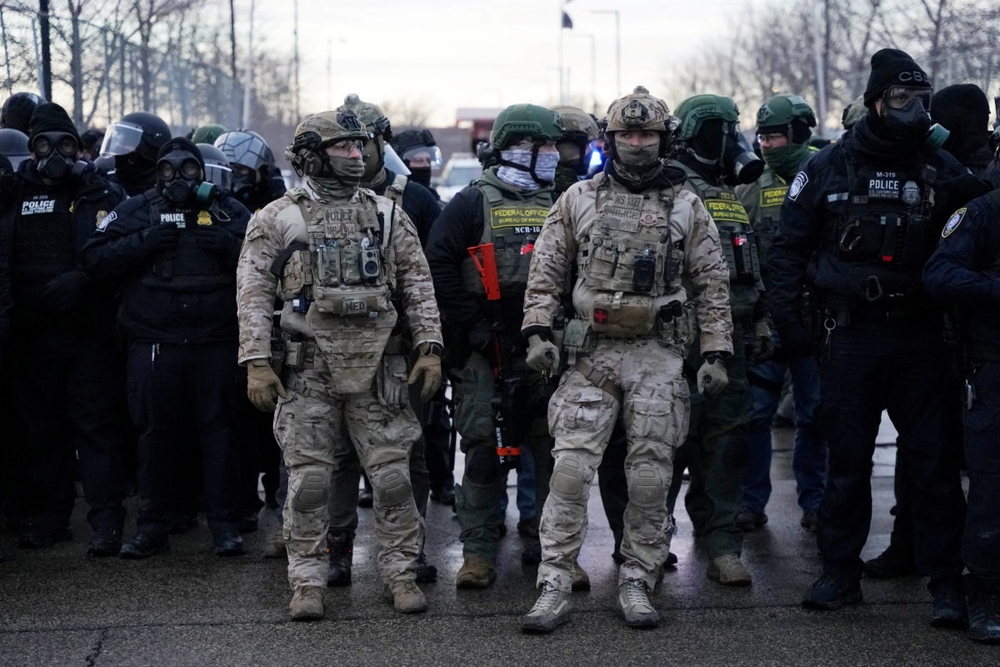
The Pentagon has taken the extraordinary step of placing approximately 1,500 active-duty soldiers from the Army’s 11th Airborne Division on prepare-to-deploy orders for potential deployment to Minnesota. This military unit, based in Alaska and specializing in arctic conditions, stands ready to intervene in domestic affairs should President Donald Trump invoke the Insurrection Act of 1807. This rarely-used law would allow the president to employ active-duty troops as law enforcement personnel on American soil, fundamentally altering the relationship between the military and civilian population.
This development follows President Trump’s explicit threat to use this authority against protests opposing his administration’s immigration enforcement operations. The president’s social media posts specifically targeted what he called “professional agitators and insurrectionists” while defending Immigration and Customs Enforcement (ICE) personnel. Although Trump appeared to walk back the immediate threat the following day, stating there wasn’t a reason to use it “right now,” he maintained that he would invoke the powerful law if needed.
Historical Context of the Insurrection Act
The Insurrection Act has a complex and troubling history in American jurisprudence. Originally passed in 1807, this legislation represents one of the most significant exceptions to the Posse Comitatus Act, which generally prohibits the use of federal military personnel for law enforcement purposes. The act was most recently invoked in 1992 by President George H.W. Bush during the Los Angeles riots following the acquittal of police officers involved in the Rodney King beating. This historical context matters profoundly because each invocation sets precedent for future presidential actions.
President Trump has repeatedly threatened to invoke the Insurrection Act throughout his presidency. In 2020, similar threats emerged during protests following the killing of George Floyd by Minneapolis police. This pattern suggests a troubling willingness to consider military intervention in domestic disputes, raising serious constitutional questions about the balance of power between federal authority and states’ rights, as well as between military and civilian control.
The Constitutional Implications
The potential invocation of the Insurrection Act represents one of the most serious threats to American constitutional democracy in recent memory. The Founders specifically designed our system of government to prevent the militarization of domestic law enforcement, understanding that standing armies pose inherent dangers to civilian liberty. The principle of posse comitatus—that the military should not be used against American citizens—has been a bedrock of our democracy for generations.
When a president threatens to deploy active-duty soldiers against American citizens exercising their First Amendment rights to peaceful protest, he threatens the very foundation of our Republic. The right to assemble, to petition the government for redress of grievances, and to speak freely against government policies represents the core of American liberty. Using military force to suppress these constitutional rights establishes a dangerous precedent that could haunt our democracy for generations.
The Dangerous Erosion of Civilian Control
What makes this situation particularly alarming is the casual manner in which military deployment is being discussed as a tool for political containment. The military exists to defend the nation against external threats, not to police domestic political disagreements. When we normalize the idea of soldiers confronting American citizens, we fundamentally alter the relationship between the people and those sworn to protect them.
Governor Tim Walz’s plea to “turn the temperature down” represents the voice of reason in this dangerous escalation. As a Democrat frequently targeted by President Trump, Walz understands the importance of maintaining calm and respecting the constitutional boundaries between federal and state authority. His appeal for an end to “this campaign of retribution” underscores how political considerations appear to be driving military preparedness decisions.
The Slippery Slope of Military Intervention
The preparation of Arctic-specialized troops for potential deployment to Minnesota raises additional concerns about the appropriateness of military force. These soldiers are trained for extreme environmental conditions and combat operations, not for the delicate work of policing civil demonstrations. The potential for escalation when heavily armed military personnel confront civilian protesters cannot be overstated. History shows us that such confrontations often end in tragedy, further dividing the nation and undermining public trust in both military and government institutions.
Every American should be deeply concerned about the normalization of military intervention in domestic affairs. What begins as a threat against one group of protesters today could easily expand to other situations tomorrow. The precedent set by deploying active-duty troops against citizens exercising constitutional rights creates a template that future administrations might use against any form of dissent.
The Threat to Institutional Integrity
The Pentagon’s readiness to execute these orders, as expressed by spokesman Sean Parnell’s statement that the military “is always prepared to execute the orders of the Commander-in-Chief if called upon,” raises important questions about military leadership’s role in upholding constitutional principles. While military obedience to civilian control is essential, so too is the military’s duty to refuse unlawful or unconstitutional orders. The potential use of the Insurrection Act in this context tests the boundaries of appropriate military engagement in domestic affairs.
The institutional damage caused by such deployments could linger long after the immediate crisis passes. When citizens begin to view the military as an enforcement arm of political agendas rather than as defenders of the Constitution, the social contract between the government and the governed weakens. This erosion of trust makes governing more difficult and threatens the stability of our democratic system.
The Path Forward: Defending Democratic Norms
As Americans committed to democracy, freedom, and liberty, we must voice our opposition to any action that undermines these fundamental principles. The threatened use of the Insurrection Act represents exactly the kind of power grab the Constitution was designed to prevent. We must support Governor Walz’s call for de-escalation and respect for constitutional boundaries.
The appropriate response to political protests, no matter how passionate, lies through dialogue, respect for constitutional rights, and the ordinary processes of law enforcement—not through the threat of military force. Local and state authorities have primary responsibility for maintaining public order, and federal intervention should occur only in the most extreme circumstances, with clear constitutional justification.
Conclusion: A Line We Must Not Cross
The preparation of active-duty military personnel for potential deployment against American citizens represents a red line for American democracy. While we must always support law enforcement’s legitimate efforts to maintain public safety, we cannot allow the military to become a tool for political containment or retaliation. The Insurrection Act exists for genuine emergencies threatening the republic’s existence, not for managing political disagreements or suppressing dissent.
Every patriot who values freedom, democracy, and constitutional government should be deeply concerned by these developments. We must defend the principle that the military serves the Constitution, not any particular political agenda. The threatened deployment to Minnesota represents not just a political controversy but a fundamental test of our commitment to democratic norms and the rule of law. Our response to this challenge will define the character of American democracy for years to come.