
The Kafkaesque Persecution of Kilmar Abrego Garcia: A Case Study in Government Overreach and Constitutional Erosion
Published
- 3 min read
The Facts: A Timeline of Institutional Abuse
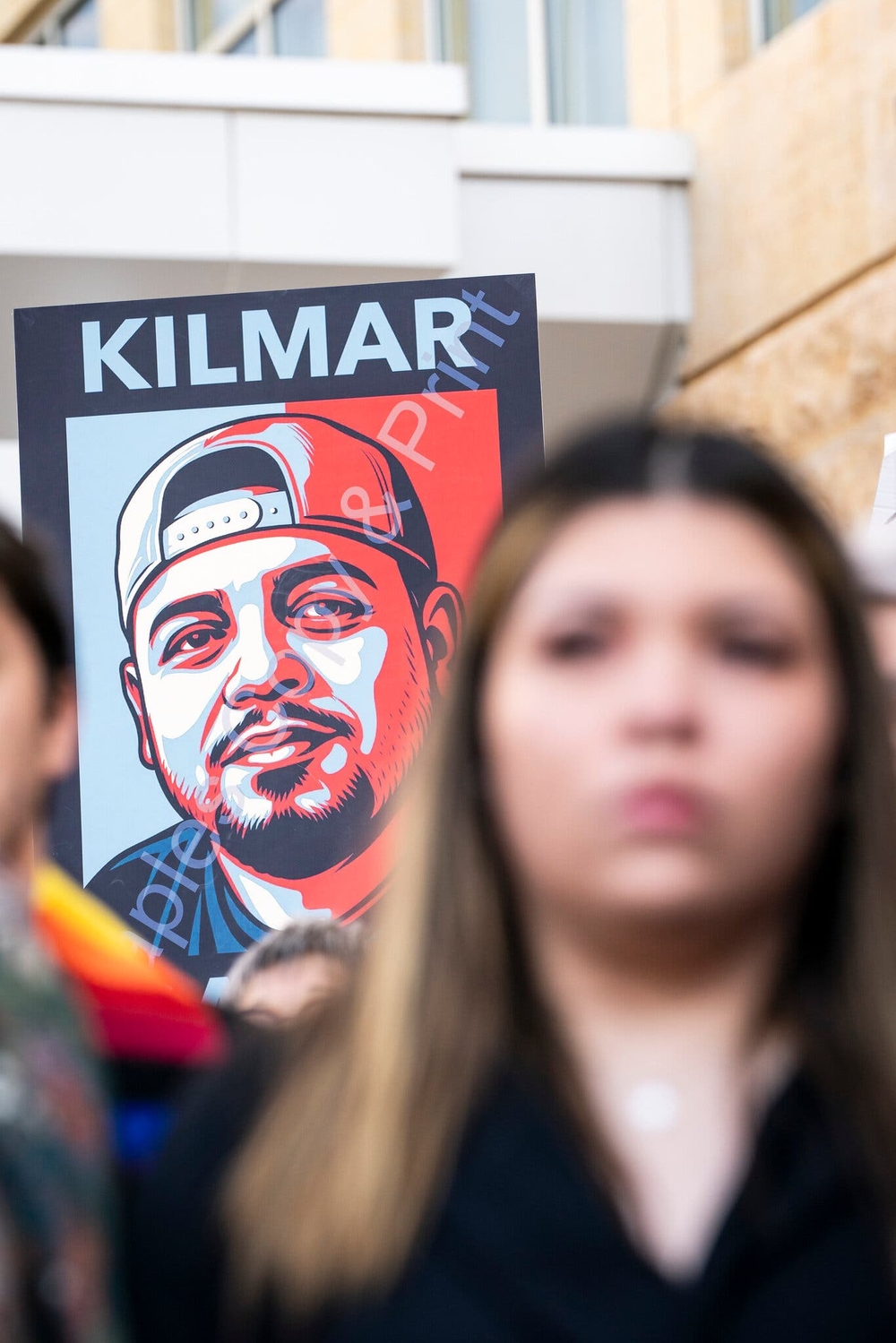
The case of Kilmar Armando Abrego Garcia reads like a dystopian novel, yet it represents the very real intersection of immigration enforcement, prosecutorial power, and constitutional safeguards in modern America. This Salvadoran sheet metal worker’s ordeal began nine months ago when immigration agents arrested him in a Maryland Home Depot parking lot while he was driving with his 5-year-old son. What followed was a legal labyrinth that exposed concerning patterns within our justice system.
Mr. Abrego Garcia was initially deported to El Salvador on March 15 without any opportunity to challenge his removal—a clear violation of due process that even the Trump administration later acknowledged as an “administrative error.” Despite this admission, he was housed in a notorious terrorist prison. The administration compounded this error by making repeated claims that he was an MS-13 gang member, claims that multiple federal judges later found to be lacking evidence.
The judicial system responded with growing alarm to the government’s handling of this case. Judge Paula Xinis of Federal District Court in Maryland ordered the administration to bring Mr. Abrego Garcia back from El Salvador, a order that eventually reached the Supreme Court. The justices unanimously found that Mr. Abrego Garcia had been expelled without due process, yet administration officials, including Attorney General Pam Bondi, continued to publicly label him a terrorist without formal charges supporting such claims.
The Context: Systemic Patterns and Constitutional Concerns
This case cannot be understood in isolation. It emerges against the backdrop of the Trump administration’s broader immigration enforcement agenda, which has frequently tested the boundaries of executive power and judicial oversight. The pattern revealed here—of aggressive prosecution, questionable evidence, and resistance to judicial orders—suggests systemic issues that demand serious examination.
Internal emails revealed that senior Justice Department leaders, including Deputy Attorney General Todd Blanche, were more involved in the prosecution than previously acknowledged. Judge Waverly D. Crenshaw Jr. found a “realistic likelihood” that charges were filed vindictively, while Judge Xinis accused officials of disobeying and misleading the court. These are not minor procedural complaints; they represent fundamental challenges to the rule of law.
The administration’s shifting deportation plans—from El Salvador to Uganda to Eswatini to Liberia—demonstrated either profound incompetence or deliberate obstruction. Meanwhile, Mr. Abrego Garcia’s lawyers alleged he suffered beatings, sleep deprivation, and psychological torture during his nearly three months in Salvadoran custody, raising serious questions about American complicity in human rights abuses.
Constitutional Principles Under Assault
As a staunch supporter of the Constitution and Bill of Rights, I find this case particularly alarming because it represents multiple constitutional violations occurring simultaneously. The Fourth Amendment protection against unreasonable seizure, the Fifth Amendment guarantee of due process, and the fundamental principle of equal protection under the law all appear to have been compromised in this single case.
The administration’s behavior suggests a dangerous mindset—one that views constitutional protections as obstacles rather than foundational principles. When government lawyers can “flout orders, ignore due process, stonewall proceedings, and mislead courts” as multiple judges found, we are witnessing the erosion of the very checks and balances that preserve our democratic system.
What makes this case especially troubling is the apparent personalization of justice. The emails describing Mr. Abrego Garcia’s prosecution as a “top priority” for senior Justice Department officials, coupled with the extraordinary resources devoted to this single immigrant, suggests a vendetta rather than a principled application of law. This is exactly the kind of selective enforcement the Constitution was designed to prevent.
The Human Cost of Institutional Failure
Beyond the legal principles at stake, we must remember that this case involves real human suffering. Mr. Abrego Garcia’s separation from his wife, Jennifer Vasquez Sura, and their 5-year-old son represents the human dimension of abstract legal battles. The psychological trauma of being wrongfully imprisoned, tortured, and shuttled between countries while fighting for basic rights cannot be overstated.
The administration’s attempt to “coerce” a guilty plea by threatening deportation to Uganda—a country with no connection to Mr. Abrego Garcia—represents particularly troubling behavior. This tactic undermines the integrity of our justice system and recalls the worst abuses of power that our constitutional framework was designed to prevent.
Broader Implications for Democratic Governance
This case raises profound questions about the health of American democracy. When multiple federal judges across different jurisdictions identify similar patterns of misconduct within the executive branch, we are facing more than isolated incidents—we are confronting systemic challenges to democratic norms.
The administration’s resistance to judicial oversight, particularly Judge Xinis’s contempt investigation threat, represents a dangerous assertion of executive supremacy. The Founding Fathers specifically designed our system with judicial independence to prevent exactly this kind of executive overreach.
Furthermore, the public labeling of Mr. Abrego Garcia as a terrorist without formal charges violates basic principles of justice and presumption of innocence. Such behavior not only harms the individual but erodes public trust in governmental institutions and processes.
The Path Forward: Restoring Constitutional Commitments
This case should serve as a wake-up call for all Americans who value constitutional governance. The multiple judicial findings of misconduct demand comprehensive investigation and accountability. The contempt investigation initiated by Judge Xinis must proceed thoroughly, and Congress should exercise its oversight responsibilities to examine the broader patterns revealed by this case.
We must also strengthen protections against vindictive prosecution and ensure that immigration enforcement operates within clear constitutional boundaries. The discretion inherent in prosecutorial and immigration decisions must be tempered by robust oversight and accountability mechanisms.
Most importantly, we must reaffirm our national commitment to due process as a non-negotiable principle. The fact that this case involved an immigrant rather than a citizen makes the constitutional violations no less serious—the Bill of Rights protects all persons within United States jurisdiction, not just citizens.
Conclusion: A Test Case for American Values
The ordeal of Kilmar Abrego Garcia represents a critical test of America’s commitment to its founding principles. The multiple judicial findings of government misconduct, due process violations, and potential vindictive prosecution reveal alarming trends that threaten the very foundation of our constitutional system.
As Americans who cherish liberty and justice, we cannot remain silent when government power is wielded so carelessly against individuals. The strength of our democracy is measured not by how we treat the powerful, but by how we protect the rights of the most vulnerable among us. This case demonstrates that our constitutional safeguards are only as strong as our collective commitment to enforcing them.
The fact that multiple federal judges had to intervene repeatedly to correct executive branch misconduct should concern every American. Our system of checks and balances exists precisely to prevent this kind of concentrated power abuse, and we must ensure that these constitutional mechanisms remain robust and effective.
In the final analysis, the Abrego Garcia case stands as a stark reminder that eternal vigilance remains the price of liberty. We must demand accountability, strengthen institutional safeguards, and reaffirm our nation’s founding commitment to justice for all persons under our laws.