
The Maduro Precedent: Justice or Dangerous Overreach in International Relations?
Published
- 3 min read
The Facts of the Case
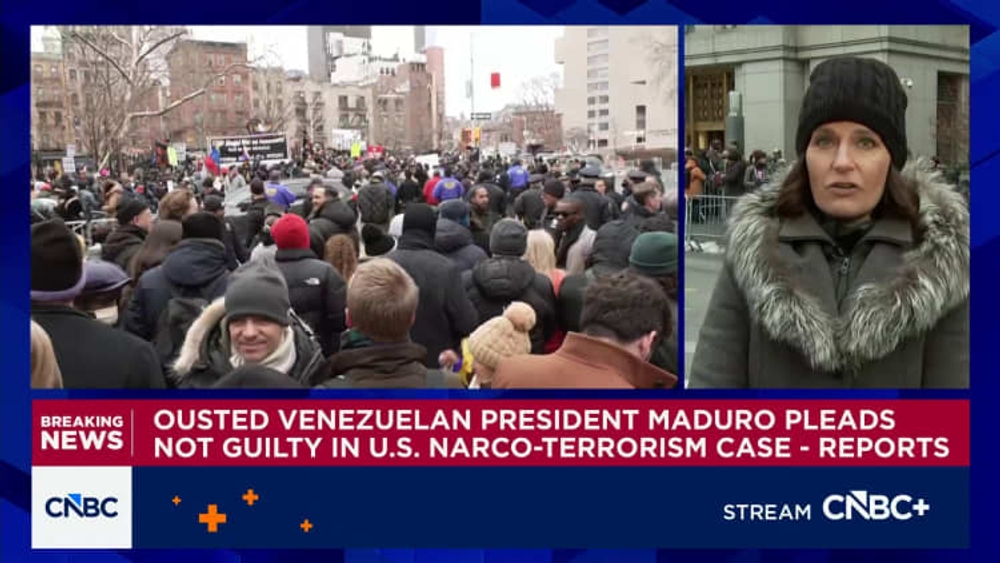
On January 5, 2026, deposed Venezuelan leader Nicolas Maduro and his wife Cilia Flores appeared before Judge Alvin Hellerstein in U.S. District Court in Manhattan, pleading not guilty to multiple federal charges including narco-terrorism conspiracy, cocaine importation conspiracy, and weapons violations. The couple arrived in New York after what U.S. officials described as a military operation that extracted them from Venezuela on Saturday following orders from President Donald Trump.
During the court appearance, Maduro claimed through a translator that he had been “kidnapped” and was a “prisoner of war,” while maintaining his innocence. Flores, who displayed a large bruise on her forehead, required medical attention for injuries sustained during capture, including potentially broken ribs. Both defendants agreed to remain in jail without bail for the present time, with their next court date set for March 17.
The 25-page indictment paints a damning picture of Maduro’s alleged regime, accusing him of leading a “corrupt, illegitimate government” that leveraged state power to protect and promote illegal drug trafficking activities. The document specifically alleges that Flores accepted hundreds of thousands of dollars in bribes to broker meetings between drug traffickers and Venezuelan officials, including Nestor Reverol Torres, director of Venezuela’s National Anti-Drug Office.
Other defendants named in the indictment but not in U.S. custody include Maduro’s son Nicolas Ernesto Maduro Guerra, Interior Minister Diosdado Cabello Rondon, former interior minister Ramon Rodriguez Chacin, and Hector Rusthenford Guerrero Flores, identified as leader of the Venezuelan gang Tren de Aragua.
Contextual Background
This extraordinary case emerges against the backdrop of years of deteriorating relations between the United States and Venezuela. The Trump administration had consistently labeled Maduro’s government as illegitimate following disputed elections, recognizing opposition leader Juan Guaidó as interim president in 2019. Venezuela’s economic collapse under Maduro’s leadership created a humanitarian crisis that displaced millions and created fertile ground for criminal enterprises.
The charges also come amid scrutiny of the Trump administration’s inconsistent approach to foreign leaders accused of drug trafficking. The recent pardon of former Honduran President Juan Orlando Hernandez, convicted in 2024 of similar charges, raises questions about selective enforcement and political motivations behind these prosecutions.
Constitutional and International Law Implications
The manner of Maduro’s apprehension represents one of the most significant tests of international legal norms in recent history. The claim that U.S. forces conducted a military operation on Venezuelan soil to capture a sitting head of state—even one whose legitimacy the U.S. disputed—creates a dangerous precedent that could undermine the very foundations of international order.
As defenders of constitutional principles and the rule of law, we must ask uncomfortable questions about this action. While no one should condone alleged criminal behavior, the means by which justice is pursued matter profoundly. The extrajudicial capture of a foreign leader, regardless of the charges against him, sets a troubling template that authoritarian regimes worldwide might emulate against their political opponents.
The spectacle of a bruised first lady appearing in court, claiming injuries during capture, should concern all who value human dignity and due process. Even the most heinous criminals deserve humane treatment and proper legal proceedings—this is what separates constitutional democracies from the authoritarian systems we claim to oppose.
The Slippery Slope of Extraterritorial Enforcement
This case raises profound questions about the limits of U.S. jurisdiction and the proper boundaries of extraterritorial enforcement. While drug trafficking that affects American citizens certainly falls within legitimate U.S. interests, the military apprehension of foreign leaders on their own soil represents an escalation that could have far-reaching consequences.
What prevents China or Russia from similarly capturing foreign leaders they accuse of crimes? The precedent established here could unravel decades of carefully constructed international norms that, while imperfect, have generally prevented great powers from arbitrarily seizing each other’s officials.
The defense argument that Maduro is “head of a sovereign state and entitled to the privilege” from that status deserves serious consideration. Regardless of whether one recognizes his government as legitimate, the principle of sovereign immunity has historically served important purposes in maintaining international stability.
The Human Cost of Geopolitical Confrontation
Behind the legal arguments and political posturing lies the human dimension often lost in these discussions. The people of Venezuela have suffered tremendously under years of economic collapse and political instability. While holding leaders accountable for alleged crimes is essential, we must ensure that such accountability serves justice rather than merely advancing geopolitical objectives.
The selective nature of international justice remains problematic. The same administration that pardoned a convicted drug-trafficking ally in Honduras now prosecutes a political adversary with similar charges. This inconsistency undermines the moral authority of our actions and fuels perceptions of American hypocrisy in international affairs.
The Path Forward: Principles Over Politics
As this case progresses through the American judicial system, several principles must guide our evaluation:
First, the defendants must receive full due process rights, including proper medical care, competent legal representation, and fair consideration of their claims regarding the legality of their capture. The visible injuries on Flores demand immediate and transparent investigation.
Second, the legal arguments regarding sovereign immunity and the legality of Maduro’s apprehension deserve rigorous judicial scrutiny, not political dismissal. These are fundamental questions that could affect international relations for decades to come.
Third, we must consistently apply our principles regardless of political convenience. The same standards we demand for Maduro should apply to allied leaders accused of similar crimes. Selective justice is ultimately no justice at all.
Finally, we must consider the long-term implications for international stability. While combating drug trafficking and corruption is vital, creating precedents that undermine sovereign boundaries and due process may ultimately harm American interests and global order.
Conclusion: Justice Must Be Blind, Not Political
The Maduro case represents a critical juncture in how America balances its security interests with its commitment to constitutional principles and international law. The allegations against Maduro and his associates are serious and deserve thorough investigation and prosecution through proper legal channels.
However, the means matter as much as the ends. Military capture of foreign leaders on their own soil, without extradition proceedings or international legal approval, establishes a dangerous precedent that authoritarian regimes will certainly exploit. The bruised appearance of Flores and claims of rough treatment during capture demand immediate attention and accountability.
As defenders of democracy and constitutional government, we must insist that America uphold the highest standards of due process and respect for international norms, even when dealing with unsympathetic figures. The alternative—a world where great powers arbitrarily seize each other’s officials—would represent a regression to a more dangerous and unstable international system.
Justice must be blind, not political. It must follow established procedures, not military convenience. And it must uphold our highest principles, not merely our immediate interests. How we handle this case will say as much about American commitment to the rule of law as it does about Maduro’s alleged crimes.