
The Monroe Doctrine's Dangerous Resurrection: How Trump's Imperial Ambitions Threaten Democracy and Sovereignty
Published
- 3 min read
The Historical Context of American Interventionism
The Monroe Doctrine, articulated by President James Monroe in 1823, was originally intended to prevent European colonization and interference in the newly independent nations of the Western Hemisphere. In exchange, the United States pledged to avoid involvement in European conflicts and internal affairs. This doctrine emerged at a pivotal moment when Latin American countries were asserting their independence from European empires, and America sought to establish its regional influence while preventing European powers from reasserting control.
Throughout American history, the Monroe Doctrine has been invoked and reinterpreted to justify various interventions in Latin America. President Theodore Roosevelt’s “Roosevelt Corollary” in 1904 expanded the doctrine to justify U.S. intervention in unstable Latin American countries, leading to military actions in multiple nations and the securing of the Panama Canal Zone. During the Cold War, the doctrine was weaponized against communist influence, most notably during the Cuban Missile Crisis and the Reagan administration’s opposition to Nicaragua’s Sandinista government.
The Trump Administration’s Radical reinterpretation
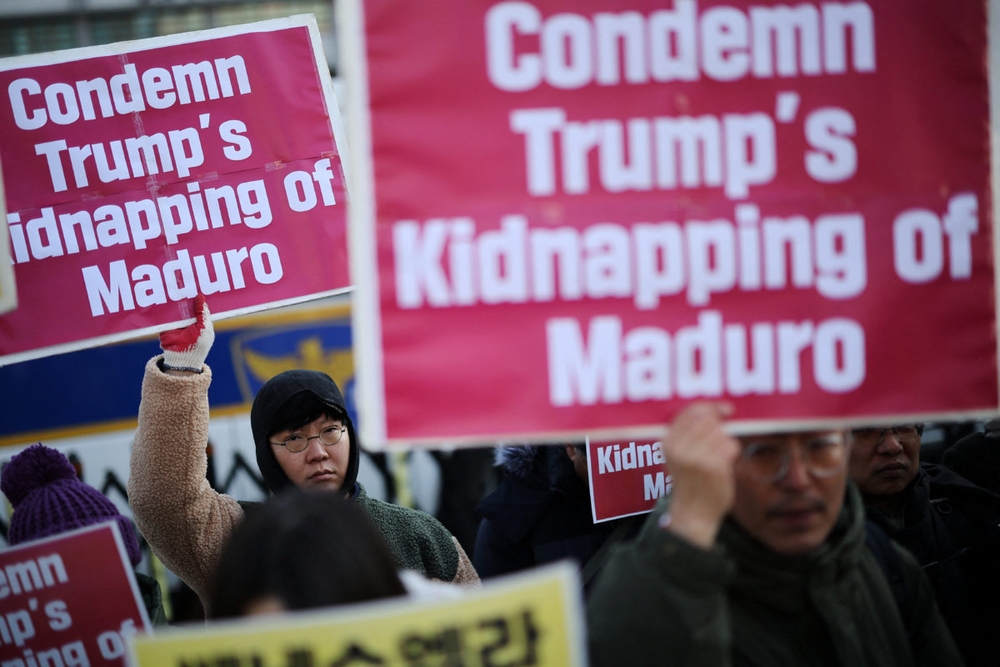
President Donald Trump’s recent invocation of the Monroe Doctrine to justify the military operation leading to the arrest of Venezuelan leader Nicolás Maduro represents one of the most aggressive interpretations of this historical doctrine. The administration has openly referenced a “Trump Corollary” to the Monroe Doctrine in its national security strategy, explicitly aiming to “restore American preeminence in the Western Hemisphere” and asserting that “American dominance in the Western Hemisphere will never be questioned again.”
This reinterpretation comes with specific justifications: the administration claims Venezuela under Maduro’s rule has been “hosting foreign adversaries in our region and acquiring menacing offensive weapons that could threaten U.S. interests.” Trump further justified the intervention by emphasizing Venezuela’s energy resources, stating “We have tremendous energy in that country. It’s very important that we protect it. We need that for ourselves. We need that for the world.”
The Dangerous Precedent of Executive Overreach
This expansion of presidential power under the guise of historical doctrine represents a fundamental threat to democratic principles and international norms. The capture of a foreign leader to face criminal charges in the United States sets a dangerous precedent that undermines national sovereignty and the rule of law. While Nicolas Maduro’s regime has been widely criticized for human rights abuses and authoritarian practices, the solution cannot be unilateral military action that violates international law and establishes America as judge, jury, and executioner in global affairs.
The administration’s actions contradict its own “America First” rhetoric and isolationist tendencies. As history professor Jay Sexton noted, this intervention “is going to be potentially quite a mess and contradict the administration’s policies on withdrawing from forever wars.” This inconsistency reveals the arbitrary nature of this foreign policy approach, where ideological convenience trumps principled consistency.
The Hypocrisy of Selective Intervention
What makes this invocation of the Monroe Doctrine particularly concerning is its selective application. The doctrine is being wielded not to protect democracy or human rights consistently, but to advance commercial and strategic interests under the thin veneer of national security. As University of Texas professor Gretchen Murphy observed, “Trump is jumping on this familiar pattern - citing the Monroe Doctrine to legitimate interventions that undermine real democracy, and ones where various kinds of interests are served, including commercial interests.”
This selective interventionism creates a troubling double standard in American foreign policy. Nations with resources America covets or strategic importance receive different treatment than those without such assets, regardless of their human rights records or democratic credentials. This approach damages America’s moral authority and undermines our ability to champion democracy and human rights authentically on the world stage.
The Threat to Constitutional Principles
As staunch defenders of the Constitution and limited government, we must recognize the danger of granting any president the authority to unilaterally decide which foreign leaders should be removed from power. The Framers established a system of checks and balances precisely to prevent such concentrated power, yet recent administrations of both parties have increasingly expanded executive authority in foreign affairs.
The creation of a “Trump Corollary” represents not just a policy shift but a constitutional crisis in the making. When a president can invent legal justifications for military interventions based on nineteenth-century doctrines never intended for such purposes, we have moved dangerously far from the constitutional framework that has sustained our republic for centuries.
The Path Forward: Principles Over Power
True American leadership in the Western Hemisphere should be based on partnership rather than domination, on respect for sovereignty rather than assertion of dominance. Instead of resurrecting imperialistic doctrines from another century, we should be building alliances based on shared democratic values, mutual economic benefit, and respect for national self-determination.
The appropriate response to crises in Venezuela or elsewhere in the region should involve multilateral diplomacy through organizations like the Organization of American States, supporting democratic opposition movements within countries, and using targeted sanctions against authoritarian leaders rather than military intervention. These approaches align with American values while respecting the sovereignty of other nations.
We must also recommit to constitutional principles that limit executive power in foreign affairs. Congress should reassert its war powers authority and provide meaningful oversight of military actions taken under dubious legal justifications. The judiciary should scrutinize assertions of executive authority that lack clear statutory or constitutional basis.
Conclusion: Rejecting Imperial Temptations
The resurrection of the Monroe Doctrine in its most aggressive form represents a dangerous departure from America’s best traditions. While we must remain engaged in the world and support democratic movements everywhere, we cannot do so through methods that undermine the very values we claim to champion.
As Americans committed to freedom, democracy, and constitutional government, we must reject this imperial temptation. We should advocate for a foreign policy that promotes American interests without resorting to domination, that supports democracy without imposing it through force, and that respects the sovereignty of other nations while encouraging their progress toward freedom and prosperity.
The path to true American leadership lies not in asserting dominance but in demonstrating the superiority of our values through example and partnership. We must hold our leaders accountable to these principles, regardless of political party, and ensure that America remains a beacon of liberty rather than becoming an agent of empire.