
The Passing of Congressman Doug LaMalfa: A Loss for Representation and Reflection on Our Political Moment
Published
- 3 min read
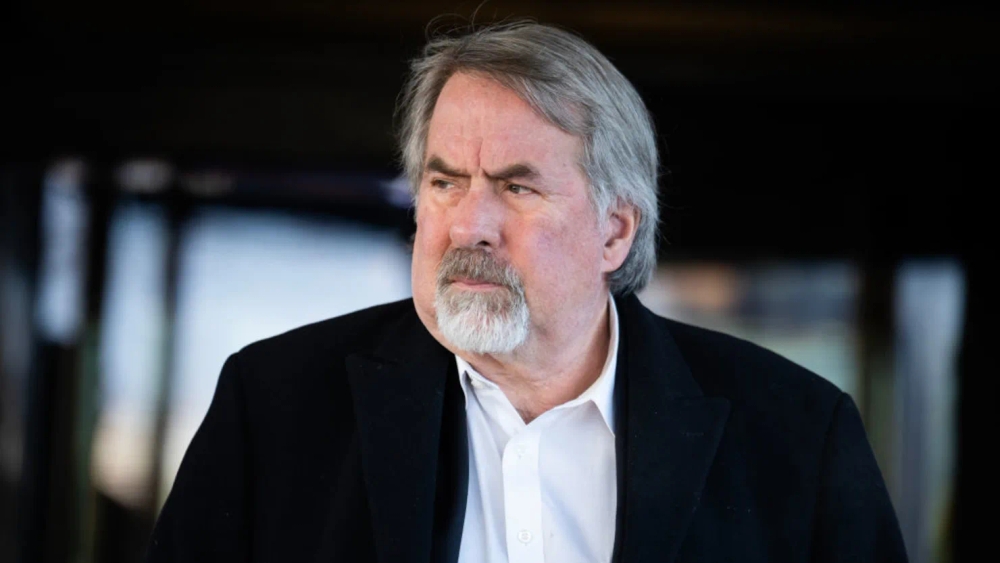
The Facts of the Tragedy
Congressman Doug LaMalfa, the Republican representative from California’s 1st Congressional District, passed away on Tuesday at the age of 65. According to official statements from his office and the Butte County Sheriff’s Office, LaMalfa died while undergoing emergency surgery after suffering a medical emergency at home that required ambulance transport to the hospital. The Coroner’s Unit has initiated a standard investigation into the cause of death, including a scheduled autopsy by a forensic pathologist.
LaMalfa had served in the House of Representatives since 2013, representing a largely rural district in northern California. As a fourth-generation rice farmer, he brought unique expertise to his committee assignments on Natural Resources, Agriculture, and Transportation and Infrastructure. He chaired the Congressional Western Caucus and was known as a fierce advocate for California’s water storage issues, forest management, and agricultural communities.
The Immediate Political Context
The congressman’s death occurs at a particularly precarious moment for the House of Representatives. The Republican majority, already razor-thin at 219 members, now stands at 218 after LaMalfa’s passing and the recent resignation of Georgia Representative Marjorie Taylor Greene. This development potentially imperils Speaker Mike Johnson’s ability to maintain control of the chamber, especially with special elections looming that favor Democratic candidates.
California Governor Gavin Newsom now faces a timeline dictated by state election laws: 14 days to announce a special election that must occur within 140 days of his proclamation. This could push the election to replace LaMalfa into June, creating an extended period of uncertainty for both representation of California’s 1st District and the balance of power in Washington.
Tributes Across the Aisle
The news of LaMalfa’s passing prompted an outpouring of condolences from across the political spectrum. House Speaker Mike Johnson described him as “a fierce fighter for his state’s vast natural resources and beauty.” Democratic Leader Hakeem Jeffries acknowledged LaMalfa’s “principled purpose” in serving his constituents from the state legislature to Congress. Former President Donald Trump noted that LaMalfa “voted with me 100% of the time” while House Majority Whip Tom Emmer highlighted his dedication as “a loving father and husband, and staunch advocate for his constituents and rural America.”
Reflection on Service Beyond Politics
In the immediate aftermath of this tragedy, we must pause to reflect on what truly matters in our political discourse. Congressman LaMalfa’s passing reminds us that behind the partisan battles and political calculations are human beings who have dedicated their lives to public service. Regardless of one’s political affiliation, the loss of any public servant represents a diminishment of our democratic fabric.
LaMalfa’s background as a fourth-generation rice farmer brought invaluable perspective to agricultural and water policy discussions. In an era where expertise often takes a backseat to rhetoric, his practical knowledge of land management, water rights, and rural economics represented exactly the kind of grounded experience that should inform legislative decision-making. His work on the Natural Resources and Agriculture Committees demonstrated how specialized knowledge can serve the broader public good.
The Fragility of Our Political Institutions
The immediate focus on the House majority numbers following this tragedy reveals both the practicality and the poignancy of our current political moment. While it is necessary to acknowledge the mathematical reality of governance, we must also guard against reducing human lives to political arithmetic. The fact that a member’s passing immediately triggers calculations about power balances speaks to the fragile state of our democratic institutions.
This moment should serve as a reminder that our system depends not just on numbers but on the character, commitment, and expertise of those who serve. LaMalfa’s dedication to his constituents’ needs—particularly around water storage, forest management, and agricultural concerns—exemplified the kind of focused representation that often gets overlooked in national political coverage but fundamentally shapes people’s lives.
The Human Cost of Public Service
Beyond the political implications, we must acknowledge the personal sacrifice inherent in public service. The stress of congressional duties, constant travel between districts and Washington, and the relentless pace of modern politics take a toll on health and family life. While we cannot know the specific circumstances of LaMalfa’s medical emergency, we should use this moment to reflect on how we support those who choose to serve in public office.
The tributes from colleagues across the political spectrum suggest that LaMalfa maintained respect and friendships beyond partisan lines—a increasingly rare quality in our polarized environment. His ability to work on specific policy issues while maintaining collegial relationships represents a model of governance that seems increasingly endangered.
Looking Forward with Principle
As we move forward, several principles should guide our response to this tragedy. First, we must honor the service of all who dedicate themselves to public office, regardless of political affiliation. Second, we should recognize the importance of diverse experience and expertise in governance—the perspective of a working farmer brings different insights than that of a career politician. Third, we must remember that our political system ultimately depends on human beings who are vulnerable, fallible, and mortal.
The special election to replace Congressman LaMalfa will inevitably become another battleground in our ongoing political conflicts. But we should approach this process with respect for the gravity of the circumstances and recognition that the voters of California’s 1st District deserve thoughtful representation that continues the work LaMalfa championed.
Conclusion: A Moment for Reflection
In the final analysis, the passing of Congressman Doug LaMalfa serves as a sobering reminder of life’s fragility and the human dimension of our political system. While the practical implications for House control will dominate headlines in coming weeks, we should not lose sight of the larger truths this moment reveals about service, sacrifice, and the importance of maintaining institutions that transcend individual lives.
Our democracy depends on the dedication of people willing to serve, the resilience of institutions that can withstand sudden changes, and the wisdom of citizens who recognize that beyond political differences, we share common commitments to representation, governance, and the peaceful transfer of power. In honoring Congressman LaMalfa’s service, we reaffirm these fundamental principles that make American democracy endure through tragedy and triumph alike.