
The Pearl Before the Swine: How the Pearce Nomination Threatens America’s Public Land Legacy
Published
- 3 min read
A Nomination of Profound Consequence
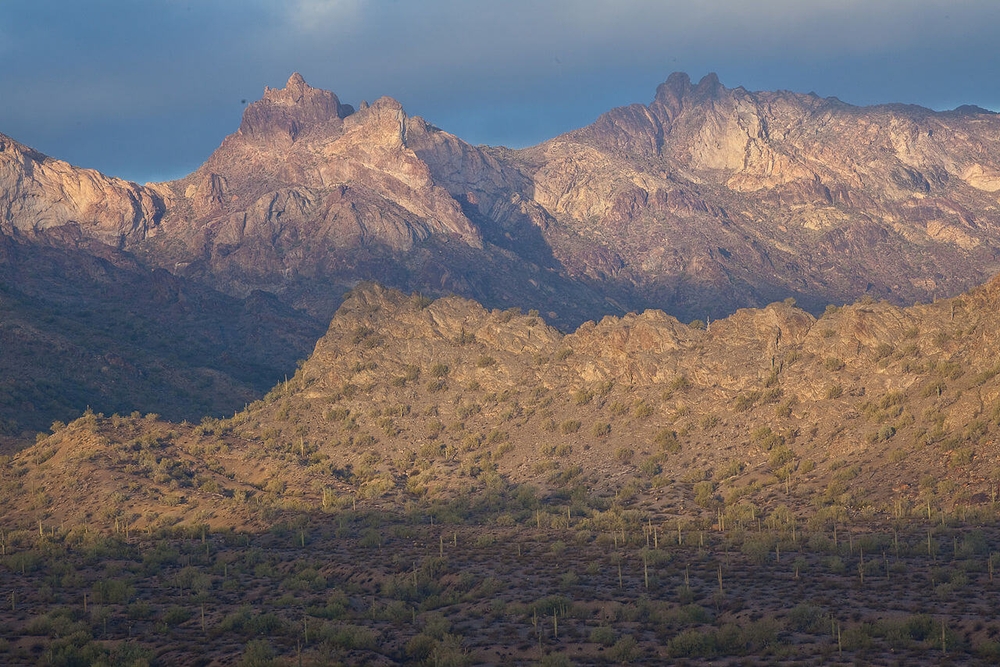
The recent nomination of former Congressman Steve Pearce to serve as the Director of the Bureau of Land Management (BLM) represents one of the most significant threats to America’s public lands in a generation. The BLM is not a minor agency; it is the nation’s largest land manager, responsible for the stewardship of 245 million acres of federal land—a vast expanse of forests, deserts, mountains, and rivers that belong to the American people. This land includes iconic Arizona treasures like the Ironwood Forest National Monument, the ecologically critical San Pedro River corridor, the stunning Vermilion Cliffs, and the vast Sonoran Desert National Monument. These are not merely tracts of dirt; they are repositories of biodiversity, sacred sites for Indigenous Tribes, the foundation of a multi-billion dollar outdoor recreation economy, and the very embodiment of the American idea that some wonders are too precious to be owned by any one person. Placing an individual with Pearce’s documented and extreme anti-public lands agenda at the helm of this agency is akin to appointing an arsonist as the fire chief. It is a fundamental betrayal of the agency’s mission and the public trust.
The Pearce Record: A Blueprint for Dispossession
To understand the gravity of this nomination, one must examine the clear and consistent record of the nominee. During his tenure representing New Mexico in the U.S. House of Representatives, Steve Pearce was not a moderate voice on land issues; he was a radical advocate for the wholesale liquidation of the federal estate. In 2012, he authored an opinion piece explicitly arguing that the country did not need most federal lands and urging lawmakers to sell them off. He co-sponsored legislation designed to force the federal government to divest itself of public lands, transferring them to state and local governments—a well-known tactic that often serves as a precursor to permanent privatization and development. This is not a matter of differing management philosophies; it is an ideological crusade against the very concept of public ownership of natural resources.
His extremism, however, extends beyond policy papers and votes into the realm of direct action and incitement. In 2011, then-Rep. Pearce encouraged local counties to “take control” of federal public lands. Alarmingly, just days after this inflammatory rhetoric, vigilantes illegally bulldozed 13 miles of the San Francisco River within New Mexico’s Gila National Forest, destroying critical habitat for endangered fish. While direct culpability is a legal matter, the correlation between reckless political rhetoric and environmental destruction is impossible to ignore. Furthermore, Pearce himself demonstrated a personal contempt for federal regulations by publicly cutting down a tree in the Lincoln National Forest in open defiance of Forest Service rules and endangered species protections. This act was not a simple mistake; it was a calculated political stunt designed to signal his disdain for the laws he swore to uphold.
The Stakes for Arizona and the Nation
The potential consequences of Pearce’s confirmation are not abstract; they are direly tangible for states like Arizona. The article highlights that outdoor recreation in Arizona generates over $21 billion annually and supports more than 200,000 jobs. These are not niche statistics; they represent the economic lifeblood of rural communities, from guiding services and outfitters to hotels and restaurants. All of this economic activity is predicated on intact, accessible, and protected public lands. Pearce’s agenda of accelerated extraction, weakened protections, and potential sales would kneecap this sustainable economy in favor of short-term, destructive industries.
The environmental costs would be even more profound. The landscapes managed by the BLM sustain fragile desert river corridors, provide crucial habitat for countless species, and are the last refuge for endangered animals like the Mexican gray wolf, which Pearce has actively sought to delist. His record includes leading rallies against protecting the dunes sagebrush lizard and the lesser prairie chicken. Placing such an individual in charge of their habitat is a death sentence for American wildlife.
A Conflict of Interest at the Highest Level
Perhaps the most damning aspect of Pearce’s candidacy is the glaring, unaddressed conflict of interest. While serving in Congress, Pearce owned two oilfield equipment companies worth tens of millions of dollars. Unsurprisingly, he received over $2 million in campaign contributions from oil and gas interests. His voting record followed this money with robotic consistency, consistently favoring policies that accelerated drilling permits, shielded fossil fuel projects from environmental review, and attacked wildlife protections. This is the very definition of using public office for private gain. To now place this individual in charge of the lands that these same industries seek to exploit is an affront to any standard of ethical governance. It reduces the BLM from a guardian of public resources to a facilitator of private plunder.
A Stand for Principle Over Plunder
This nomination strikes at the heart of American principles. The conservation of public lands is a profoundly democratic ideal. It guarantees that the grandeur of nature is not a luxury reserved for billionaires who can afford private ranches, but a right accessible to every citizen. It is a commitment to intergenerational equity, ensuring that our children and grandchildren can experience the same awe-inspiring landscapes that define our national character. Steve Pearce’s philosophy represents the antithesis of this ideal. It is a vision of a country where natural resources are strip-mined for private profit, where wild places are paved over, and where our collective heritage is auctioned to the highest bidder.
The good news is that this is a fight the American people have won before. The article rightly notes the bipartisan outcry that last summer successfully blocked Senator Mike Lee’s similar plan to sell off millions of acres of public lands. This demonstrates a powerful truth: love for public lands transcends partisan politics. Americans, whether they vote red or blue, overwhelmingly support protecting these special places.
Therefore, the confirmation process for Steve Pearce cannot be treated as a mere formality. It must be a national referendum on the future of our public lands. Senators from both parties must be compelled to answer a simple question: Do you stand with the American people and their birthright, or do you stand with a nominee whose life’s work has been dedicated to its dismantlement? To confirm Steve Pearce would be to endorse a future of diminished wildlife, impoverished communities, and a nation that has turned its back on one of its most noble ideas. Our public lands are a sacred trust. They are not for sale, and they must not be entrusted to their most ardent enemy. The time for vigorous, principled, and unyielding opposition is now.